



Diabetes
Latest News
Advertisement
Latest Videos







Shorts
2:14
The Importance of NEIAP to Ambulatory Pharmacy
2 days ago
by
Jennifer Goldman, PharmD, RPh, CDCES, BC-ADM, FCCP(+2 more)

0:45
4 Risk Factors That Should Trigger MASLD Screening
a month ago
by
Susan Cornell, PharmD, CDCES, FAPhA, FADCES(+1 more)
0:54
Why GLP-1 Drugs Aren't a Magic Pill for Weight Loss
a month ago
by
Susan Cornell, PharmD, CDCES, FAPhA, FADCES(+1 more)

1:32
Once-Weekly Insulin Icodec Approved for Type 2 Diabetes
3 months ago
by
Saro Arakelians, PharmD(+1 more)

1:16
Saro's Scripts: SGLT2 Inhibitors
5 months ago
by
Saro Arakelians, PharmD
1:01
What Teplizumab's FDA Approval Means for Pharmacists
5 months ago
by
Luke Halpern, Associate Editor

1:24
Saro's Scripts: Insulin Icodec Offers a New Long-Acting Basal Insulin Option
5 months ago
by
Saro Arakelians, PharmD

0:46
Top Story of the Week: Orforglipron Outperforms Oral Semaglutide
6 months ago
by
Luke Halpern, Associate Editor

0:32
Diabetes Prevention Can Extend Lifespan, Reduce Carbon Footprints
7 months ago
by
Niels Lund, MSc, MBA(+1 more)

0:37
Why Type 1 Diabetes Screening is Crucial
10 months ago
by
Shara Bialo, MD(+1 more)
Podcasts


































































































Advertisement
More News

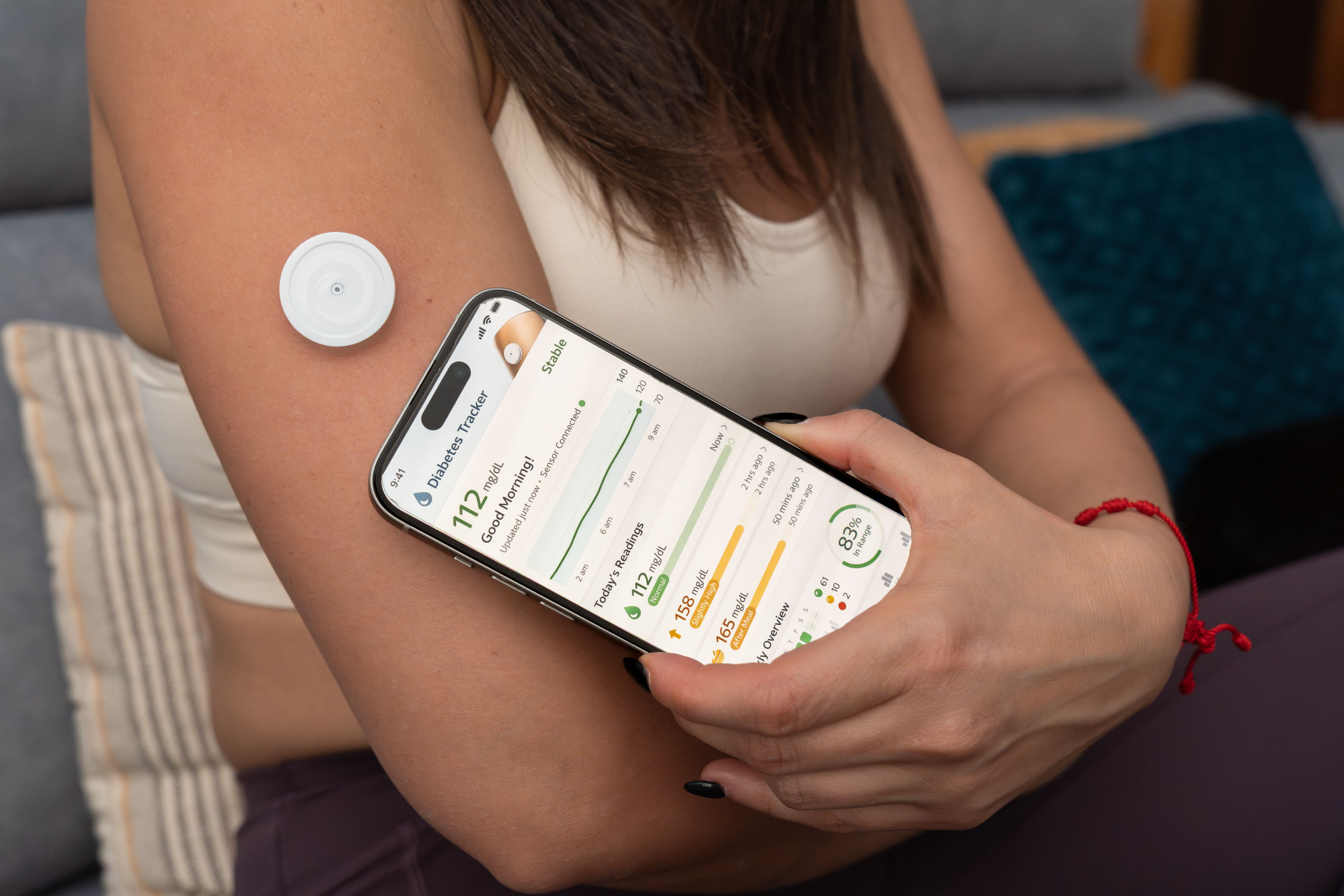
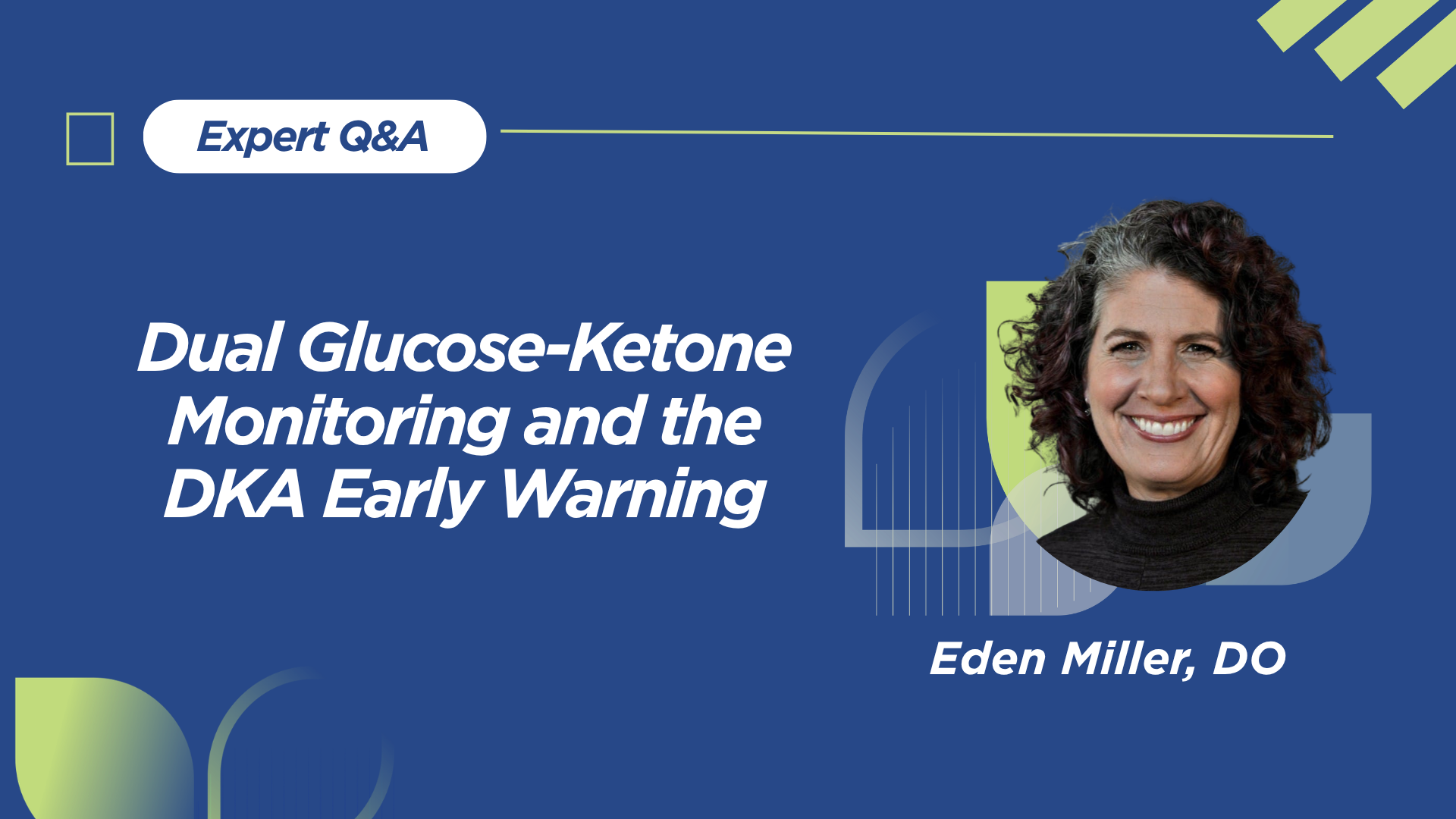
FDA Clears First Continuous Glucose-Ketone Monitor
Published: | Updated:
Abbott's Libre Duo 10 Day tracks both glucose and ketones to flag rising DKA risk in people with diabetes 2 years and older.

Susan Cornell, PharmD, CDCES, FAPhA, FADCES, explains how pharmacists can spot metabolic dysfunction-associated steatotic liver disease (MASLD) risk, weigh GLP-1 and MASH therapies, and pair medication with lifestyle change.

What began as a question about duplicative therapy ultimately led to a patient-specific intervention, the development of a tool for communicating recommendations, and a resource now available to pharmacists.

New data link T2DM and prediabetes to more numerous, more severe symptoms, especially postmenopause.

Modeling in Canada suggests price drops of up to 70% could make dual glucagon-like peptide-1 (GLP-1) RA/SGLT2 inhibitor therapy the preferred strategy for high-risk patients with type 2 diabetes (T2D).

Pharmacists can guide patients in verifying sources, identifying licensed pharmacies, and understanding compounded vs FDA-approved products.

A randomized trial found that medically tailored groceries cut hemoglobin A1C by 0.40 points and sharply improved food security in adults with type 2 diabetes.

Preclinical data show a GLP-1 receptor agonist reprogrammed lung macrophages and prevented post-COVID pulmonary fibrosis in diabetic mice.

A global trial found the long-acting analogue reduced severe hypoglycemia and nighttime lows in youth with type 1 diabetes by 12 months, not 6.
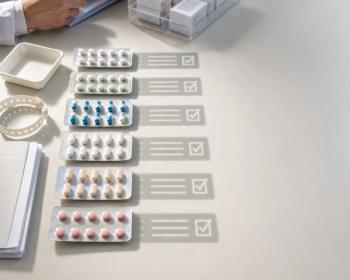
Pharmacist-driven discharge medication reconciliation services identifies clinical interventions and may contribute to a decreased 30-day readmission rate.

New real-world data suggest pharmacists may have an expanding role in prioritizing GLP-1 therapy for patients managing both conditions.
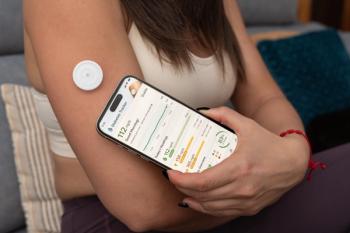
Study authors suggest diabetic guidelines should consider standardized reporting of CGM metrics in studies employing CGM-based interventions.

Jennifer Goldman, PharmD, RPh, CDCES, BC-ADM, FCCP, shares the history and mission of NEIAP and explains how the organization provides practical education and networking opportunities.

In addition to explaining how NEIAP has evolved over time, Katelyn O'Brien, PharmD, BCPS, CDCES, BC-ADM, previews key topics at the upcoming September meeting.

Findings from a multicenter cohort study suggest glucagon-like peptide-1 (GLP-1) receptor agonist therapy may be associated with an elevated risk of sensory disturbances.

Phase 3 REIMAGINE data presented at ADA 2026 show the amylin–GLP-1 combination bests semaglutide monotherapy across type 2 diabetes stages, with implications for pharmacist-managed diabetes care.
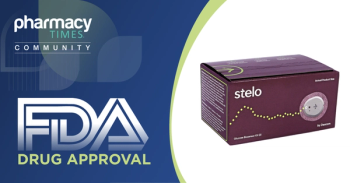
The integrated CGM is now indicated for individuals 2 years and older who do not use insulin.

FDA Approves Teplizumab-mzwv for Children With Newly Diagnosed Stage 3 Type 1 Diabetes
Published: | Updated:
Approval of teplizumab-mzwv in patients aged 8 to 17 years makes it the first disease-modifying therapy for children newly diagnosed with stage 3 type 1 diabetes.

From prior authorization barriers to population health gaps, Cheeley explains why adherence — not initiation — is where pharmacists can make their biggest impact.
Pharmacy Times interviews Tracey Taveira, Pharm.D., CDOE, CVDOE, on the key challenges she discovered in optimizing cardio-renal risk in diabetes that she presented in ADA 2026.
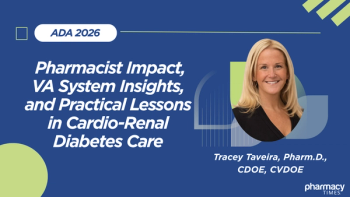
ADA 2026: Pharmacist Impact, VA System Insights, and Practical Lessons in Cardio-Renal Diabetes Care
Pharmacy Times interviews Tracey Taveira, Pharm.D., CDOE, CVDOE, to discuss pharmacist impact, VA system insights and practical lessons in cardio-renal diabetes care that she discussed in her presentation at ADA 2026.
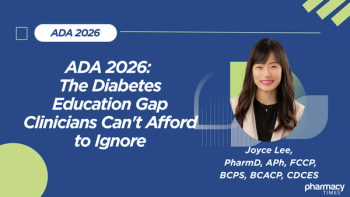
Pharmacy Times speaks with Joyce Lee, PharmD, APh, FCCP, BCPS, BCACP, CDCES, to breakdown the diabetes education gap that clinicians can't afford to ignore.

First-Ever Guideline on Cardio-Kidney-Metabolic Syndrome Calls for Earlier Screening, Coordinated Care
Published: | Updated:
A landmark joint guideline on cardiovascular-kidney-metabolic syndrome offers clinicians a comprehensive, stage-based road map for screening, prevention, and treatment of an increasingly prevalent interconnected condition.

Disparities in education access and quality, income level, and race and ethnicity are SDoH that make a major impact on diabetes and its management in the US.

Afrezza is the only ultra rapid-acting inhaled insulin approved by the FDA to improve glycemic control in children, adolescent, and adult patients with diabetes.
Advertisement
Advertisement
Trending on Pharmacy Times
1
Beyond Cost Avoidance: Advancing Unit-Level Pharmaceutical Economics in Health Systems
2
Pharmacist Care Gets BP Patients to Goal Faster, Safer
3
Higher Pulmonary Microplastic Burden Observed in Patients With Lung Cancer
4
Adult Pneumococcal Immunizations: A Practical Guide for Pharmacists
5