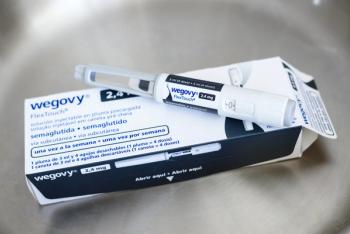
Phase 2b data from EASD 2026 show the amylin-incretin combination also cut HbA1C by up to 2.9% in adults with obesity or overweight and type 2 diabetes.
In addition to the upcoming Annual Forum in September, New England Institute of Ambulatory Care Pharmacists (NEIAP) provides practical education and networking opportunities to support ambulatory care pharmacists.
Jennifer Goldman, PharmD, CDCES, BC‑ADM, FCCP, professor of pharmacy practice at Massachusetts College of Pharmacy and clinical pharmacist at Well Life, describes NEIAP's educational programming as designed for immediate, practical application—giving pharmacists tools they can bring straight back to their practices and teaching. She notes that many NEIAP members work in collaborative practices across various health systems, managing complex patients with conditions like obesity, lipid disorders, and diabetes, and that staying current on technology and treatment approaches directly impacts patient outcomes. Just as important as the education, she says, is the relationship-building NEIAP fosters, especially for pharmacists who may be the only 1 or 2 ambulatory care specialists within their health system and would otherwise lack a professional network to consult.
Goldman reflects on the distinct challenges of ambulatory care pharmacy, a field she's practiced in for over 30 years and watched grow substantially, particularly in New England. She emphasizes that NEIAP creates space for pharmacists to connect, share best practices, and support one another on practical questions—from how to establish a collaborative practice agreement to how to bill for services. These relationships, she explains, often extend beyond networking into research collaborations and joint presentations, and she expresses enthusiasm for the upcoming September meeting as an opportunity for members to reconnect and welcome new colleagues.
Goldman also shares the personal history behind NEIAP's founding: a 2008 conversation with fellow clinician Laura Bogdanski, sparked by their shared experience as the sole ambulatory care pharmacists in their respective health systems. What began as an idea discussed at a conference in California grew into an organization with 20 years of continuous programming, monthly events, and a dedicated executive board. Bogdanski passed away in 2010, and Goldman describes her ongoing legacy within NEIAP, which now counts more than 200 members, including fellows and residents.
Looking ahead to the September meeting in Boston, Goldman anticipates a meaningful event that honors that legacy while continuing to serve the profession.
Registration for the NEIAP 2026 Annual Forum in September can be found
Stay informed on drug updates, treatment guidelines, and pharmacy practice trends—subscribe to Pharmacy Times for weekly clinical insights.
Subscribe