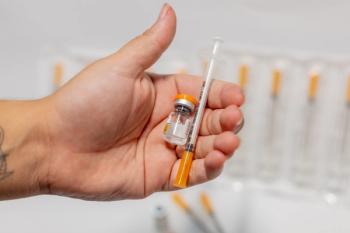
The approval offers a once-weekly basal insulin treatment option for patients, reducing the frequency of injections.
Pharmacy Times speaks with Joyce Lee, PharmD, APh, FCCP, BCPS, BCACP, CDCES, to breakdown the diabetes education gap that clinicians can't afford to ignore.
Pharmacy Times speaks with Joyce Lee, PharmD, APh, FCCP, BCPS, BCACP, CDCES, to breakdown the diabetes education gap that clinicians can't afford to ignore.
At ADA 2026, Lee highlighted the critical role of Diabetes Self-Management Education and Support (DSMES), an evidence-based, structured program designed to help individuals effectively manage diabetes. Research has consistently shown that patients who participate in DSMES experience improved clinical outcomes, enhanced quality of life, fewer diabetes-related complications, reduced hospitalizations and readmissions, and lower overall mortality. Despite these benefits, utilization remains strikingly low, with only 6.8% of privately insured patients and approximately 5% of Medicare beneficiaries receiving DSMES services within the first year of diagnosis.
To better understand this gap, Lee and colleagues evaluated health care professionals’ awareness, confidence, and understanding of DSMES across five domains: program objectives, activities, referral criteria, benefits, and billing. The most notable finding was a disconnect between clinicians’ perceived knowledge and their actual understanding. While awareness of DSMES was relatively high and confidence levels were moderate, respondents achieved an average score of only 61% on knowledge-based assessments. Confidence correlated only modestly with understanding, suggesting that clinicians who believe they understand DSMES may still have significant knowledge gaps.
Lee explained that insufficient clinician understanding can contribute to lower referral rates, preventing eligible patients from accessing education and support related to medication management, glucose monitoring, diabetes technology, and long-term behavior change. These missed opportunities may ultimately lead to poorer self-management, suboptimal glycemic control, and increased risk of complications.
The study identified referral criteria and billing knowledge as the weakest areas among respondents, representing practical barriers to DSMES implementation. Lee emphasized that pharmacists are uniquely positioned to address these gaps due to their accessibility and frequent interactions with patients. Pharmacists can identify eligible individuals, facilitate referrals, provide education, help patients navigate access and reimbursement issues, and serve as DSMES champions within interdisciplinary care teams.
Looking ahead, Lee anticipates DSMES will continue expanding into technology onboarding, remote delivery models, medication adherence support, and equitable access initiatives. However, improving clinician awareness, referral practices, and understanding of DSMES remains an essential first step toward maximizing the program’s impact on diabetes care.