


Weight Management
Latest News
Advertisement
Latest Videos



Shorts

1:00
GLP-1 Shortages & the Rise of Pharmacy Scrutiny
a month ago
by
Annie Lambert, PharmD, BCSCP(+1 more)

1:01
Wegovy HD: High-Dose Semaglutide for Greater Weight Loss
3 months ago
by
Saro Arakelians, PharmD(+1 more)

1:32
Saro's Scripts: Orforglipron
4 months ago
by
Saro Arakelians, PharmD
0:45
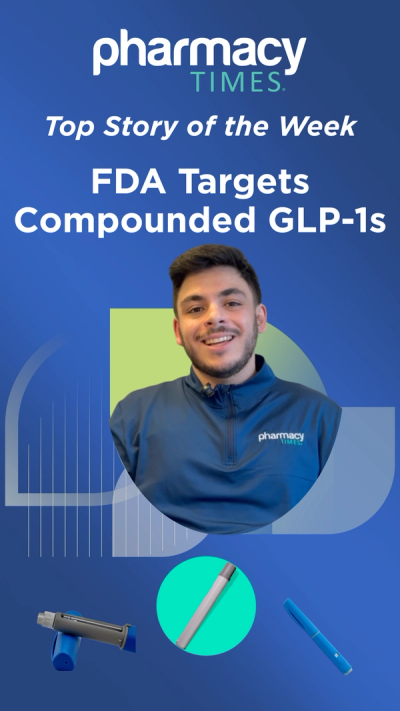
Top Story of the Week: FDA Targets Compounded GLP-1s
6 months ago
by
Luke Halpern, Associate Editor(+1 more)

0:34
Switching Patients’ GLP-1 Medications? Here’s What You Need to Know
6 months ago
by
Ferrin Williams, PharmD, MBA(+1 more)

0:33
Cutting Alcohol May Boost GLP-1 Drug Effectiveness by Up to 36%
7 months ago
by
David Shusterman, MD(+1 more)
0:36
Why Alcohol Ruins GLP-1 Results
7 months ago
by
David Shusterman, MD(+1 more)
Podcasts
CME Content




























































































Advertisement
More News
An FDA advisory vote boosts access hopes for peptide supporters, but compounding remains illegal pending rulemaking.

Most websites selling GLP-1 receptor agonists prescribed medication with minimal clinical vetting, raising safety concerns pharmacists should be aware of.
The first 2 weeks have produced a specific, recurring set of counter-level problems that have nothing to do with clinical appropriateness.

NHANES data from 1999 to 2023 show obesity, severe obesity, and abdominal obesity climbing across all age groups, with pharmacists positioned to intervene.

Obesity must be treated as the lifelong, chronic condition it is, and pharmacists are essential to making that vision a reality.

Patients with cancer on semaglutide or tirzepatide face hidden drug-drug interactions such as slowed absorption and nausea, requiring antiemetics and pharmacist coordination.
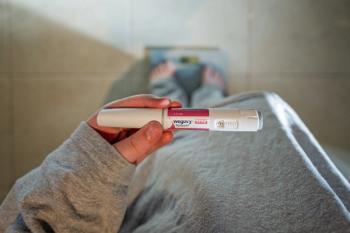
This FAQ breaks down which drugs are covered by the program, who qualifies, how to process claims correctly, and what pharmacists need to know to counsel patients through this landmark shift in obesity drug access.

The new program gives eligible Medicare Part D beneficiaries access to Wegovy, Zepbound, and Foundayo for weight management at a flat $50 co-pay, but early claim-routing errors show pharmacists have a critical role in getting patients across the bridge.

A randomized clinical trial found that both family-based therapy and individual psychoeducational motivational therapy improved symptoms of avoidant/restrictive food intake disorder.

Oral semaglutide delivers significant weight loss in OASIS trials, offering needle-free obesity therapy.

Medicare Is Finally Covering GLP-1s for Weight Loss: What the Bridge Program Means for Your Practice
Pharmacists who understand the workflow before July 1 will be the ones patients and prescribers depend on when the program launches.

On GLP-1s like semaglutide or tirzepatide, weight loss can mean muscle loss; encourage patients to use protein and resistance training to stay strong.

A new Lancet study provides the first plausible evidence that a national package of food labeling, marketing restrictions, and school food policies can reduce excess weight among young children.
Pharmacists are increasingly positioned to answer questions and address patient interests as peptide therapies expand rapidly across clinical settings.

A post hoc analysis of ATTAIN-1 and ATTAIN-2 presented at ADA 2026 found orforglipron (Foundayo) significantly reduced body weight and waist circumference in women regardless of menopausal stage.
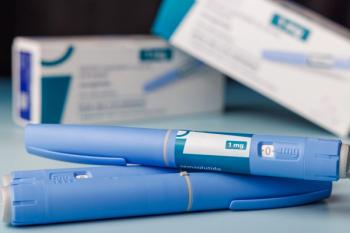
The misinformation is rampant, the adverse effect expectations are wildly off, and the patient psychology is complex.
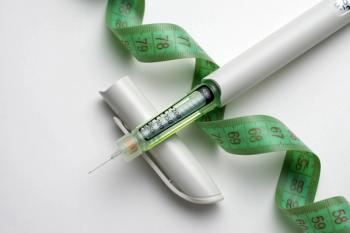
Patients deserve more than marketing. They deserve context.

The policy direction is clear, but the regulatory mechanics are still working their way through the system.
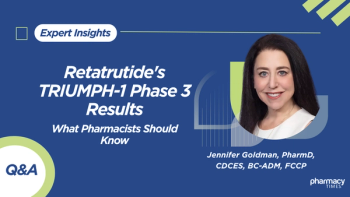
As retatrutide moves toward FDA submission, Jennifer Goldman, PharmD, breaks down the TRIUMPH-1 data—and what they mean for patient selection, dose escalation counseling, and positioning within the antiobesity pipeline.

Emerging evidence suggests that some individuals develop nutritional deficiencies during treatment, whereas others experience biologically driven GLP-1 resistance.

Clinical pharmacists may play an increasingly important role in longitudinal metabolic care, medication optimization, patient education, and multidisciplinary peptide management.
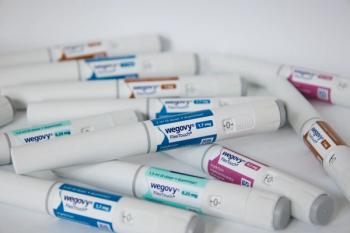
GLP-1 receptor agonists may reduce asthma flare-ups in nondiabetic adults with obesity, hinting at anti-inflammatory benefits.
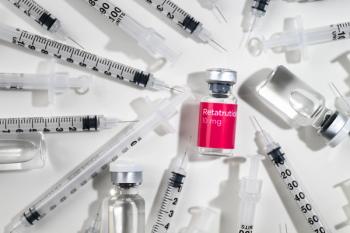
Eli Lilly's investigational triple hormone receptor agonist achieved average weight loss of up to 70.3 lb over 80 weeks.
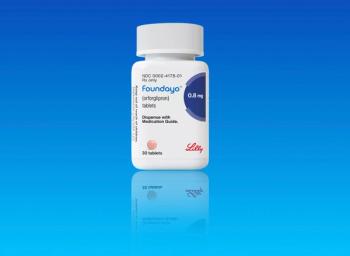
New once-daily oral GLP‑1 agonist cuts hemoglobin A1c and drives 5% to 10% weight loss—with no fasting rules—expanding options for obesity and diabetes care.
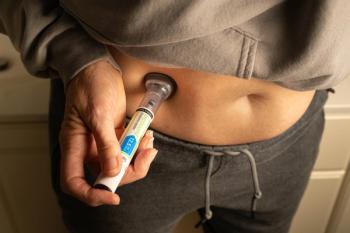
OTC GLP-1 boosters are marketed for weight loss, but pharmacists should help patients distinguish evidence-based care from supplement claims.
Advertisement
Advertisement
Trending on Pharmacy Times
1
FDA Approves First-in-Class Daraxonrasib for Metastatic Pancreatic Cancer
2
FDA Grants Fast Track Designation to CK0803 for Amyotrophic Lateral Sclerosis
3
Yeast-Based Universal Flu Vaccine Fully Protects Mice Against 3 Influenza Strains
4
Pharmacists' Expanding Role in MASLD Screening and Care
5