




Heart Failure
Latest News
Advertisement
Video Series
Latest Videos






Shorts


Podcasts
CME Content




























































































Advertisement
More News
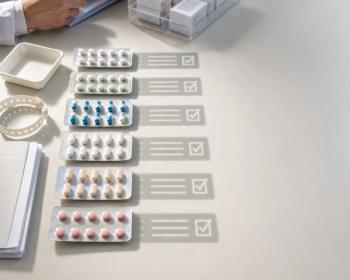
Pharmacist-driven discharge medication reconciliation services identifies clinical interventions and may contribute to a decreased 30-day readmission rate.

The POSEIDON clinical trial shows that high-sensitivity C-reactive protein levels remain elevated in approximately 2 in 5 patients with CVD, pointing to a gap in residual inflammatory risk management.
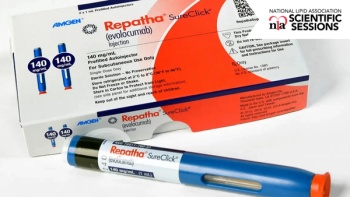
TIMI Study Group investigators presented new VESALIUS-CV data showing that intensive LDL-C lowering with evolocumab reduces major cardiovascular events, reinforcing the "lower is better, earlier is better" approach to lipid management.

First-Ever Guideline on Cardio-Kidney-Metabolic Syndrome Calls for Earlier Screening, Coordinated Care
Published: | Updated:
A landmark joint guideline on cardiovascular-kidney-metabolic syndrome offers clinicians a comprehensive, stage-based road map for screening, prevention, and treatment of an increasingly prevalent interconnected condition.
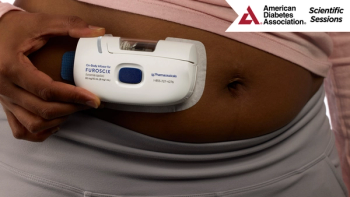
A post hoc analysis of the AT HOME-HF trial found lower hospitalization rates and longer time to admission among patients with diabetes treated with subcutaneous furosemide compared with usual care.

Ferric carboxymaltose is effective and guideline-endorsed, yet underutilized due to high cost and system-level barriers.
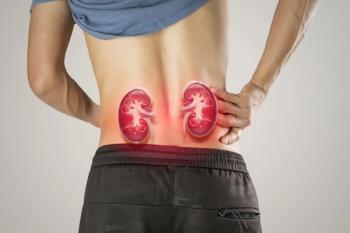
AHA Epidemiology Sessions 2026 show that chronic kidney disease (CKD) proteinuria drops of 30% or more cut heart failure, major adverse cardiovascular events, and death, a key prevention signal.


New data show that pharmacist-led interventions in independent community pharmacies can move the needle on A1C, blood pressure, and stroke risk, even in rural and underserved settings.

Experts say SMS-based engagement tools can help pharmacists improve medication adherence and reduce hospital readmissions by addressing common patient barriers such as forgetfulness and cost.
Cardiotoxic signals released from the kidneys may drive cardiovascular risk in patients with chronic kidney disease, opening the door to earlier detection and targeted treatment.
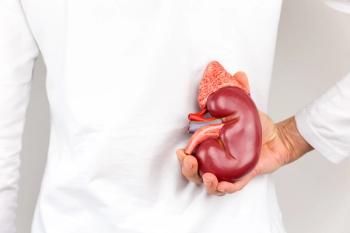
Patients with chronic kidney disease (CKD) send miRNA extracellular vesicles to the heart, contributing to the pathogenesis of heart failure.

The short message service (SMS) text reminders were targeted toward vulnerable patient populations and consequently reduced rates of readmission to the hospital.

Lowering blood glucose levels significantly reduces heart disease risks in prediabetes, offering new hope for prevention and management strategies.
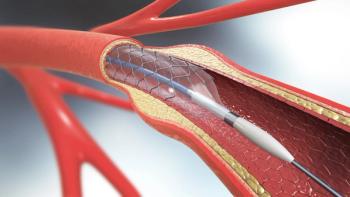
In patients with ST-segment elevation myocardial infarction, lowering low-density lipoprotein cholesterol to optimal levels prevented neoatherosclerosis, a complication following stent implantation.

The FDA has approved etripamil as the first and only self-administered nasal spray for adults with paroxysmal supraventricular tachycardia (PSVT), offering a rapid, effective treatment that can be used outside of health care settings.

The supplemental new drug application (sNDA) was assigned a PDUFA target action date of July 26, 2026.

Pharmacists remain essential to ensuring patients receive safe, effective, and accessible care amid expanding therapies.

New research reveals GLP-1 receptor agonists like semaglutide offer heart failure benefits beyond weight loss, emphasizing pharmacists' crucial role in patient care.

Hypertensive disorders of pregnancy confer increased cardiovascular risk, with heightened risk corresponding to more severe hypertension.

Heart failure prevention can be integrated into health systems to optimize care.

New results from the phase 3 HYPERION trial demonstrate reduced risks as early as the year following diagnosis of pulmonary arterial hypertension.

Individuals with heart failure who are Black, Hispanic, or Asian face a much earlier onset of heart failure hospitalization compared with White patients.

Digitoxin reduces primary composite vs placebo in HFrEF, with no statistically significant effect on individual components of all-cause mortality or first heart failure-related hospitalization.

Bumetanide nasal spray provides patients with edema an alternative to burdensome oral or intravenous diuretic options.
Advertisement
Advertisement
Trending on Pharmacy Times
1
What Pharmacists Should Know About Novo Nordisk-Eli Lilly GLP-1 Ad Suit
2
Overlooked Coronavirus Protein May Drive Cytokine Storm, Cardiac Injury in Severe COVID-19
3
FDA Clears First Continuous Glucose-Ketone Monitor
4
FDA Approves Dolutegravirfor HIV Treatment in Newborns
5