





Mental Health
Latest News
Advertisement
Latest Videos



Shorts

0:55
What It Means When a Psychedelic Is Granted FDA Breakthrough Therapy Designation
2 months ago
by
AZA Allsop, MD, PhD(+1 more)
0:40
Four Questions That Can Improve Mental Health Decisions
4 months ago
by
Megan Maroney, PharmD, BCPP, FAAPP(+1 more)
1:21
Lumateperone: One Capsule, Three Psychiatric Indications
4 months ago
by
Saro Arakelians, PharmD(+1 more)
1:11
New Trump EO Bolsters Psychedelics Space
4 months ago
by
Luke Halpern, Associate Editor
1:27
New Atypical Antipsychotic Milsaperidone Explained
5 months ago
by
Saro Arakelians, PharmD

0:36
Pharmacists Key in Rapid Induction, Retention for Opioid Use Disorder
10 months ago
by
Rajinder Shiwach, MD, MRCPsych(+1 more)

0:41
What Is Psychotropic Stewardship?
a year ago
by
Jolene Bostwick, PharmD, BCPS, BCPP(+1 more)

0:28
Advantages of LAIs Over Daily Oral Medications
a year ago
by
Melissa Malinoski, PA-C(+1 more)
Podcasts

















































































Advertisement
More News
The FDA approved once-daily centanafadine (Simtriyo), the first norepinephrine, dopamine, and serotonin reuptake inhibitor for ADHD in adults and children aged 6 years and older weighing at least 20 kg.
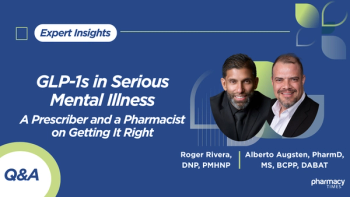
Two clinicians—a psychiatric prescriber and a hospital clinical pharmacist—weigh in on when to add a glucagon-like peptide-1 receptor agonist for patients with serious mental illness, how to monitor for trouble, and how to set expectations at the counter.
TV-44749 is a subcutaneous long-acting injectable form of olanzapine that is effective in schizophrenia while avoiding risks seen with the intramuscular formulation.

Compared with placebo, adult patients with ADHD and comorbid anxiety had greater change from baseline in AISRS total score at week 8.

Incorporate important health screenings and lifestyle prevention tips in MTM consults.
Ammoxetine is a novel SNRI derived from duloxetine, exhibiting a 3- to 10-fold greater potency.
Both slow and fast transition periods were safe and effective, with minimal adverse events.
A board-certified psychiatric pharmacist breaks down how systemic fragmentation, access barriers, and policy gaps are undermining schizophrenia treatment—and what must change.

Real-world data reveal that moderate to severe depression is linked to poor control and adherence, and women are more likely to be impacted.

Neurology trial tests low-dose lithium for MCI and Alzheimer risk; results miss primary end points but hint at slower verbal memory decline.

A large analysis found that measurable declines in processing speed, global cognition, and executive function began up to 8 years before a cardiovascular event.
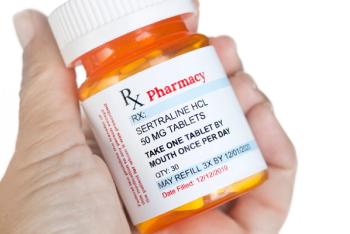
Pharmacists can counter misinformation on SSRIs with evidence-based antidepressant guidance, safe tapering advice, and patient-centered depression care.

A single dose of psilocybin produced rapid and clinically meaningful reductions in depressive symptoms in patients with major depressive disorder.
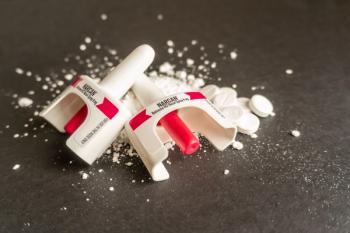
As medetomidine rapidly displaces xylazine as a fentanyl adulterant, pharmacists must recognize its distinct toxidrome, understand why naloxone alone is insufficient, and support updated harm reduction strategies in an increasingly complex overdose landscape.
The initiatives have intensified discussion surrounding the use of SSRIs, their discontinuation, and broader approaches to mental health care.

Ambulatory pharmacists can address mental health gaps, tackle stigma and SDOH, and power collaborative care, improving adherence and patient quality of life.
The approval follows positive results from a phase 3 randomized withdrawal trial.

Cultivating balance and well-being is essential to prevent burnout and foster resilience for future practice.

A federal directive to expedite FDA review and expand research pathways for psychedelic therapies signals a potential shift in mental health treatment.

As loneliness becomes a global health threat, pharmacies can take the social responsibility to combat isolation crisis and champion the community's health.

Practical strategies to improve clozapine education, monitoring, and utilization while addressing common barriers and safety concerns.
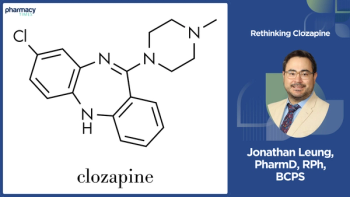
Jonathan Leung, PharmD, RPh, BCPS, discusses the ongoing underutilization of clozapine despite its efficacy, highlighting clinician concerns, lingering perceptions, and the key role pharmacists play in improving its use through education and monitoring.
Kelly Gable, PharmD, shares how empathy, presence, and practical guidance can transform patient experiences beyond the medication plan.
Oncology pharmacists face profound ethical tensions, often without formal training to navigate them.

How to thrive professionally and personally during pharmacy fellowship
Advertisement
Advertisement
Trending on Pharmacy Times
1
Pennsylvania Confirms First Measles Deaths in 35 Years as US Case Count Tops 2900
2
New Lipid Drugs and What Pharmacists Need to Know
3
FDA Approves Ustekinumab Injection for Pediatric Ulcerative Colitis, Expanding IBD Options for Children
4
August 2026 in Oncology: FDA Approvals and Phase 3 Data Reshape Treatment Across Tumor Types
5