
Schwartz must immediately address a measles crisis that has reached a 35-year high in the US, as well as a growing Cyclospora outbreak
Schwartz must immediately address a measles crisis that has reached a 35-year high in the US, as well as a growing Cyclospora outbreak

Federal guidelines and clinical evidence suggest that doubling or even tripling up on shots is not only safe but is also a best practice.

Although weight loss is a primary goal, the ultimate utility of these agents lies in their ability to reduce long-term morbidity.

The 20-mg once-daily tablet is indicated as an adjunct to diet and exercise to reduce low-density lipoprotein cholesterol (LDL-C).

The Moderna mRNA influenza vaccine won the FDA panel vote, but ACIP turmoil and a legal fight could threaten its fall 2026 rollout.

Cheeley maps out the resources—courses, certifications, communities, and a retail pharmacy call to action—that can take any pharmacist deeper into lipid management.

FDA approval of the first generic version of baloxavir marboxil brings an affordable single-dose flu treatment, boosting access for the 2026-27 influenza season.
Cheeley takes listeners inside her clinical decision-making process—from statin intolerance to PCSK9 inhibitors to omega-3s—and explains why patient buy-in is as important as the prescription itself.

This year’s guide, compiled from a national survey of 1700 practicing pharmacists, identifies the top recommended brands across 145 product categories, ranging from pediatric care to pain relief.

Correcting the misinformation around statins and cardiovascular disease, and reframing Lp(a) as a genetic condition, not a personal failure, can be a powerful clinical tool.

The landscape of cardiovascular prevention is shifting from a focus on surrogate biomarkers to a more granular, image-based assessment of actual disease burden.

From prior authorization barriers to population health gaps, Cheeley explains why adherence — not initiation — is where pharmacists can make their biggest impact.
New 2026 lipid guidelines push earlier screening, PREVENT risk scoring, and tougher LDL/ApoB targets with expanded nonstatin options.
Mary Katherine Cheeley, PharmD, BCPS, CLS, FNLA, highlights key data and events at the 2026 NLA Scientific Sessions.
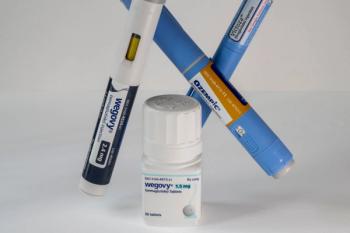
High-dose oral semaglutide pills boost A1C control and double-digit weight loss in diabetes and obesity trials, offering injectable-level results with daily convenience.

Real-world ADA 2026 data shows bempedoic acid add-on lowers major heart risks in type 2 diabetes more than ezetimibe, despite smaller LDL drops.

High-dose semaglutide shows improved kidney markers and lowers inflammation in obesity without diabetes, suggesting benefits beyond weight loss.

Subgroup data show ofatumumab sharply cuts relapses, MRI lesions, and neurodamage markers in highly active relapsing MS vs teriflunomide.

Genetic analysis links low vitamin D and earlier menarche to higher AQP4-IgG NMOSD risk, reshaping prevention and sparking calls for diverse studies.

Phase 3 FENhance trial data show CNS-penetrant BTK inhibitor fenebrutinib cuts relapses and MRI lesions in relapsing MS.

New data show ublituximab boosts MS quality of life fast and may start in 1 infusion for relapsing multiple sclerosis.

New data show cladribine tablets deliver strong relapse control and reassuring safety in older adults with relapsing multiple sclerosis, including 65 years and older.

Frexalimab shows 3-year MRI and relapse control in relapsing multiple sclerosis with stable immunity and reassuring safety.

Amid the evolving landscape of MS treatments, there is an increasing emphasis on strategic approaches to early intervention and switching therapies.
ENHANCE trial data show ublituximab-xiiy can start with a single bioequivalent infusion, easing multiple sclerosis treatment initiation.

The drug is currently under priority review by the FDA with a final decision expected by June 16, 2026.

TrumpRx lists 600+ generic drugs with live cash prices, helping patients beat co-pays and sidestep PBMs amid rising drug prices.

Darren Triller, PharmD, walks through the relative ease and impact of each of the 5 ADAPT priority areas, makes the case for dashboard-driven population health management.

Securing executive buy-in, building multidisciplinary coalitions, and targeting inappropriate antiplatelet use are among the most critical steps in implementing antithrombotic stewardship programs.

FDA approval brings AstraZeneca’s Breztri Aerosphere triple asthma inhaler for patients 12 years and older, boosting lung function fast and simplifying daily control.