




Diabetes
Latest News
Advertisement
Latest Videos






































































































Advertisement
More News
Pharmacy Times interviews Jennifer Clements, a clinical professor and the director of pharmacy education at the University of South Carolina, about glucagon-like peptide-1 receptors for diabetes treatment.

Limited access to healthy food in redlined communities contributes to higher rates of chronic disease and reduced life expectancy.

Age, frequent snoring, hypertension, and poor glycemic control are associated with excessive daytime sleepiness.
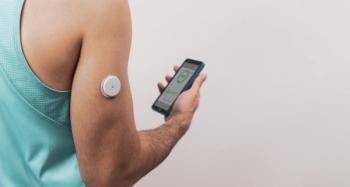
However, the effects on patient-reported outcomes were inconclusive when compared with self-monitoring blood glucose or the usual care.

Despite the explosion of public interest in these drugs, ongoing shortages and debates over compounding made access difficult.
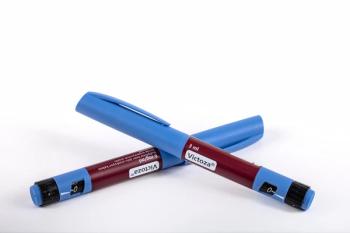
FDA Approves First Generic of Liraglutide Injection to Lower Blood Sugar in Patients With Type 2 Diabetes
Published: | Updated:
The approval of the generic to liraglutide injection, currently in shortage, could help increase patient access to the type 2 diabetes treatment.
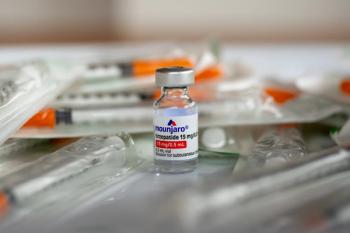
Compounding pharmacies have a 60- to 90-day grace period to complete production as it continues to monitor supply and demand.

This could be attributed to improved diet and health awareness.

Ultra-processed food consumption fuels the rising rates of childhood obesity, diabetes, and liver disease, highlighting opportunities for pharmacist intervention.

Rural pharmacies and hospitals face unique challenges in maintaining adequate staffing and drug supply inventory to serve patients who often travel long distance.

Pharmacists play an essential role in educating patients about various health-related topics, including type 2 diabetes and nutrition.

Pharmacists can leverage continuous glucose monitoring data to personalize diabetes management, overcome clinical inertia, and improve glycemic control for patients.
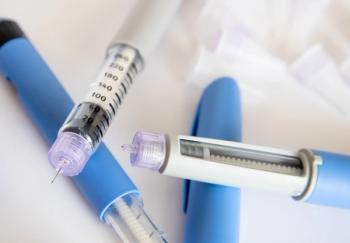
As use of injectable medications increases for diabetes and other indications, proper administration is crucial.
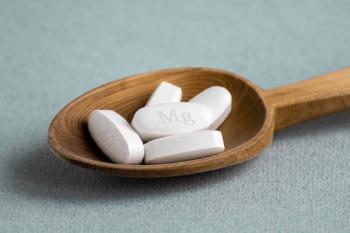
The pharmacist’s role includes determining if there are any medications that are contributing to magnesium deficiency for patients with diabetes who are at an increased risk.
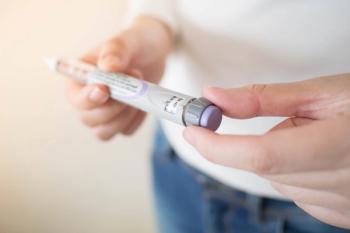
The combined effects of cagrilintide and semaglutide in CagriSema offer a dual approach to weight loss and glucose regulation.

These findings are significant in understanding interactions between glucagon-like peptide-1 medications and thyroid dysfunction because prior research has shown conflicting results.
Pharmacists are well-positioned to address diabetes from a multifaceted approach.

Investigators also established a negative association with higher vitamin C intake and diabetes prevalence.
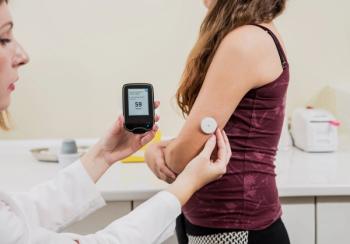
The use of outpatient pharmacy protocols for glucose testing and insulin administration supplies should be expanded to assist patients in the self-management of diabetes.

The label includes postmarking reports showing rare instances of pulmonary aspiration for patients undergoing procedures that require general anesthesia or deep sedation.
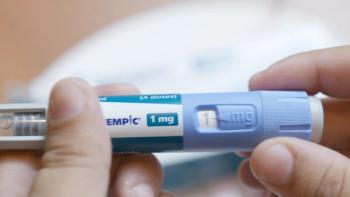
There has never been such widespread and popularized use of compounded products due to shortages. Will consumers rise up with pitchforks if the party is shut down?

CagriSema is a subcutaneous injectable combination of cagrilintide and semaglutide that is currently in phase 3 trials.
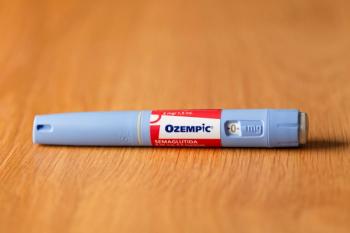
Off-label semaglutide has been linked to serious adverse effects, calling for increased regulation around compounding.

In addition to GLP-1s, dual GLP-1 and GIP agonists, intestinal lipase inhibitors, sympathomimetics, and other agents can help patients lose weight.
Advertisement
Advertisement
Trending on Pharmacy Times
1
CKD Outcome Set Elevates Patient-Reported Measures
2
FDA Approves Camizestrant for ESR1-Mutated Breast Cancer
3
FDA Expands Accelerated Approval of Sevabertinib to First-Line HER2-Mutant NSCLC
4
Community Pharmacy Can Win and Still Lose
5