

Invasive pneumococcal disease may be the first sign of undiagnosed blood cancers and antibody deficiencies in adults, a new study finds.
Invasive pneumococcal disease may be the first sign of undiagnosed blood cancers and antibody deficiencies in adults, a new study finds.

A retrospective study from Japan found that oncology pharmacist assessment before medical examination was associated with higher rates of complete adverse event resolution in outpatient chemotherapy.
In an interview with Pharmacy Times, Jose Bazan, MD, who leads the Breast Radiation Oncology program at City of Hope, discusses an ongoing phase 2 trial evaluating whether stereotactic body radiation therapy (SBRT) can help patients with oligoprogressive estrogen receptor (ER)-positive metastatic breast cancer remain on their current systemic therapy longer.
September’s hematology coverage examined a new definition of myeloma cure, patient preferences for treatment delivery, and emerging strategies for deepening responses.

September oncology coverage highlighted new breast and kidney cancer combinations, updated lung cancer labeling, and emerging evidence connecting antibiotic exposure with CAR T-cell outcomes.
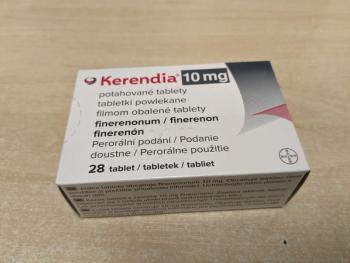
In a FINE-HEART analysis, cancer history raised the risk of death and hospitalization but did not blunt finerenone's cardiovascular and kidney benefits.
In an interview with Pharmacy Times, Danielle Roman, PharmD, BCOP, FHOPA, manager of oncology clinical pharmacy services at Allegheny Health Network in Pittsburgh, discusses ASCO’s updated guideline for follow-up and surveillance after primary treatment for early-stage breast cancer.

A detailed LINKER-MM1 analysis found that cytokine release syndrome (CRS) with linvoseltamab occurred early, was predominantly low grade, and became less frequent with successive step-up and full doses.
Romantamig trispecific shows deep, durable myeloma responses, with tocilizumab easing CRS and enabling safer outpatient dosing.
An MRD-guided strategy incorporating teclistamab-daratumumab intensification produced deep responses in newly diagnosed high-risk multiple myeloma, although infections affected more than three-fourths of treated patients.

MRD-guided stopping in multiple myeloma shows many patients stay disease-free for 4 years.

TecDara shows strong myeloma control, but early infection risk demands vigilant prophylaxis; safety improves after six months, supporting second-line use.
Phase 2 MILESTONE results suggest that postinduction minimal residual disease (MRD) negativity can identify a small subset of transplant-eligible patients with newly diagnosed multiple myeloma who may defer autologous stem cell transplantation.
A phase 3 trial shows etentamig boosts response and delays progression in triple-class exposed RRMM.

Fixed-duration KRd slowed progression in high-risk smoldering myeloma, but high rates of severe toxicity temper enthusiasm.

IRAKLIA data show that isatuximab OBI boosts comfort and satisfaction vs IV in multiple myeloma, enabling fast at-home dosing with strong completion rates.

New BCMA bispecific shows durable myeloma responses with low severe CRS/ICANS, fewer infections, and convenient outpatient dosing in TRAVINO.

Gut microbiome disruption from antianaerobic antibiotics weakens CAR T-cell therapy, raising relapse and CRS/ICANS risk; stewardship and microbiome repair may improve cancer outcomes.
The all-oral combination is supported by phase 3 LITESPARK-011 data showing improved progression-free survival compared with cabozantinib.
The FDA approved lirafugratinib for adults with previously treated, advanced cholangiocarcinoma harboring an FGFR2 fusion or other rearrangement after the REFOCUS trial showed a 46% ORR.

Long-term CASSIOPEIA Registry results show that daratumumab maintenance supports sustained minimal residual disease negativity in transplant-eligible patients with newly diagnosed multiple myeloma.

Infection prevention during bispecific antibody treatment requires pharmacists to coordinate baseline screening, antimicrobial prophylaxis, immunoglobulin monitoring, vaccination, and rapid evaluation of suspected infections.
For as long as practicing oncology pharmacists have been in the field, multiple myeloma has carried a standard caveat: treatable, not curable. Now that is changing.
Linvoseltamab drives deep, MRD-negative responses in high-risk smoldering multiple myeloma, raising earlier-treatment and payer coverage questions.
A phase 1/2 analysis found rapid, deep responses with mezigdomide plus elranatamab in patients with relapsed or refractory multiple myeloma, but the small cohort and limited follow-up require cautious interpretation.
An investigational glypican-3–directed CAR T-cell therapy engineered to express IL-15 and IL-21 produced a complete response lasting at least 1 year in a child with chemotherapy-resistant metastatic hepatoblastoma.

Phase 3 CERVINO results show that monthly etentamig significantly improved PFS and response rates compared with investigator-selected therapy in patients with previously treated multiple myeloma.
EMBER-3 data show switching to the combination at progression nearly doubled PFS versus imlunestrant alone in ESR1-mutated advanced breast cancer.

Statin initiation after colorectal cancer treatment was associated with only modest survival differences after investigators accounted for biases that can exaggerate benefits in observational research.

Robin Tumlinson, PharmD, BCOP, discusses how biomarker-guided treatment and increasingly complex toxicity profiles are expanding oncology pharmacists’ responsibilities in bladder cancer care.