




Reproductive Health
Latest News
Advertisement
Latest Videos







Shorts
0:40
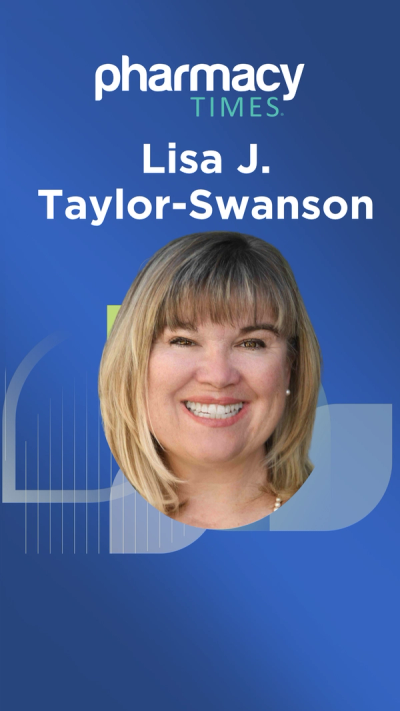
Lisa J. Taylor-Swanson Describes "Nuts and Bolts" Sessions at TMS 2025
10 months ago
by
Lisa J. Taylor-Swanson, PhD, LAc, Dipl OM (NCCAOM)(+1 more)
Podcasts





























































































Advertisement
More News

Every additional access point—a pharmacist trained to screen, counsel, and, where authorized, initiate or manage therapy—is a smaller referral bottleneck.

As options expand, pharmacists play an increasingly important role in working collaboratively with prescribers and patients to deliver individualized, evidence-based care.

A new toxicological risk assessment builds on 2024 findings that raised consumer concern, offering pharmacists reassuring data to share with patients.

Physicians oversee prescription medications the patient is taking, but OTC products bypass this system, and patients are often unaware of what can and cannot be taken.
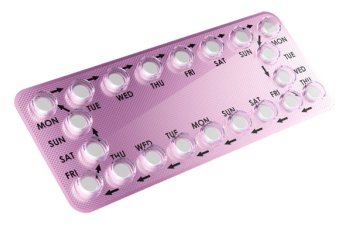
Danish study links meningioma risk to progestogen contraceptives, including injectable depot medroxyprogesterone acetate and levonorgestrel intrauterine devices.

PCOS becomes PMOS, spotlighting metabolic and endocrine risks.

This FAQ covers current dispensing regulations, practical considerations for pharmacists, and the clinical pharmacology of mifepristone.

The ruling comes after weeks of uncertainty for patients, health care providers, and pharmacists about how and whether they could access and distribute the drug.

PMOS to replace PCOS, highlighting metabolic and endocrine roots and a 3-year global rollout aimed at faster diagnosis and better care.

Male contraceptives represent a step toward equality in reproductive responsibility.

The temporary order will allow patients to continue receiving mifepristone via mail or at the pharmacies without an in-person visit to a doctor.

Harm reduction–based counseling frameworks for cannabis use during pregnancy and lactation can improve patient engagement, disclosure, and safety, with pharmacists playing a key role in implementation.

New Yale University research offers reassurance for pregnant patients and their clinicians, although evidence of lasting structural damage remains a concern.

The research highlights the influence of hormonal changes on treatment selection and the need for more tailored, life stage–specific care.

PCOS in female athletes often goes unrecognized due to atypical presentations, requiring careful differentiation, individualized management, and a multidisciplinary approach to protect both performance and long-term health.

Pharmacists guide women through updated menopause hormone therapy labels, rising demand, patch shortages, and personalized risk-benefit counseling.

Pharmacists reshape care, from maternal medication safety to sustainability, cutting waste and improving public health across communities.
The indication is for patients who have received 1 to 3 prior systemic treatment regimens, of which at least 1 includes bevacizumab.

A Response to “We Can Do Better: Educating on Perimenopause and Menopause Is a Good Thing,” Published in November 2025

WHO’s 2025 pregnancy diabetes guidance explains glucose monitoring, hemoglobin A1C targets, and metformin/insulin choices, with a focus on low-resource care.
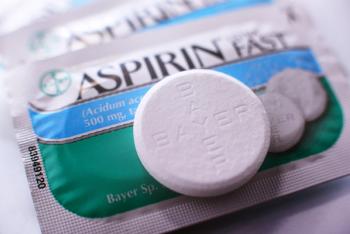
Universal aspirin at the first prenatal visit lowers severe preeclampsia rates in high-risk pregnancies, delaying onset without raising hemorrhage or placental abruption risk.

Study links GLP-1 receptor agonists plus progestin to lower endometrial cancer risk, hinting at new prevention and treatment paths with fewer hysterectomies.

The label change removes boxed warnings of cardiovascular disease, breast cancer, and probable dementia from certain hormone replacement therapy products.
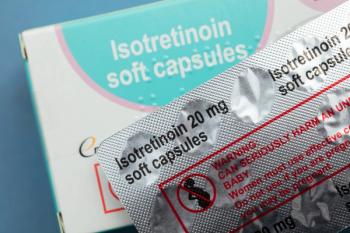
The updates allow for patients of reproductive age to complete pregnancy tests at home during or after treatment.

The Medications Optimizing Maternal Safety (MOMS) program offers vital support to pregnant patients through community pharmacies.
Advertisement
Advertisement
Trending on Pharmacy Times
1
State Pharmacy Boards Must Step Up Against Illegal Retatrutide
2
Obinutuzumab-Bendamustine Produces High Response Rates in Chinese Patients With Indolent B-Cell Lymphomas
3
New CKD Outcome Set Tells Pharmacists What to Measure
4
GLP-1s and the HCM–Sleep Apnea–Obesity Connection
5