






Diabetes
Latest News
Advertisement
Latest Videos




Advertisement
More News

Cheeley maps out the resources—courses, certifications, communities, and a retail pharmacy call to action—that can take any pharmacist deeper into lipid management.

Phase 3 REIMAGINE data presented at ADA 2026 show the amylin–GLP-1 combination bests semaglutide monotherapy across type 2 diabetes stages, with implications for pharmacist-managed diabetes care.

Cheeley takes listeners inside her clinical decision-making process—from statin intolerance to PCSK9 inhibitors to omega-3s—and explains why patient buy-in is as important as the prescription itself.
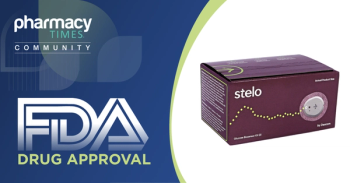
The integrated CGM is now indicated for individuals 2 years and older who do not use insulin.

FDA Approves Teplizumab-mzwv for Children With Newly Diagnosed Stage 3 Type 1 Diabetes
Published: | Updated:
Approval of teplizumab-mzwv in patients aged 8 to 17 years makes it the first disease-modifying therapy for children newly diagnosed with stage 3 type 1 diabetes.
First-Ever Guideline on Cardio-Kidney-Metabolic Syndrome Calls for Earlier Screening, Coordinated Care
Published: | Updated:
A landmark joint guideline on cardiovascular-kidney-metabolic syndrome offers clinicians a comprehensive, stage-based road map for screening, prevention, and treatment of an increasingly prevalent interconnected condition.

Disparities in education access and quality, income level, and race and ethnicity are SDoH that make a major impact on diabetes and its management in the US.

Afrezza is the only ultra rapid-acting inhaled insulin approved by the FDA to improve glycemic control in children, adolescent, and adult patients with diabetes.

As Novo Nordisk transitions patients from Rybelsus to newer, higher-efficacy oral semaglutide formulations, pharmacists are on the front lines of counseling, dosing clarification, and adverse effect management.

Community pharmacists emerged as the critical clinical link in the modern patient care continuum
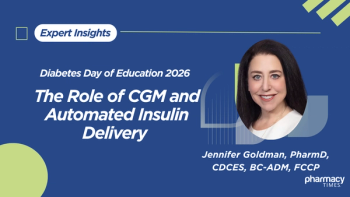
Jennifer Goldman, PharmD, CDCES, BC-ADM, FCCP, discusses how continuous glucose monitoring (CGM) technology and automated insulin delivery systems are transforming pharmacists’ roles.
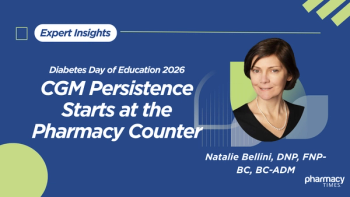
Natalie Bellini, DNP, FNP-BC, BC-ADM, explains why continuous glucose monitor (CGM) persistence so often breaks down after initiation and how pharmacists can intervene at the point of dispensing.
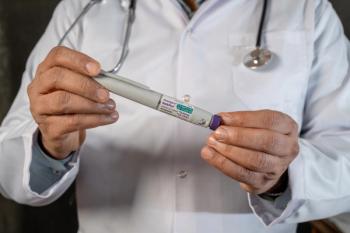
Rapid insulin discontinuation occurred with tirzepatide 2.5 mg weekly in long-standing type 2 diabetes, demonstrating a low-dose responder phenotype and pharmacist-led CGM-guided deprescribing.
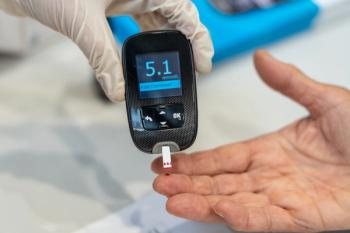
FDA Recall targets True Metrix blood glucose monitoring systems after E-5 errors risk mistreating diabetes; updated guidance helps patients, pharmacists prevent harm.

Integrated pharmacist-led care models help to improve diabetes outcomes, expand CGM use, and reduce costs through proactive, multidisciplinary patient management.

GLP-1 weight-loss drugs reshape healthcare and consumer spending, as markets surge, coverage splits, and subscription models spread.

FDA expands teplizumab to age 1 year for stage 2 type 1 diabetes—pharmacists must learn dosing, infusion logistics, and safety monitoring.

The interchangeable designation allows pharmacists to substitute Langlara for Lantus at the point of dispensing without prescriber intervention, a distinction that carries significant clinical and operational implications for pharmacy practice.

Coordinated pharmacist-led outreach, e-consults, and continuous glucose monitoring support improve diabetes outcomes, increase guideline-based therapy use, and impact total cost of care.

Integrated health plan–provider collaboration enables pharmacists to drive proactive diabetes management, improve adherence, and expand access to CGM and lifestyle support.

The FDA expands teplizumab-mzwv use to ages 1+ with stage 2 type 1 diabetes, detailing PETITE-T1D safety, EBV/CMV precautions, and pharmacist support to delay onset.

Extended data from ACHIEVE-4 reinforce the durability of oral GLP-1 receptor agonist therapy, with implications for long-term diabetes management and pharmacist-led care.

A postdischarge diabetes follow-up showed me how pharmacists prevent harm by catching omissions, simplifying plans, and using technology to restore patient confidence.
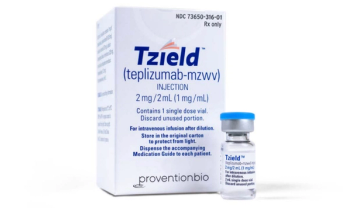
FDA Expands Teplizumab-mzwv Approval to Delay Stage 3 Type 1 Diabetes in Children as Young as 1 Year
FDA approval expands teplizumab-mzwv to patients 1 year and older, helping delay type 1 diabetes onset for children with stage 2 diabetes.

New data highlight the impact of pharmacist-driven continuous glucose monitoring services on hemoglobin A1C reduction, time in range, and medication adherence.
Advertisement
Advertisement
Trending on Pharmacy Times
1
FDA Approves Bepirovirsen, First ASO for Chronic Hepatitis B
2
Operationalizing Therapy and Managing Hypophosphatemia Risk at UPMC
3
What Pharmacists Should Know About Sea Buckthorn for Respiratory Health
4
Can AI Help Predict Drug Shortages?
5