





Genitourinary Cancer
Latest News
Advertisement
Latest Videos







Podcasts

CME Content





















































































Advertisement
More News

Capivasertib plus abiraterone improves survival in PTEN-deficient hormone-sensitive prostate cancer.

PEACE-3 trial data presented at ASCO GU show survival benefits with enzalutamide combination.

GDF15 can reshape prostate cancer prognosis and treatment; pharmacists track emerging biomarker panels and targeted therapies for metastatic disease.

The rise of intravesical therapies in non–muscle invasive bladder cancer underscores the vital role of pharmacists in advancing patient care.

The FDA has approved a new combination therapy for BRCA2-mutated metastatic prostate cancer, showing significant efficacy in clinical trials.

The FDA approves a groundbreaking gemcitabine system, offering new hope for patients with BCG-unresponsive bladder cancer.
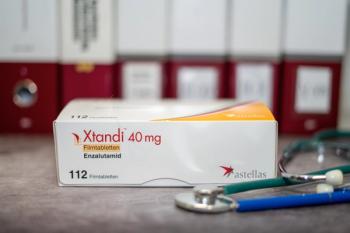
Enzalutamide combined with leuprolide significantly enhances survival in high-risk non-metastatic prostate cancer, marking a breakthrough in treatment strategies.
Research reveals pioglitazone, a diabetes drug, may slow prostate cancer progression, offering new hope for patients with both conditions.

Talazoparib in combination with enzalutamide yielded significant improvements in radiographic progression-free survival and overall survival.

The approval makes enzalutamide the first and only androgen receptor-signaling inhibitor approved for the treatment of nonmetastatic castration-sensitive prostate cancer with biochemical recurrence at high risk for metastatic.

Clinical trial results showed that the combination significantly improved radiographic progression-free survival compared with enzalutamide monotherapy for homologous recombination repair gene–mutated metastatic castration-resistant prostate cancer.

Immature data suggest enzalutamide combination improves overall survival in patients with high-risk biochemical recurrence.

Frequent prostate-specific antigen screenings may lower the risk of metastasis at the time of diagnosis and lower mortality risk from prostate cancer among younger African American men.

Positive results were based on the PROSPER trial, which evaluated the overall survival of enzalutamide plus androgen deprivation therapy versus standard of care.

Lisa Holle, PharmD, BCOP, FHOPA, associate clinical professor at the University of Connecticut, explains which patient populations would best benefit from either apalutamide versus enzalutamide in the treatment of non-metastatic prostate cancer.

Enzalutamide (Xtandi) is the first and only FDA-approved oral medication for both non-metastatic and metastatic castration-resistant prostate cancer.
Advertisement
Advertisement
Trending on Pharmacy Times
1
Rising Gallbladder Complications With GLP-1 Receptor Agonists Call for Closer Pharmacist Monitoring
2
Pneumonic Plague: What Pharmacists Need to Know About Treatment
3
FDA Approves First Once-Monthly Subcutaneous Olanzapine LAI for Adults With Schizophrenia
4
FDA Approves Pritelivir for Refractory HSV Lesions in Immunocompromised Adults
5