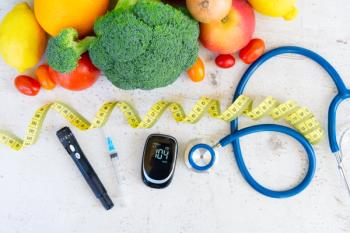
As accessible health care providers, pharmacists can raise awareness about the proper use of OTC blood glucose meters and continuous glucose monitoring devices.
Phase 2b data from EASD 2026 show the amylin-incretin combination also cut HbA1C by up to 2.9% in adults with obesity or overweight and type 2 diabetes.
Emergency and ICU pharmacists would be most likely to see pneumonic plague. An expert reviews first-line agents, alternatives, and postexposure prophylaxis.
A former residency program director unpacks why this debate keeps resurfacing, and why some reasons people give for skipping residency may not hold up the way they think they do.
Eric Lawitz, MD, explains how pharmacists can raise liver risk with patients with obesity and why a FIB-4 score from routine blood work is a good first step.
Pharmacogenomic-guided prescribing uses genetic data to protect patients from dangerous toxicities and get them the right drug at the right dose from the start.
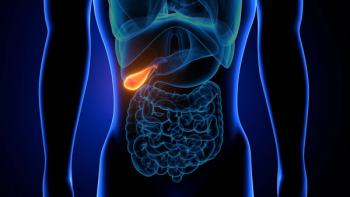
Growing evidence points to gallstones and cholecystitis as an underrecognized risk of GLP-1 RA therapy—pharmacists are well positioned to catch it early.