




Psychedelics
Latest News
Advertisement
Latest Videos






Shorts


Podcasts



























































































Advertisement
More News

Vertanical's investigational cannabis-derived therapy VER-01 received FDA breakthrough therapy designation after positive phase 3 data demonstrated significant pain reduction and improved tolerability in patients with chronic low back pain.

A single dose of psilocybin produced rapid and clinically meaningful reductions in depressive symptoms in patients with major depressive disorder.
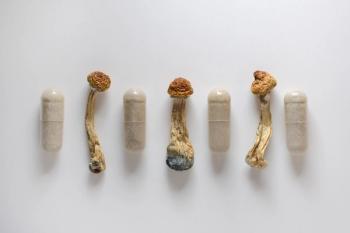
Emerging evidence supports the use of psilocybin in palliative care, yet Schedule I status uniquely limits access outside of clinical trials in the US.
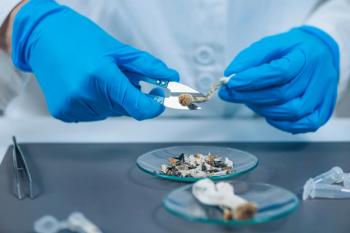
Psilocybin-assisted psychotherapy significantly increased cocaine abstinence rates and reduced relapse risk in patients with cocaine use disorder.
The actions will support the development of psychedelic-based therapies for PTSD, depressive disorders, and substance use disorders.

The reclassification of medical marijuana to Schedule III marks a major policy shift that expands research and introduces new potential health care challenges.

A federal directive to expedite FDA review and expand research pathways for psychedelic therapies signals a potential shift in mental health treatment.
Canada’s experience demonstrates the risks of sidelining pharmacy in medical cannabis policy.

Pharmacists must adapt to the evolving landscape of psychedelic therapies, focusing on education, patient support, and understanding regulatory challenges.

As psychedelic medicines near approval, pharmacists will become essential guides in safety and education.


Hallucinatory affects associated with psychedelic drugs and Lewy body diseases may have some commonalities.

Engagement and recognition of pharmacist expertise grows as state psychedelic bills expand.

MM120 shows promise in treating generalized anxiety disorder, demonstrating significant symptom relief and a potential shift in psychiatric treatment approaches.
The action follows 2 FDA-issued complete response letters.

Joel Stanley of Ajna Biosciences reflects on the regulatory challenges surrounding MDMA-assisted therapy, outlines lessons for future psychedelic drug trials, and emphasizes the importance of scientific rigor, interdisciplinary infrastructure, and the evolving role of pharmacists in ensuring safe clinical integration.

Psychedelic treatments may ease cancer distress at various stages of the care journey.

Manish Agrawal, MD, discusses emerging research on psychedelic-assisted therapy for patients with cancer, including innovative dyadic treatment models, challenges in capturing meaningful outcomes, and growing interest in integrating psychedelics into oncology and palliative care.

With Oregon, Colorado, and New Mexico legalizing psilocybin-assisted therapy, opportunities for treatment are expanding.

Psilocybin at the Crossroads: Regulatory Barriers and the Pharmacist’s Role in Palliative Innovation
Abigail Thomas, PharmD, and Lee A. Kral, PharmD, discuss the evolving role of psilocybin-assisted therapy in palliative care, highlighting current evidence, safety concerns, and how pharmacists can guide patient selection, manage drug interactions, and support education as the therapy moves closer to clinical use.

As evidence grows for psilocybin-assisted therapy’s effectiveness in treating mental health and addiction, efforts are increasingly focused on ensuring equitable access—particularly for underserved communities disproportionately affected by systemic barriers and public health crises.

Many other issues on the new administration’s plate are taking priority.

MDMA Rejected: The Story of a Study Participant Entrenched in Ethical Violations
Published: | Updated:
The health care community was left largely unaware of the controversy that occurred at one of the clinical trial sites.

The trend toward higher-potency marijuana could pose additional, unknown risks.

The court also addressed the employer’s basis for ordering a drug test.
Advertisement
Advertisement
Trending on Pharmacy Times
1
Phase 3 Trial Marks First Success for Personalized mRNA Cancer Therapy in Resected Melanoma
2
FDA Approves Garetosmab-grts, First Treatment for FOP Bone Growth
3
Fentanyl-Responsive Microneedle Patch Automatically Releases Naloxone in Preclinical Study
4
Delegating to Technicians: The Key to Pharmacists Practicing at Top of License
5