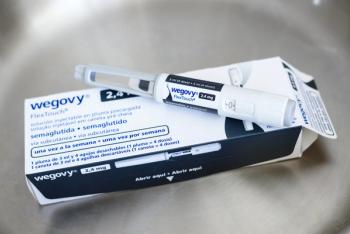
Phase 2b data from EASD 2026 show the amylin-incretin combination also cut HbA1C by up to 2.9% in adults with obesity or overweight and type 2 diabetes.
Katelyn O'Brien, PharmD, BCPS, CDCES, BC-ADM, discusses the New England Institute of Ambulatory Care Pharmacists (NEIAP) Annual Forum and previews key topics of discussion.
Katelyn O'Brien, PharmD, BCPS, CDCES, BC-ADM, clinical pharmacy specialist at Boston Medical Center, describes the New England Institute of Ambulatory Care Pharmacists (NEIAP) as a homegrown, regional organization—distinct from national parent organizations—that gives ambulatory care pharmacists in the Boston, Massachusetts, area a dedicated space for networking and education. Through its events, NEIAP helps pharmacists expand services such as billing and collaborative practice agreements, allowing members to share ideas and learn from one another across different hospitals and health systems.
Looking ahead to NEIAP's September meeting, O'Brien highlights the strength and variety of the agenda as a key reason for pharmacists to attend, noting that the faculty lineup offers relevant content for those practicing in primary care or across multiple disease states. Although her own clinical focus is diabetes, she says she is especially looking forward to sessions on hypertension and lipids—areas she doesn't often prioritize at diabetes-specific conferences—as well as updates on continuous glucose and ketone monitoring technology. O'Brien herself will serve as faculty at the event, presenting an overview of sodium-glucose cotransporter inhibitors and tracing their evolution from a type 2 diabetes treatment to a therapy with an expanding role in cardiorenal metabolic care.
Reflecting on NEIAP's broader trajectory, O'Brien notes that the organization has evolved in step with the ambulatory care pharmacy profession itself. She points to roundtable discussions on telehealth, remote patient monitoring, and billing considerations—topics that gained urgency in the wake of the COVID-19 pandemic—as evidence of NEIAP's responsiveness to change. For O'Brien, this adaptability reflects a larger shift in how pharmacists deliver care, moving beyond face-to-face encounters to a more multifaceted, technology-supported model of patient service.
Registration for the NEIAP 2026 Annual Forum in September can be found
Stay informed on drug updates, treatment guidelines, and pharmacy practice trends—subscribe to Pharmacy Times for weekly clinical insights.
Subscribe