

Diabetes
Latest News
Advertisement
Latest Videos








Advertisement
More News

New data highlight the impact of pharmacist-driven continuous glucose monitoring services on hemoglobin A1C reduction, time in range, and medication adherence.
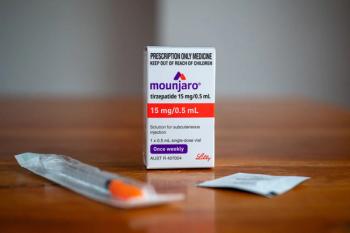
Jennifer Goldman, PharmD, highlights clinical trial data and practical strategies for pharmacists to support initiation, adherence, and adverse effect management with tirzepatide at the American Pharmacists Association Annual Meeting and Exposition.
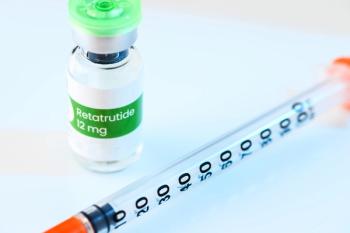
The first-in-class triple agonist met all primary and key secondary end points in the TRANSCEND-T2D-1 trial.

Clinical pharmacist specialists emphasized the pharmacist's role closing the gap between guideline recommendations and patient access to CGMs and automated insulin delivery.

FDA Approves Insulin Icodec-abae, First Once-Weekly Basal Insulin for Adults With T2D
Published: | Updated:
Insulin icodec-abae injection becomes the first and only once-weekly basal insulin option, offering personalized care for adults with type 2 diabetes (T2D).

Swapping 30 minutes of teen sedentary time for vigorous activity or extra sleep cuts insulin resistance by 15%, aiding type 2 diabetes (T2D) prevention.

In patients with diabetes, liver stiffness testing flags hidden MASLD fibrosis and sharply higher death risk.

Mass-produced compounded GLP-1 drugs bypass FDA safeguards, raising sterility, quality, and supply-chain risks—putting patients at risk despite ending shortages.

Peer Reviewed
This case report highlights pharmacists’ collaborative role in optimizing care transitions and diabetes management for a patient newly diagnosed with latent autoimmune diabetes in adults.

A large observational study identifies U-shaped relationship between weekday sleep duration and estimated glucose disposal rate.

Adherence to glucose-lowering drugs ranges from 41% to 68% depending on drug class.
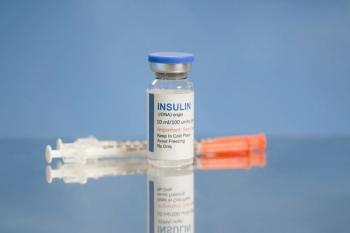
Meta-analysis finds insulin efsitora provides similar glycemic control with superior hemoglobin A1C reduction at 52 weeks and lower total weekly insulin dose, while maintaining an acceptable safety profile.

WHO’s 2025 pregnancy diabetes guidance explains glucose monitoring, hemoglobin A1C targets, and metformin/insulin choices, with a focus on low-resource care.

Orforglipron, an oral GLP-1 medication, demonstrated superior weight loss and blood glucose control compared with oral semaglutide in patients with type 2 diabetes (T2D).

The oral solution improves central diabetes insipidus dosing precision, helping pharmacy teams tailor therapy, counsel patients, and monitor hyponatremia.

Insulin costs soar despite a century of use—see how PBMs, rebates, and new policies shape access, and what pharmacists can do.

Niels Lund, expert investigator, reveals how early type 2 diabetes care slashes greenhouse gas emissions, boosts life years, and curbs costly complications.

Incretin-based therapies were associated with a lower risk of dementia compared with sulfonylureas in older adults with type 2 diabetes, highlighting potential cognitive benefits relevant to long-term diabetes management.

Incremental, plant-based dietary changes can improve glycemic control, weight, and lipid outcomes while complementing cardiometabolic pharmacotherapy in routine pharmacy practice.

Replacing animal products—particularly processed meats—with plant-based foods, including some processed options, can lower cardiometabolic risk and offer pharmacists practical counseling opportunities alongside medication therapy.

Processed plant-based foods, such as breads and cereals, can reduce the risk of diabetes and heart failure when they replace ultraprocessed meats or sugary beverages.

A study determined that lifestyle factors and comorbidities were more likely to be associated with the onset of diabetes.
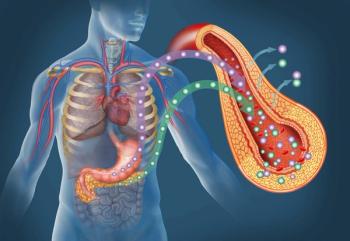
Dipeptidyl peptidase-4 inhibitors and glucagon-like peptide-1 receptor agonists were found to offer neuroprotective effects to patients who were administered the medications.

Long-term type 2 diabetes significantly increases cardiovascular disease risk, revealing potential biomarkers for early intervention and prevention strategies.

New dietary guidelines emphasize higher protein intake, reduced added sugars, and avoidance of ultra-processed foods to combat chronic diseases.
Advertisement
Advertisement
Trending on Pharmacy Times
1
FDA Approves Bepirovirsen, First ASO for Chronic Hepatitis B
2
Operationalizing Therapy and Managing Hypophosphatemia Risk at UPMC
3
What Pharmacists Should Know About Sea Buckthorn for Respiratory Health
4
Can AI Help Predict Drug Shortages?
5