




Lymphoma
Latest News
Advertisement
Latest Videos

Shorts

Podcasts
Advertisement
More News

Findings from EPCORE DLBCL-4 show that fixed-duration epcoritamab plus lenalidomide significantly improved progression-free survival (PFS) vs R-GemOx in relapsed or refractory diffuse large B-cell lymphoma (DLBCL).
Minimal residual disease (MRD) negativity exceeded 90% with 100% response and no progression in patients with treatment-naive chronic lymphocytic leukemia/small lymphocytic lymphoma (CLL/SLL).
Fixed-duration pirtobrutinib plus venetoclax-rituximab reduced the risk of progression or death by 45% and achieved higher undetectable MRD rates than venetoclax-rituximab alone.

Data presented at EHA 2026 showed that epcoritamab significantly improved progression-free survival and complete response rates compared with standard chemoimmunotherapy in patients with relapsed or refractory (RR) large B-cell lymphoma (LBCL).

Real‑world study finds grade 1 CRS during CD20 bispecific therapy for follicular lymphoma is often safe at home, reducing hospital use.
Phase 3 frontMIND phase 3 trial data show tafasitamab plus lenalidomide with R-CHOP boosts PFS and has manageable safety in high-risk newly diagnosed DLBCL.

Time to next treatment (TTNT) is an emerging real-world end point in CAR T-cell therapy that reflects treatment durability, clinical outcomes, and health care system factors beyond traditional efficacy measures.

Infection following CAR T-cell therapy is a common and clinically significant complication driven by prolonged immune dysregulation, cytopenias, and hypogammaglobulinemia, requiring phase-based risk awareness and proactive preventive management across the treatment continuum.
ASCO 2026: Glofitamab monotherapy shows durable remissions in relapsed mantle cell lymphoma after BTKi, with manageable CRS.

Data from a phase 1/2 trial revealed that CRISPR–Cas9–edited donor stem cell transplants lacking CD33 enabled rapid engraftment and allowed posttransplant gemtuzumab ozogamicin maintenance in high-risk patients with AML/MDS without prolonged hematologic toxicity.
FDA approves sonrotoclax for patients who have received at least 2 lines of systemic therapy, including a Bruton tyrosine kinase inhibitor.

Bispecific antibodies show strong efficacy in relapsed/refractory lymphoma and early promise in frontline combination settings.

COA 2026 reveals how bispecific antibodies transform lymphoma care—outpatient workflows, SOPs, and infection vigilance shape safe BTCE delivery.
The cellular FLICE-like inhibitory protein (cFLIP) is a critical regulator of extrinsic apoptosis and essential driver of diffuse large B-cell lymphoma pathogenesis.

EPCORE trial data show epcoritamab plus lenalidomide and rituximab delivers responses in relapsed/refractory follicular lymphoma with outpatient dosing.

FDA approves nivolumab with AVD for stage III/IV classical Hodgkin lymphoma, boosting PFS and redefining first-line care.

Ipsen discontinues tazemetostat after SYMPHONY-1 safety signals; pharmacists and FDA guide next steps for EZH2-mutant follicular lymphoma patients.

Frontline therapy for DLBCL is evolving with the integration of targeted and cellular therapies, demonstrating promising outcomes.
The epcoritamab, rituximab, and lenalidomide regimen provides a chemo-free, outpatient option for relapsed or refractory follicular lymphoma (FL), offering high response rates, improved quality of life, and expanding pharmacists’ roles in patient management.
FDA approves mosunetuzumab's subcutaneous formulation, enhancing treatment access for relapsed follicular lymphoma.
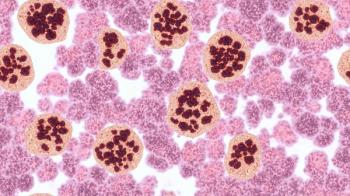
Experts at the ASH Annual Meeting and Exposition in Orlando, Florida, explored innovative strategies and treatments for improving outcomes in diffuse large B-cell lymphoma.

Breyanzi becomes the first FDA-approved CAR-T therapy for relapsed marginal zone lymphoma, offering hope with impressive response rates and durable outcomes.
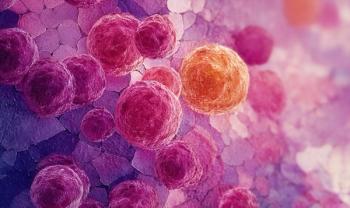
Epcoritamab-bysp demonstrated impressive response rates and improved progression-free survival.
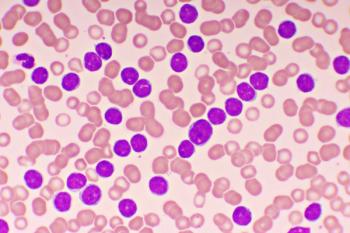
Umoja Biopharma's UB-VV111 gains FDA fast track designation, revolutionizing CAR T-cell therapy for relapsed lymphoma and leukemia patients.
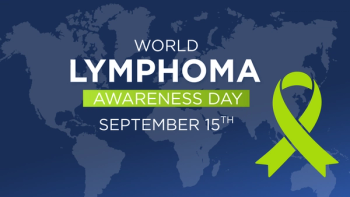
World Lymphoma Day highlights the rising prevalence of lymphoma and innovative treatments, emphasizing the role of pharmacists in patient care.
Advertisement
Advertisement
Trending on Pharmacy Times
1
Combined Cardiometabolic Biomarker Burden Tracks CKM Progression
2
Flu Vaccination Linked to Fewer Severe Outcomes in Older Adults, Fewer ED Visits in Children
3
FDA Approves Awiqli, Once-Weekly Insulin, for Children Aged 10 Years and Older With T2D
4
Kidney Week 2026: What to Know for Nephrology's Biggest Meeting
5