




Neurology
Latest News
Advertisement
Latest Videos




Shorts

0:55
Anti-Amyloid Therapies Create Hope and Complexities in Alzheimer Disease Treatment
4 months ago
by
Josean Gonzalez, PharmD, BCPP(+1 more)

0:38
Tackling Polypharmacy and Access Barriers After a Stroke
4 months ago
by
Aislinn Antrim, Associate Editorial Director(+1 more)

0:57
Pharmacists as a Constant in Stroke Recovery
4 months ago
by
Aislinn Antrim, Associate Editorial Director(+1 more)

0:53
Bridging the Gap After Hospital Discharge
4 months ago
by
Aislinn Antrim, Associate Editorial Director(+1 more)
0:33
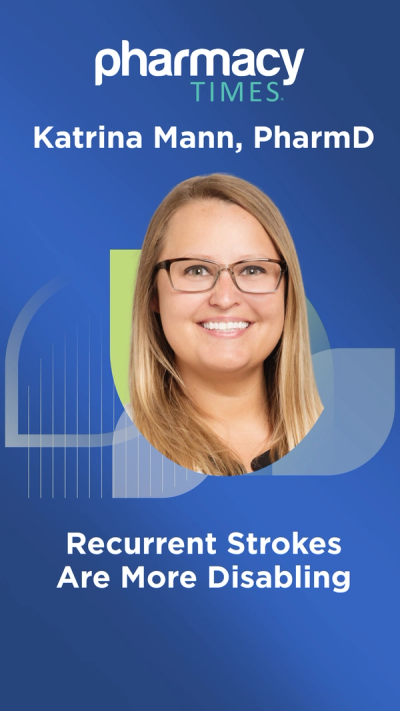
Recurrent Strokes Are More Disabling
4 months ago
by
Katrina Mann, PharmD(+1 more)

0:53
Why Patients Have Recurrent Strokes
4 months ago
by
Katrina Mann, PharmD(+1 more)

1:05
Pharmacists' Vital Role in Stroke Care
4 months ago
by
Katrina Mann, PharmD(+1 more)

0:44
Addressing the Unmet Need in Migraine Prevention
4 months ago
by
Johan Lutman(+1 more)

0:31
Understanding the Link Between Hunger and Brain Health
5 months ago
by
Nour Hammad, MSc, RDN(+1 more)

1:08
Saro's Scripts: Donanemab
5 months ago
by
Saro Arakelians, PharmD
Podcasts
CME Content





















































































Advertisement
More News
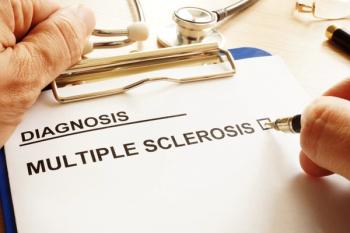
Melissa Seifert, PharmD, of UPMC Health Plan, explains how managed care pharmacists guide DMT selection and address adherence barriers in patients with MS.

CK0803 is an investigational allogeneic cord blood–derived regulatory T-cell therapy designed to target neuroinflammation in amyotrophic lateral sclerosis.

The first single-biomarker blood test is cleared for both rule-in and rule-out of amyloid pathology in primary and specialty care.

The approval is supported by clinical data from 2 studies.

Orzeyful is the first orexin-restoring therapy for NT1, backed by the phase 3 FirstLight and RadiantLight trials.

A 19-protein plasma panel predicted whether and when presymptomatic carriers of ALS-associated pathogenic variants would develop clinically manifest disease more accurately than neurofilament light chain alone.
Agitation associated with Alzheimer disease carries clinical challenges, and Auvelity's approval can reshape treatment selection, safety monitoring, and the pharmacist's role.

Erica Marini, PharmD, MS, BCPS; and Millad Sobhanian, PharmD, BCPS, unpack Auvelity's approval, efficacy data, and safety profile for treating agitation in Alzheimer disease.
The review combines mechanistic and real-world evidence to guide health care professionals through different scenarios in the MS treatment space.

A yearlong trial suggests the tuberculosis vaccine may retrain immune cells in the brain and shift Alzheimer-related biomarkers in older adults without existing pathology.

CGRP drugs and new PACAP targets are reshaping acute and preventive therapy.

The new drug application's submission is supported by data from the phase 3 clinical studies SynAIRgy and LunAIRo.

If approved, AXS-12 would be a potentially valuable new option for a symptom that significantly impairs the daily functioning of those with narcolepsy.

TV-44749 is a subcutaneous long-acting injectable form of olanzapine that is effective in schizophrenia while avoiding risks seen with the intramuscular formulation.
This approval marks the first time patients can begin treatment with home administration either by themselves or their caregiver.

Compared with placebo, adult patients with ADHD and comorbid anxiety had greater change from baseline in AISRS total score at week 8.

The European Commission approved tolebrutinib as the first therapy targeting disability progression in adults with nonrelapsing secondary progressive multiple sclerosis (SPMS).

Gonzelez describes advances in Alzheimer disease diagnostics and disease-modifying therapies and highlights the critical role pharmacists play in medication management, caregiver education, and improving treatment access.

Giants of MS is one of the field’s most prestigious honors, awarded at the 2026 Consortium for MS Centers (CMSC) 2026 Annual Meeting.

At Duke Neurological Disorders Clinic, Jenelle Hall Montgomery, PharmD, BCACP, CPP, isn’t just advising on medications—she’s prescribing them, switching them, and managing the full arc of a patient’s therapy.

Both slow and fast transition periods were safe and effective, with minimal adverse events.

PET scans show long COVID mood and brain fog link to limbic activity, not widespread brain inflammation, reshaping COVID-19 treatment targets.

Subgroup data show ofatumumab sharply cuts relapses, MRI lesions, and neurodamage markers in highly active relapsing MS vs teriflunomide.

Genetic analysis links low vitamin D and earlier menarche to higher AQP4-IgG NMOSD risk, reshaping prevention and sparking calls for diverse studies.

Phase 3 FENhance trial data show CNS-penetrant BTK inhibitor fenebrutinib cuts relapses and MRI lesions in relapsing MS.
Advertisement
Advertisement
Trending on Pharmacy Times
1
FDA Approves Tavapadon, First D1/D5 Agonist for Parkinson Disease
2
CagriSema Tops Tirzepatide 5 mg for Weight Loss in REIMAGINE 5
3
Engineered Stem Cell Therapy Reverses New-Onset T1D in Mice by Reprogramming T Cells
4
CKD Prevalence Unmoved Despite Billions in Virtual Care
5