




Breast Cancer
Latest News

Advertisement
Latest Videos





Shorts

0:22
Pharmacists Play Critical Role in Supporting Patients Receiving Adjuvant Chemotherapy
7 months ago
by
Lee Schwartzberg, MD, FACP(+1 more)
Podcasts




CME Content






























































































Advertisement
More News

Priority review NDA puts oral SERD giredestrant on PDUFA track for ER-positive, HER2-negative breast cancer, after reduced recurrence risk in lidERA trial.
Supported by improved progression-free survival outcomes in the phase 3 ASCENT-03 and ASCENT-04/KEYNOTE-D19 trials, sacituzumab govitecan-hziy received FDA approval as both a monotherapy and combination therapy with pembrolizumab.
The FDA approved palbociclib-based maintenance therapy for HR-positive, HER2-positive advanced breast cancer following a significant progression-free survival benefit in PATINA.

Results from the SERENA-6 trial show that an early switch to the oral selective estrogen receptor degrader camizestrant combined with a CDK4/6 inhibitor improves progression-free survival 2, delays chemotherapy, and preserves quality of life.

Data presented at ASCO 2026 show giredestrant plus palbociclib extends PFS in ER+/HER2– metastatic breast cancer; FDA approval is on the horizon.
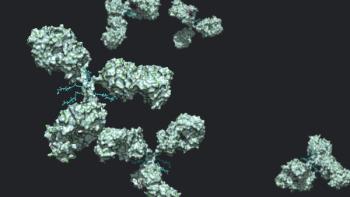
ASCENT-04 updated data show sacituzumab govitecan plus pembrolizumab extends benefit past progression in PD-L1+ metastatic TNBC.

Emerging evidence links GLP-1 receptor agonists to improved breast cancer outcomes and the growing importance of metabolic health in survivorship care.

The approval is supported by data from the phase 3 TROPION-Breast02 trial.

The FDA approved 2 new indications for fam-trastuzumab deruxtecan-nxki in HER2-positive early-stage breast cancer, expanding its use in both neoadjuvant and adjuvant settings.
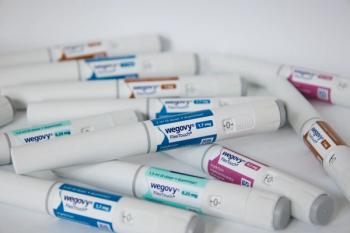
A new JAMA study links GLP-1s like Wegovy, Ozempic, Zepbound, and Mounjaro to better breast cancer survival, lower recurrence, and weight loss benefits.

Phase 3 findings from the VIKTORIA-1 trial demonstrated clinically meaningful progression-free survival improvements with gedatolisib-based regimens in patients with PIK3CA-mutant HR+/HER2– advanced breast cancer.

Study data show that extended endocrine therapy after 5 years reduces late recurrence in premenopausal breast cancer, with benefits varying by tumor subtype.


New NCCN updates make sacituzumab govitecan a preferred first-line option in metastatic TNBC. Jordan Hill, PharmD, BCOP, explains the impact.


AACR data show tumor molecular profiling finds actionable PIK3CA in breast and colorectal cancer, while ctDNA adds real-time monitoring in oncology.

There is an increasing interest in de-escalation strategies for HER2-positive breast cancer aimed at decreasing toxicity exposure while maintaining efficacy.

Air pollution exposure, particularly fine particulate matter and ozone, may worsen cardiac outcomes in patients with breast cancer receiving cardiotoxic therapies.

A pharmacist's guide to the most common cancer myths circulating online.

Circulating tumor DNA detected after neoadjuvant therapy may serve as a powerful biomarker for minimal residual disease and help predict breast cancer recurrence.
Kelly Gable, PharmD, shares how empathy, presence, and practical guidance can transform patient experiences beyond the medication plan.
Survivor and pharmacist Kelly Gable, PharmD, BCPP, FAAPP, explains the overlooked challenges shaping patients’ day-to-day lives.
New data, emerging targets, and evolving ADC use are reshaping second-line decisions.

Pharmacists guide HR+ breast cancer CDK4/6 therapy, tackling interactions, costs, and toxicity monitoring, and applying new clinical trial insights.
CDK4/6 inhibitor therapies must by tailored by comorbidities, interactions, cost, and coordinated labs with pharmacist expertise to support high-risk patients.
Advertisement
Advertisement