

Emerging therapies, AI, and patient-centered approaches are reshaping cardiovascular pharmacy.
Emerging therapies, AI, and patient-centered approaches are reshaping cardiovascular pharmacy.
Artificial intelligence is emerging as a vital tool for pharmacists in cardiovascular care—supporting clinical decisions, patient education, and adherence while maintaining guideline alignment.
Despite persistent gaps in cardiovascular risk management, pharmacists are proving essential in improving LDL control, guiding statin use, and supporting evidence-based care across clinical settings.
Pharmacists have become central to titration, access, patient education, and logistics as GLP-1 use grows and cardiometabolic management evolves.
Experts discuss guideline adoption, therapeutic advances, and team-based care.
Experts discuss practice expansion, guideline updates, and team-based care.
Sheryl L. Chow, PharmD, outlines the pharmacist's evolving role in cardiovascular prevention, heart failure management, and medication adherence during American Heart Month and beyond.
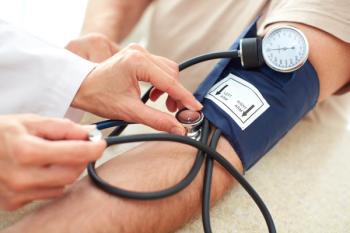
Awareness of the nonlinear response helps ensure patients are treated with the least intensive regimen that achieves meaningful control while minimizing harm and improving long-term therapeutic success.
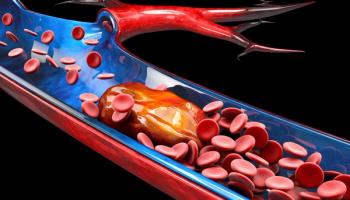
The guideline establishes a novel clinical classification framework and recommends direct oral anticoagulants over vitamin K antagonists for eligible patients.

Experts Craig Beavers and Kristen Campbell discuss what pharmacists should know heading into ACC 26.
Sarah Nelson, PharmD, highlights how pharmacists are uniquely positioned to prevent heart disease by identifying cardiovascular risk early, improving medication adherence, and addressing lifestyle and social factors.
Host Craig Beavers explores why US blood pressure control still lags despite proven treatments.

Sarah Nelson, PharmD, explains how pharmacists can simplify cardiovascular treatment regimens through personalized education, shared decision-making, and cross-sector collaboration to improve adherence and close care gaps in heart disease prevention.

Pharmacists drive American Heart Month action by improving adherence, prevention, and equity.
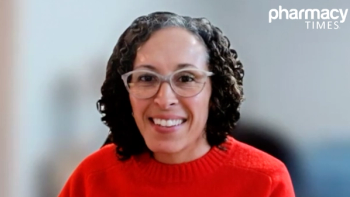
During American Heart Month, Sarah Nelson, PharmD, highlights how pharmacists can leverage frequent patient interactions, risk assessment tools, and medication optimization strategies to reduce cardiovascular risk.
On Chen, MD; and Tahmid Rahman, MD, join Pharmacy Focus to discuss the world's first commercial administration of plozasiran at Stony Brook Medicine.
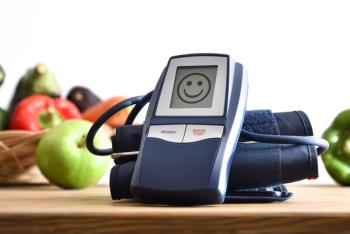
Key updates include treatment thresholds, dietary recommendations, and management strategies.
Experts say SMS-based engagement tools can help pharmacists improve medication adherence and reduce hospital readmissions by addressing common patient barriers such as forgetfulness and cost.

Updated guidelines on PA call for expanded screening, treatment, and monitoring, creating opportunities for pharmacists to screen all patients with hypertension.
Cardiotoxic signals released from the kidneys may drive cardiovascular risk in patients with chronic kidney disease, opening the door to earlier detection and targeted treatment.
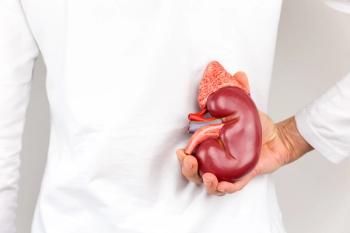
Patients with chronic kidney disease (CKD) send miRNA extracellular vesicles to the heart, contributing to the pathogenesis of heart failure.

The short message service (SMS) text reminders were targeted toward vulnerable patient populations and consequently reduced rates of readmission to the hospital.
Ann Marie Navar, MD, PhD, explains how enlicitide decanoate delivers LDL-C reductions comparable with injectable PCSK9 inhibitors, which could improve access to nonstatin therapy for patients not at goal.
In this episode, we break down the genetics, diagnosis, and clinical impact of HCM, explore how management strategies have evolved, and discuss the emerging role of cardiac myosin inhibitors in treating obstructive disease.

Ali Dehghani, DO, highlights that shingles vaccination not only prevents rash but is also associated with lower risks of major cardiovascular events, dementia, and mortality, underscoring pharmacists’ role in patient counseling and preventive care.

Discover how the new PREVENT equations enhance cardiovascular risk assessments, improving patient screenings and prevention strategies for diverse populations.
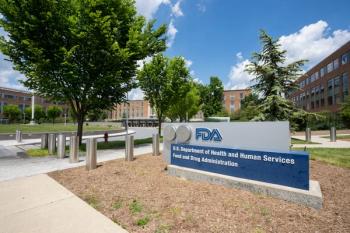
The vouchers are intended to speed up review times for drugs that could fill key unmet needs for Americans.
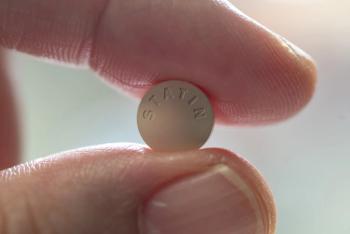
Patients with type 2 diabetes (T2D) who initiated statins experienced reductions in major cardiovascular disease (CVD) and mortality across a spectrum of predicted 10-year risk.
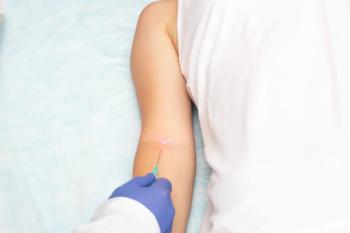
Intravenous laser irradiation of blood shows promise in lowering triglycerides and improving lipid profiles in patients with dyslipidemia.

There are evolving recommendations for aspirin use, including optimal drug dosages and patient selection for effective cardiovascular prevention.