The screening we use is the FIB-4 index. We're looking for fat and fibrosis, and the FIB-4 works through the liver enzymes—AST [aspartate aminotransferase], ALT [alanine aminotransferase], platelets, and age, which I don't like to talk about, but it does play a factor. A pharmacist could quickly bring up one of the FIB-4 calculators on their phone and, if they have these parameters and labs from the patient, calculate the risk. The sooner we diagnose, the better chance that person has of getting the care and treatment they need to reduce the fat in the liver before it damages the liver.
Pharmacy Times: Which diabetes and weight-management medications currently have the strongest evidence for MASLD benefit, and how should pharmacists weigh them?
Key Takeaways
- Screen the at-risk. Obesity, prediabetes or type 2 diabetes, high blood pressure, and dyslipidemia should trigger MASLD screening, with the FIB-4 index (AST, ALT, platelets, and age) as a fast pharmacist tool.
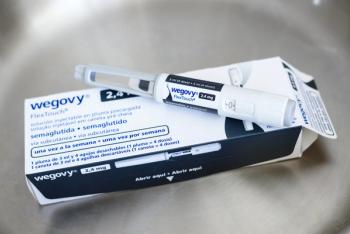
- Know the approved options. High-dose semaglutide and resmetirom are approved for MASH with fibrosis; semaglutide also offers overlapping glucose, weight, cardiovascular, and kidney benefits.
- Pair drugs with lifestyle. Medications are added to lifestyle, not a magic pill—counsel on diet, activity, storage, technique, and realistic expectations and refer out when needed.
Cornell: Right now, there are 2 drugs approved for MASH, where liver damage is already occurring and there is fibrosis. From a diabetes perspective, that's high-dose semaglutide—what’s used in weight loss—and then resmetirom. Those are the 2 drugs currently available to treat liver damage where there is F2 or F3 fibrosis.
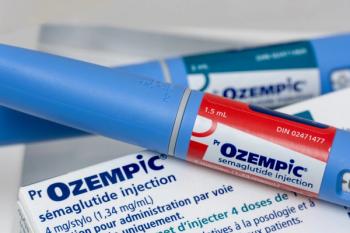
Now, what about just the fat in the liver? The best way to address that is to reduce your weight, exercise, and eat healthy foods. But we know many of the drugs to treat obesity and T2D help with weight loss. Semaglutide is a good drug that we can double-dip with: we can get glucose lowering, weight loss, cardiovascular protection, kidney protection, and liver protection. If we can double-dip, great. Drugs that are not FDA-approved but are commonly used in liver disease are pioglitazone [Actos; Takeda Pharmaceuticals], a thiazolidinedione. I'm sure folks are asking, "What? I thought those were taken off the market." But if we think about it, pioglitazone is literally exercise in a pill. I'm not kidding. When they were still brand-name and a patient was put on pioglitazone, they'd say it was so expensive, and I'd ask, "Have you tried the natural?" And they'd say, "Oh, give me the natural." I'd say, "It's called exercise, and it's free. Go out for a walk. Take the stairs instead of the escalator. If you're limited, do chair exercises." Any type of physical activity beyond your daily activities can improve the fat in the liver, and that's why pioglitazone helps—it’s improving the fat in the liver.
Now you're going to ask about sodium-glucose cotransporter 2 inhibitors. Yes, because they cause some weight loss, there could be a benefit, and we know there's fat going on in the kidney as well, so there could be a benefit. But nothing's proven yet; clinical trials are ongoing. So right now, the drug we can double-dip with is semaglutide, and I don't want to underscore resmetirom, because once we have liver damage, it is approved for that liver damage part.
Pharmacy Times: How can pharmacists integrate lifestyle counseling with pharmacotherapy without overwhelming the patient?
Cornell: This is something we talked about at this session, and I was fortunate to present with a dietitian, Kathy Warwick, RDN, CDCES, who is currently the president of the diabetes practice group within the Academy of Nutrition and Dietetics. Kathy's phenomenal, and it's the approach of pharmacists working with dietitians that can make a difference.
No. 1, very simply: Maybe you have a pharmacist or a pharmacy technician who isn't comfortable talking about lifestyle. Perfectly fine; have a dietitian on your referral list. You can tell the patient, "Go see this dietitian; they will help you." We don't have to take on that burden ourselves. That said, some simple things we can do: Just remind people that drugs never replace lifestyle—drugs are always added to lifestyle. If someone is going to take semaglutide, another glucagon-like peptide-1 (GLP-1) or one of the dual glucose-dependent insulinotropic polypeptide (GIP)/GLP-1 receptor agonists, and they think they take the medicine and the pounds melt right off, they're mistaken. That's a myth. The medicine is added to the lifestyle. If they're not changing their eating habits, not eating healthy foods, not getting physical activity, not getting good-quality sleep, not reducing stress, or not quitting smoking—the drug can't do all the work. It isn't a magic pill; it's added to help lifestyle improvement.
So what can pharmacists do? Remind patients that drugs are added and that any increase in physical activity can make a difference, along with healthier food choices. I was fortunate that when I worked in a grocery store community pharmacy, I could do a shopping tour—take the person down the aisle and say, "Let's read some food labels." We want to avoid ultraprocessed foods, because ultraprocessed foods and high-sugar beverages are what contribute to the fat in the liver. If you have a person who drinks 6 or 7 cans of Coca-Cola a day, maybe if we can get them down to 4, it's enough to start saving the liver. Simple baby steps can make a difference.
Pharmacy Times: Where do pharmacists fit within the interdisciplinary team caring for patients with MASLD?
Cornell: To me, as pharmacists, we are the drug information experts. Something pharmacists need to realize is: Don’t make the presumption the patient knows how to take the medicine correctly, or at the right time, to get the best effect with the least amount of side effects. One of the things we want to do, especially with the GLP-1 or dual GIP/GLP-1 agents, is check whether their injection technique is appropriate or, if they're taking an oral medication, whether they're taking it correctly.
Is the medication stored where it should be—in the bottle or in the fridge? Little things like that make a difference. How many times will patients take their oral GLP-1 agent and put it in a pillbox? That degrades the quality of the pill; it needs to stay in its packaged container. And injectables—how many people take them out of the fridge? An unopened pen should be stored in the fridge, but many people just bring it home from the pharmacy and put it on the counter. We're making sure storage is appropriate, injection or oral administration technique is appropriate, and the person is familiar with the side effects. Because if they get nausea or vomiting, they may just stop taking it, not realizing that's telling you the drug's working.
The other big thing is that people think they take the pill or injection, and the pounds melt away. They may see good results early on, but then they plateau and say, "It's not working anymore." As a pharmacist, if you're not comfortable addressing that, refer them to a dietitian or a weight-management clinic where we know they'll get the support they need. The pharmacist's role, at a bare minimum, is: Is it the right drug? Are they taking it correctly? And do they know what to expect? And at an advanced level, referring out when it's beyond their limitations.
Pharmacy Times: Is there anything else that you would like to add?
Cornell: Pharmacists underestimate their value. I know we're busy—I get it—but at the same time, that patient is looking to us for help, and 30 seconds of your time, preferably a minute or more, can make a difference in the life of a person with diabetes or liver disease or weight-management issues. In a way, we're almost teaching the patient to come to us with their questions. We're often the unsung heroes; we're forgotten about. How many times do patients say, "Oh, well, you're so busy; I didn't want to bother you"? No, please bother me. That's what I'm here for. My job is to help that person. I think it's for pharmacists to recognize how valuable they are to people with diabetes, liver disease, kidney disease, and weight-management issues and to take that opportunity to help that person live a good quality of life—and maybe we can prevent some of these problems.