Key Takeaways
- Screen using risk factors and the FIB-4 index.
- Know the 2 approved MASH options.
- Frame off-label and investigational agents carefully.
From double-dipping GLP-1s to off-label pioglitazone, Susan Cornell, PharmD, breaks down where the metabolic dysfunction-associated steatotic liver disease (MASLD) drug evidence stands today.
In an interview with Pharmacy Times, Susan Cornell, PharmD, CDE, FAPhA, FAADE, associate director of experiential education and an associate professor of pharmacy practice at Midwestern University Chicago College of Pharmacy, discussed insights from her presentation at the 2026 Association of Diabetes Care and Education Specialists Annual Meeting in Columbus, Ohio. The presentation, titled “Optimizing MASLD Treatment: The Power of Medications Plus Lifestyle Strategies,” highlighted how pharmacists can identify metabolic dysfunction-associated steatotic liver disease (MASLD) and weigh the medications used to treat it.
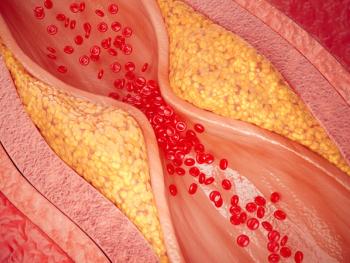
Cornell explained that MASLD—fat accumulation in the liver—is often silent, and that the clinical goal is to both reduce liver fat and prevent the inflammation and fibrosis that progress to metabolic dysfunction-associated steatohepatitis (MASH). Because fat drives inflammation, she noted that obesity, particularly central adiposity, is a central concern and that hepatocytes filled with fat can eventually balloon and burst, setting the stage for fibrosis.
She outlined the risk factors that should prompt a pharmacist to act: obesity, prediabetes or type 2 diabetes, high blood pressure, and dyslipidemia, such as high triglyceride or low high-density lipoprotein levels. Cornell pointed to the FIB-4 index, which incorporates aspartate aminotransferase, alanine aminotransferase, platelets, and age, as a fast, accessible screening tool that a pharmacist can calculate on a phone, emphasizing that earlier diagnosis gives patients a better chance to reverse liver fat before damage occurs.
On pharmacotherapy, Cornell identified high-dose semaglutide (Wegovy HD; Novo Nordisk) and resmetirom (Rezdiffra; Madrigal Pharmaceuticals) as the 2 options approved for MASH with F2 or F3 fibrosis. She described semaglutide as a medication pharmacists can "double-dip" with, delivering lower glucose, weight loss, and cardiovascular, kidney, and liver protection. She characterized pioglitazone (Actos; Takeda Pharmaceuticals) as an off-label "exercise in a pill" that improves liver fat, while cautioning that sodium-glucose cotransporter-2 inhibitors remain unproven for MASLD, with clinical trials ongoing. Throughout, Cornell reinforced that reducing weight, exercising, and eating healthy foods remain the foundation for addressing liver fat, with medications layered on top rather than as a substitute for lifestyle change. For pharmacists, the takeaway is a clear, evidence-based framework for screening and drug selection.