
Experts from the NEIAP 2026 Annual Forum share how pharmacists are driving hypertension, lipid, cardiorenal, obesity, and CDTM care as primary clinical decision-makers.

Jennifer Goldman, PharmD, CDCES, BC-ADM, FCCP, is a professor of pharmacy practice at the Massachusetts College of Pharmacy and the director of cardiometabolic services at Well Life Medical in Peabody, Massachusetts.
Experts from the NEIAP 2026 Annual Forum share how pharmacists are driving hypertension, lipid, cardiorenal, obesity, and CDTM care as primary clinical decision-makers.
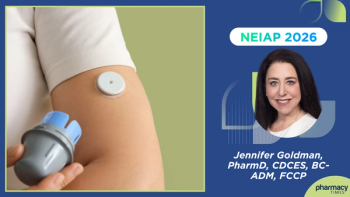
With a dual glucose-ketone monitor now available, pharmacists must interpret the data and give patients a clear DKA action plan, Goldman says.
The strongest antiobesity medication candidates are chosen by overall health and comorbidities like heart failure, CKD, and sleep apnea, not weight alone.

Pharmacist Jennifer Goldman on why expectation-setting, GI counseling, and nutrition drive glucagon GLP-1 persistence and long-term success.
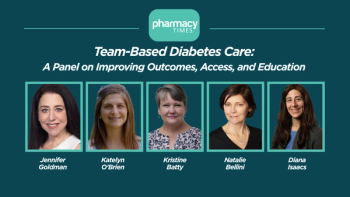
A panel of pharmacists and nurse practitioners discussed how interdisciplinary diabetes teams divide technology education, medication management, and follow-up care.

In addition to the upcoming Annual Forum in September, New England Institute of Ambulatory Care Pharmacists (NEIAP) provides practical education and networking opportunities to support ambulatory care pharmacists.

Jennifer Goldman, PharmD, RPh, CDCES, BC-ADM, FCCP, shares the history and mission of NEIAP and explains how the organization provides practical education and networking opportunities.

As these tools continue to move into mainstream diabetes management, it is increasingly important that pharmacists have proficiency.

Understanding this rapidly evolving therapeutic landscape will be essential as obesity pharmacotherapy continues to transform diabetes and cardiometabolic care.

Identifying high-risk patients, optimizing lipid-lowering therapy, and helping patients achieve evidence-based targets remain critical to improving cardiovascular outcomes.

The ADA Scientific Sessions highlighted important advances across the diabetes treatment landscape.

As retatrutide moves toward FDA submission, Jennifer Goldman, PharmD, breaks down the TRIUMPH-1 data—and what they mean for patient selection, dose escalation counseling, and positioning within the antiobesity pipeline.
Jennifer Goldman, PharmD, CDCES, BC-ADM, FCCP, discusses how continuous glucose monitoring (CGM) technology and automated insulin delivery systems are transforming pharmacists’ roles.
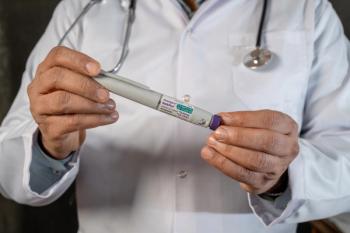
Rapid insulin discontinuation occurred with tirzepatide 2.5 mg weekly in long-standing type 2 diabetes, demonstrating a low-dose responder phenotype and pharmacist-led CGM-guided deprescribing.

Pharmacists help connect patients with the correct resources and help remove barriers so patients can receive continuous care.

Pharmacists can educate patients and health care professionals in addition to coordinating lab orders, interpreting results, and guiding patients through the next steps.
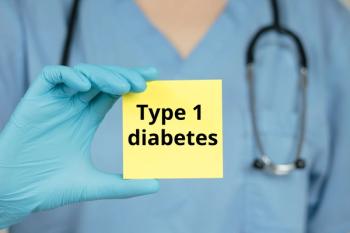
Jennifer Goldman, PharmD, CDCES, BC-ADM, FCCP, explains the different stages of type 1 diabetes, teplizumab’s use, and emphasizes the pharmacist’s role in care.

Jennifer Goldman, PharmD, CDCES, BC-ADM, FCCP, discusses the expanding role of GLP-1 receptor agonists in holistic type 2 diabetes care, highlighting their cardio-renal-hepatic benefits, clinical access challenges, emerging investigational therapies, and practical strategies for individualized, guideline-based prescribing.

The 2025 National Lipid Association (NLA) Scientific Sessions highlighted a strategic shift toward early, aggressive cardiometabolic intervention, underscoring the vital role of pharmacists in implementing emerging therapies and optimizing cardiovascular risk reduction.

Pharmacists can help oversee the treatment process to ensure patients with transthyretin amyloid cardiomyopathy (ATTR-CM) are adhering to tafamidis.
Ready-to-use glucagon simplifies hypoglycemia rescue by providing easy-to-use options for patients and caregivers.
Experts discuss the low prescription rates of ready-to-use glucagon for individuals with diabetes.
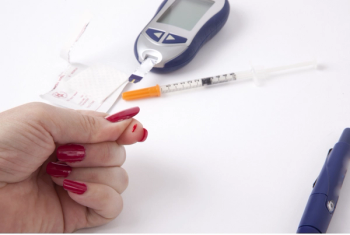
Guidance on the use of basal insulins (BI) and insulin pens to enable pharmacists to answer questions regarding the safe and effective use of BI for the management of diabetes.

The capecitabine and warfarin interaction is well documented in the literature and has earned a black box warning because of its potential severity.

Pharmacists are continuing to expand their role as health care providers with more direct patient care opportunities. Pharmacists working under the supervision of a physician can provide an annual wellness visit, which is an exam that focuses on the patient’s health, allowing them the opportunity to develop a personalized approach to health care and disease prevention.
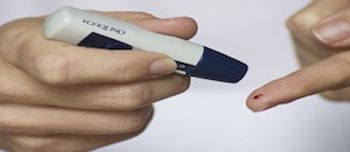
Diabetes is a chronic condition characterized by hyperglycemia, because of reduced insulin secretion from the pancreas and/or insulin resistance.

Ninety percent of diabetes cases are type 2, which is a major cause of morbidity and mortality.

Learn how pharmacists overcome insulin barriers in type 2 diabetes, comparing basal insulin options, emerging therapies, retail adherence challenges, and dosing errors.
September 12th 2026

September 20th 2026