At the 2026 New England Institute of Ambulatory Care Pharmacists (NEIAP) Annual Forum, Jennifer Goldman detailed how monitoring data drive engagement—and how a new dual sensor readies pharmacists for ketone alerts.
The integrated CGM is now indicated for individuals 2 years and older who do not use insulin.
The FDA cleared the Dexcom Stelo Glucose Biosensor system as the first OTC continuous glucose monitor (CGM) indicated for children. The integrated CGM (iCGM) is now indicated for individuals 2 years and older who do not use insulin. Stelo was originally cleared in 2024 for adults 18 years and older, and no other OTC CGM is indicated for the pediatric population.1,2
The clearance comes amid mounting concern about glucose dysregulation in children. A CDC report found an estimated 8.4 million adolescents aged 12 to 17 years—approximately 32.7%—have glucose levels in the prediabetes range. Prediabetes is increasingly impacting children in the US, placing millions at heightened risk for progressing to type 2 diabetes (T2D). The FDA noted that OTC CGMs can play a critical role in addressing this public health concern by providing real-time glucose data to help pediatric patients and their caregivers track patterns in response to meals and exercise.1,3
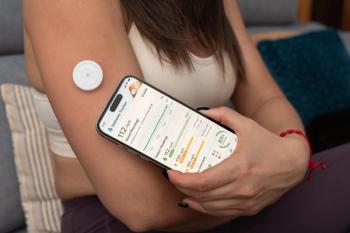
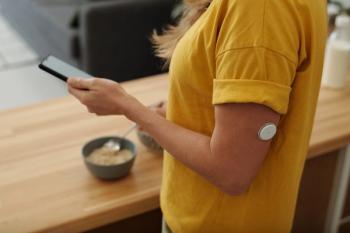
The Stelo Glucose Biosensor system uses a wearable sensor paired with an application installed on a compatible smartphone—including a parent's or caregiver's smartphone—to continuously measure, record, analyze, and display glucose values and trends every 15 minutes. Each sensor lasts up to 15 days before replacement. The clearance relied in part on the FDA's use of real-world evidence, combining prior clinical study data from pediatric and adult populations with real-world data on current iCGM use—providing insight into expected device performance across the full 15-day wear period without requiring a dedicated pediatric trial.1,2
Pharmacists will be on the front lines when caregivers pick up the Stelo off the shelf, making medication review a critical first step. Experts emphasize that identifying the right pediatric patient is essential before recommending the device.
"Pharmacy teams should frame Stelo as a trend and behavior insight tool, not a replacement for pediatric diabetes care," Jennifer Goldman, PharmD, CDCES, BC‑ADM, FCCP, professor of pharmacy practice at Massachusetts College of Pharmacy and Health Sciences, and clinical pharmacist at Well Life, said in an interview with Pharmacy Times. "It is appropriate for children [2 years of age or] older who are not using insulin, such as some children with prediabetes; early T2D managed without insulin; or families [who are] trying to understand how meals, activity, sleep, and routines affect glucose patterns."
Medication review at the point of sale is equally critical. "Children with new-onset T2D are often quicker to need insulin, so it's important for a pharmacist to ask if the person is taking insulin or a sulfonylurea," Diana Isaacs, PharmD, BCACP, BC-ADM, CDCES, FADCES, FCCP, endocrine clinical pharmacy specialist and director at the Cleveland Clinic Endocrinology & Metabolism Institute, said in an interview with Pharmacy Times. "Since these drugs can cause hypoglycemia, a prescription device that has alerts for low glucose would be preferred over the Stelo. However, if the child is being managed with lifestyle or taking a medication that does not cause hypoglycemia—like a [sodium-glucose cotransporter 2] inhibitor, [glucagon-like peptide-1] agonist, or metformin—the Stelo can be a great option to monitor glucose levels and avoid fingersticks."
Pharmacists should also be aware of where the product is sold. "Only certain pharmacies may actually have this on the shelf," Issacs noted. "Pharmacists should be aware that these products can also be purchased online, such as from Amazon or
The FDA noted that sensor wear time may be shorter in pediatric users than in adults due to physiological and behavioral factors. Pharmacists should prepare caregivers for this reality.
"I would counsel caregivers that the sensor is designed for up to 15 days of wear, but real-world wear may be shorter in children because kids are more active, may bump or pull at the sensor, sweat more during play, or have adhesion challenges," Goldman said. "Families should be prepared for earlier replacement, should follow the application instructions carefully, and should watch for skin irritation, discomfort, or signs of local infection."
"It's important to counsel on this so people are not surprised it may be less likely to make it the full 15 days in kids," Issacs added. "Stelo reports can be viewed in Dexcom Clarity and shared with the child's care team. However, unlike the prescription device, there is not a follow app—so caregivers will not be able to see the readings in the moment like they could with the Dexcom G7."
The absence of hypoglycemia alerting is the most critical safety distinction pharmacists must communicate. "The most important safety message is that Stelo does not function like a prescription CGM with hypoglycemia alerts," Goldman said. "It should not be used for a child [who is] at risk for clinically significant lows or for anyone who needs alarms to prevent hypoglycemia. If the child has symptoms of low or high glucose, caregivers should not ignore symptoms because the app looks reassuring. They should confirm with a blood glucose meter when readings do not match symptoms and seek medical advice when appropriate."
The system is not for people with problematic hypoglycemia, as it is not designed to alert users when this potentially dangerous condition occurs. It is also not for people on dialysis, and those with a history of disordered eating should consult their health care provider before use.1
Beyond medication monitoring, the Stelo presents a broader coaching opportunity. "The Stelo offers a great opportunity to see the impacts of different foods and physical activity on glucose levels," Issacs said. "The pharmacist could educate the person on how to take pictures of their food and use that in the app to see the patterns of how their glucose is affected. This may also be a great tool for children with obesity."
Dexcom currently sells Stelo sensors in packages of 2 at approximately $89 to $99 per month, depending on whether users subscribe.2