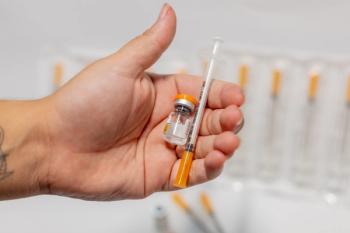
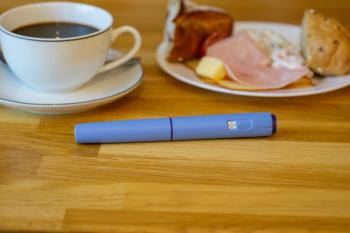
A large international trial comparing long-acting insulin glargine with older human insulins in children and young adults with type 1 diabetes (T1D) found no early advantage for the newer formulation, but a longer view of the data suggests meaningful benefits may emerge over time in low-resource care settings. The findings, from the HumAn-1 trial (NCT05614089), were published in The Lancet Diabetes & Endocrinology on July 6, 2026.1,2
The randomized, open-label trial randomized 400 participants aged 7 through 25 across 3 sites in Bangladesh and Tanzania, assigning them 1:1 to glargine (Basaglar; Eli Lilly and Company) or to continued usual care with isophane insulin (neutral protamine hagedorn [NPH]) or premixed 70/30 insulin for basal coverage. At 6 months, using blinded continuous glucose monitoring, investigators found no statistically significant differences between groups in the co-primary outcomes: time spent in a very low glucose range (below 54 mg/dL) or time in target range (70-180 mg/dL). Adjusted mean differences were 0.22% for time in the very low range (97.5% CI, –0.83 to 1.27; P = .63) and 0.55% for time in the target range (97.5% CI, –2.78 to 3.89; P = .71).1,3
About the Trial
Trial Name: Human Versus Analogue Insulin for Youth With Type 1 Diabetes in Low-Resource Settings (HumAn-1)
ClinicalTrials.gov ID: NCT05614089
Sponsor: The Leona M. and Harry B. Helmsley Charitable Trust
Completion Date: March 19, 2025
Benefits Emerged Later in Follow-Up
Although the 6-month data showed no clear separation between arms, longer follow-up told a different story. At 12 months, participants assigned to glargine spent less time in dangerously low glucose ranges and experienced fewer nocturnal hypoglycemic events compared with those receiving usual care. Researchers reported no meaningful differences at 12 months in overall time in range, HbA1c, diabetic ketoacidosis, or rates of severe or symptomatic hypoglycemia between groups.2
Jing Luo, MD, MPH, associate professor of medicine at the University of Pittsburgh Department of Medicine and study author, said in an exclusive interview that despite overall glycemic control being similar, “patients who switch to glargine may require fewer injections or a slightly lower total daily insulin dose compared with twice-a-day NPH to achieve the same HbA1c.”
The lack of injections with glargine insulin is one of multiple factors that may influence adherence and burden for patients and caregivers, especially in resource-limited health systems.
Serious adverse events were infrequent in both arms at 6 months, with 6 events among 5 of 199 (3%) glargine-treated participants versus 14 events among 13 of 201 (6%) usual-care participants.1