





Infectious Disease
Latest News
Advertisement
Latest Videos






Shorts

0:48
Inside the LIBERTY Study: Testing mRNA Vaccination and Monoclonal Antibodies Side by Side
4 days ago
by
Michael Mina, MD, PhD(+1 more)

1:51
How Hantavirus Spreads and How to Protect Patients
4 months ago
by
Saro Arakelians, PharmD(+1 more)

0:58
What Makes One Antimicrobial Strategy More Effective?
5 months ago
by
Ashlan J. Kunz Coyne, PharmD, MPH(+1 more)

1:14
Vaccines Are the Best Way to Reduce Antibiotic Use
5 months ago
by
Tho Pham, PharmD, BCIDP(+1 more)

1:19
Pneumococcal Disease Insights: Why Vaccination Matters
5 months ago
by
Luke Halpern, Associate Editor

1:16
The Truth About Vaccine Preservatives and Safety
7 months ago
by
Sharon Nachman, MD(+1 more)

0:46
Top Story of the Week: Nipah Virus Outbreak
8 months ago
by
Luke Halpern, Associate Editor(+1 more)

0:38
Changes to HPV Vaccine Guidance Could Be Problematic for Cancer Prevention
8 months ago
by
Jeff Goad, PharmD, MPH(+1 more)
0:46
Why the US' and Denmark's Vaccine Schedules Aren't Comparable
9 months ago
by
Jeff Goad, PharmD, MPH(+1 more)
0:50
What Changes Were Made to the Childhood Immunization Schedule?
9 months ago
by
Jeff Goad, PharmD, MPH(+1 more)
Podcasts


CME Content
























































































Advertisement
More News

Pharmacists can help overcome influenza vaccine hesitancy by correcting common misconceptions, routinely asking every patient about vaccination, and leveraging their standing as trusted health care professionals.

Marie-Claire Seeley, PhD, MNurs, RN, discusses standing tests, medication review, and what inflammatory findings may mean for future POTS treatment.

Researchers found substantial overlap in autonomic symptoms, orthostatic tachycardia, and functional impairment between long COVID and POTS.

Influenza Vaccines Continue to Reduce Severe Disease and Death Across High-Risk Groups, Evidence Review Finds
Published: | Updated:
A review of 69 studies finds influenza vaccines continue to reduce hospitalization and death, with no new safety concerns.

Authors of a pharmacist-directed transitions-of-care study discuss what drives pneumococcal vaccine hesitancy and how pharmacists can build systematic vaccine screening into inpatient workflows.

Most patients screened by a hospital pharmacist–led transitions-of-care service had unmet pneumococcal and other vaccine needs, and most accepted vaccination when offered.

The data help pharmacists predict who will react strongly to mRNA vaccines—giving them a science-backed talking point during respiratory season.

CDC-recommended adult vaccination programs for pneumococcal disease, RSV, influenza, and COVID-19 prevent over 182,000 deaths and generate up to $12 in societal value for every $1 spent.

Pharmacists play a key role in guiding age- and risk-based vaccination decisions to protect against invasive and noninvasive disease.

Peer Reviewed
Gepotidacin and zoliflodacin show comparable efficacy to standard care for urogenital gonorrhea, offering promising alternatives given the recent rise in antimicrobial resistance.

Peer Reviewed
Long-term use of PPIs—and, to a lesser degree, histamine 2 receptor antagonists—may increase the risk of bacterial infections, including C difficile and pneumonia, underscoring the need for pragmatic prescribing.

With childhood immunization rates sliding and outbreaks accelerating, pharmacist-led counseling and vaccine administration can boost vaccination rates.

A Danish registry study found that COVID-19 infection was linked to a lower, not higher, risk of subsequent type 1 diabetes (T1D) in unvaccinated individuals younger than 30 years.
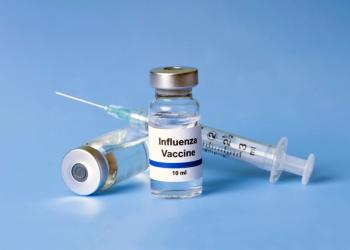
A high-dose vaccine cut hospitalizations for flu, pneumonia, and cardiorespiratory disease in older adults with asthma, COPD, and other chronic lung conditions.

Long-lived monocyte-derived cells in the lung help sustain tissue-resident memory T cells after influenza infection, and researchers say the discovery could inform more effective nasal flu vaccines.

Pediatric and obstetric groups expand high-risk criteria and extend vaccination windows as federal vaccine guidance remains unsettled.

A subsequent dispute between state and federal officials over the deaths' classification has thrust the state into the center of a national vaccine policy fight.

IPD survivors face years of sharply elevated recurrence risk, yet vaccination remains low.
FDA Approves XFG-Adapted COVID-19 Vaccine, mRNA for the 2026-2027 Season
Published: | Updated:
The updated formula targets the JN. 1-lineage XFG variant and begins shipping immediately to pharmacies, hospitals, and clinics nationwide.

Investigators say the nanoparticle candidate's speedy manufacturing process and slow-mutating target could reshape how the field responds to emerging flu strains.

The FDA has expanded the approval of dolutegravir expands access to a second-generation integrase inhibitor for infants in the neonatal period.

A lesser-known viral protein may drive both the hyperinflammation and vascular damage seen in severe and long COVID-19.

Night shift and insomnia may triple long-COVID risk; learn how chronic insomnia and long-COVID links affect health workers and prevention.

As case counts rise in the current outbreak, pharmacists must be prepared to counsel patients regarding management, including pediatric patients who require unique considerations.

Findings published in Lancet Child & Adolescent Health arrive as a new US executive order shifts rotavirus vaccination to shared clinical decision-making.
Advertisement
Advertisement