




Multiple Myeloma
Latest News
Advertisement
Latest Videos





Shorts

0:46
"Getting Closer" to Improved Outcomes and Reimagined Treatment Approaches in Multiple Myeloma, Expert Says
a year ago
by
Gillian McGovern, Editor(+1 more)

0:36
Novel Immunotherapy Combinations Can Be Practice-Changing
a year ago
by
Gillian McGovern, Editor(+1 more)

1:23
Reimagining Multiple Myeloma Research to Focus on Patients and Quality of Life
a year ago
by
Gillian McGovern, Editor(+1 more)
Podcasts




















































































Advertisement
More News
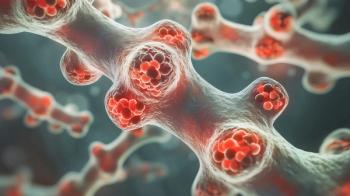
Data showed that talquetamab combined with daratumumab, with or without pomalidomide, significantly improved PFS, OS, response rates, and MRD negativity.
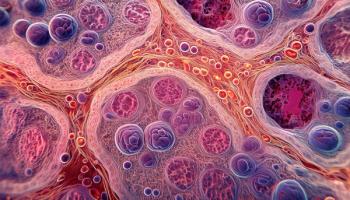
FDA clears teclistamab plus daratumumab after first relapse, delivering striking PFS gains—plus practical tips to manage CRS, ICANS, and infections.

Time to next treatment (TTNT) is an emerging real-world end point in CAR T-cell therapy that reflects treatment durability, clinical outcomes, and health care system factors beyond traditional efficacy measures.

Infection following CAR T-cell therapy is a common and clinically significant complication driven by prolonged immune dysregulation, cytopenias, and hypogammaglobulinemia, requiring phase-based risk awareness and proactive preventive management across the treatment continuum.
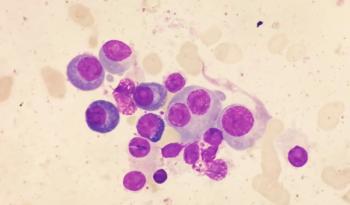
Elranatamab monotherapy produced a 92% overall response rate and a 45% complete response rate in patients with high-risk smoldering multiple myeloma, supporting the potential of BCMA-directed bispecific antibody therapy as an early intervention strategy before progression to active disease.
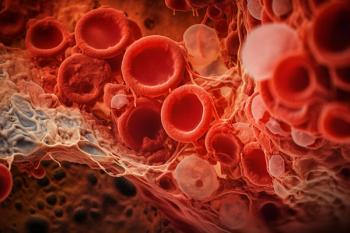
IDEAL trial data show iberdomide quadruplet therapy drives high response rates and rising MRD negativity in newly diagnosed multiple myeloma.

Phase 3 MajesTEC-9 data show that teclistamab monotherapy significantly improved PFS, OS, and depth of response compared with standard PVd or Kd regimens.

A real-world study presented at ASCO 2026 found that early intravenous immunoglobulin administration within 4 weeks of starting talquetamab was associated with significantly lower infection rates and reduced 1-year mortality in patients with relapsed or refractory multiple myeloma.
Updated results from a phase 1 study showed that KLN-1010 produced reduced MRD-negative responses in all treated patients with RRMM.

Final results from the CEPHEUS trial showed that daratumumab plus VRd produced deeper, more durable responses and prolonged survival.
DREAMM-9 data show belantamab mafodotin in TI NDMM delivers high responses, with longer dosing improving eye safety and quality of life.

FACT-accredited centers vs nonaccredited centers may influence CAR T-cell therapy outcomes.

An overview of how earlier use of CAR T-cell therapy is reshaping multiple myeloma treatment and what pharmacists should know about toxicity management, supportive care, and evolving clinical practice.
Phase 3 MagnetisMM-5 trial data demonstrated that Elrexfio (elranatamab) significantly improved progression-free survival compared with standard-of-care therapy in patients with relapsed or refractory multiple myeloma.
FDA fast track designation advances oral EP300/CBP inhibitor OPN-6602 for relapsed/refractory multiple myeloma, highlighting novel hematology-oncology options and key pharmacist considerations.

Team-based, multidisciplinary care aids personalized treatment, improving coordination across complex therapies, and enhances patient outcomes and long-term quality of life.

Insights from the 2026 HOPA Annual Conference highlight the pharmacist's role in operationalizing belantamab mafodotin.

Real-world data show racial gaps in multiple myeloma CAR T-cell therapy; pharmacists in oncology can boost referrals, equity, and access.
Data from a phase 2 response-adapted trial identify CD38 expression, plasma cell phenotype, and immune microenvironment as critical determinants of single-agent daratumumab efficacy.
Evolving myeloma therapies and pharmacist-led care reshape outcomes, tackling resistance, toxicity, and personalized treatment sequencing.
Circulating tumor cells detected in peripheral blood may serve as a powerful prognostic biomarker in newly diagnosed multiple myeloma.
FDA approval expands the use of teclistamab plus daratumumab, which significantly improved survival in the MajesTEC-3 trial.

Carfilzomib may boost BCMA CAR T-cell therapy after relapse in multiple myeloma, guiding oncology pharmacists on safer immunotherapy sequencing.
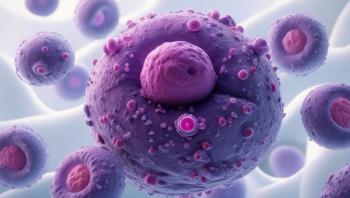
Linvoseltamab joins 3 other bispecific T-cell–engaging antibodies in multiple myeloma, offering deep and durable responses in heavily pretreated patients.
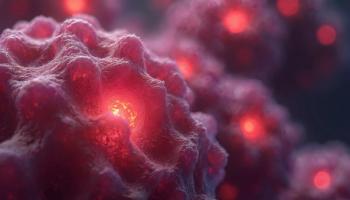
Oncology pharmacists discuss the transformative role of bispecific antibodies in treating relapsed/refractory multiple myeloma, addressing challenges and patient care strategies.
Advertisement
Advertisement
Trending on Pharmacy Times
1
Pennsylvania Confirms First Measles Deaths in 35 Years as US Case Count Tops 2900
2
New Lipid Drugs and What Pharmacists Need to Know
3
FDA Approves Ustekinumab Injection for Pediatric Ulcerative Colitis, Expanding IBD Options for Children
4
August 2026 in Oncology: FDA Approvals and Phase 3 Data Reshape Treatment Across Tumor Types
5