

If approved for this indication, finerenone would become the first nonsteroidal mineralocorticoid receptor antagonist indicated for adults with type 1 diabetes and CKD.
If approved for this indication, finerenone would become the first nonsteroidal mineralocorticoid receptor antagonist indicated for adults with type 1 diabetes and CKD.
On World Schizophrenia Day, a psychiatric pharmacist details how EHR fragmentation drives medication errors in schizophrenia care, and why provider recognition is essential to fixing it.

Susan Cornell, PharmD, CDCES, FAPhA, FADCES, explains how pharmacists should approach continuous glucose monitoring (CGM) report review and explains why individualized patient education is key.
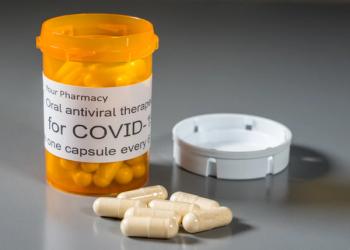
A large prospective cohort study offers pharmacists and clinicians new data to consider when counseling patients on the long-term value of early antiviral treatment.
Amy Hess-Fischl, MS, RDN, LDN, BC-ADM, CDCES, explains how pharmacists can better leverage underutilized continuous glucose monitoring (CGM) app features and address the education gaps that prevent patients from achieving long-term CGM persistence.
Pharmacists can use immunization registry data, collaborative practice agreements, and evidence-based vaccine advocacy to close adult hepatitis B care gaps.

Identifying inappropriate OTC medications and recommending safer pharmacotherapy treatments are important roles for pharmacists.
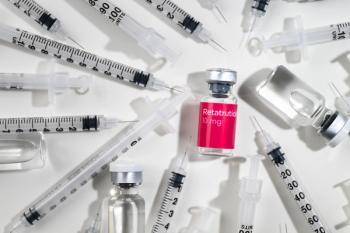
Eli Lilly's investigational triple hormone receptor agonist achieved average weight loss of up to 70.3 lb over 80 weeks.

A retrospective cohort study determined that individuals who consumed less than 1.0 g/kg/day of protein had significantly better kidney-related outcomes over 15 years of follow-up.
Expert highlights why hepatitis B vaccination remains an urgent priority for adult patients and why the 2-dose Heplisav-B regimen's faster seroprotection offers meaningful public health advantages over the traditional 3-dose series.
Nicole C. Pezzino, PharmD, BCACP, CDCES, explains why reimbursement gaps, workflow constraints, and the emotional burden of wearing a continuous glucose monitor (CGM) are limiting CGM success and how pharmacists can improve outcomes.

Use 5 checks to keep your emergency fund right-sized, earning more, and separated—so setbacks don’t wreck your finances.

Prior authorizations, injection site shortages, and care transition failures are undermining LAI antipsychotic adherence in patients with schizophrenia, one pharmacist explains.

Neurology trial tests low-dose lithium for MCI and Alzheimer risk; results miss primary end points but hint at slower verbal memory decline.

As agentic AI enters clinical workflows, the real risk isn't processing power—it's whether AI systems can consistently access authoritative, real-time medication intelligence.
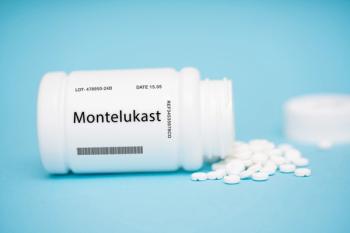
Researchers at Northwestern University have uncovered a surprising new role for montelukast that could reshape how oncologists approach immunotherapy resistance.
Diana Isaacs, PharmD, BCACP, BC-ADM, CDCES, FADCES, FCCP, explores the most significant advancements in continuous glucose monitoring (CGM) and automated insulin delivery in 2026.

The drug is currently under priority review by the FDA with a final decision expected by June 16, 2026.
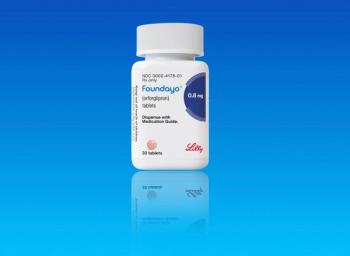
New once-daily oral GLP‑1 agonist cuts hemoglobin A1c and drives 5% to 10% weight loss—with no fasting rules—expanding options for obesity and diabetes care.
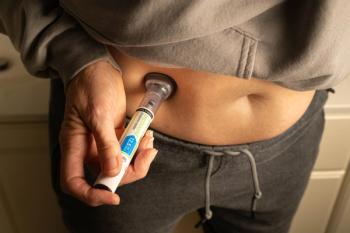
OTC GLP-1 boosters are marketed for weight loss, but pharmacists should help patients distinguish evidence-based care from supplement claims.
Pharmacists push antimicrobial stewardship into clinics and long-term care, tackling antifungal resistance, rapid diagnostics, vaccines, and public health leadership.

TrumpRx lists 600+ generic drugs with live cash prices, helping patients beat co-pays and sidestep PBMs amid rising drug prices.

Empowered pharmacy technicians strengthen adherence and support safer, smoother patient care.

A large analysis found that measurable declines in processing speed, global cognition, and executive function began up to 8 years before a cardiovascular event.
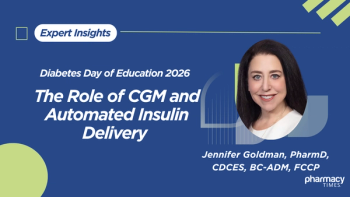
Jennifer Goldman, PharmD, CDCES, BC-ADM, FCCP, discusses how continuous glucose monitoring (CGM) technology and automated insulin delivery systems are transforming pharmacists’ roles.
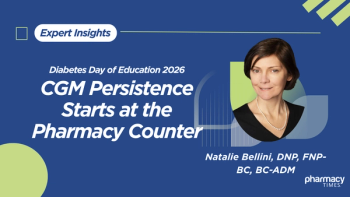
Natalie Bellini, DNP, FNP-BC, BC-ADM, explains why continuous glucose monitor (CGM) persistence so often breaks down after initiation and how pharmacists can intervene at the point of dispensing.

The FDA approved baxdrostat based on meaningfully positive results from the phase 3 BaxHTN trial.

Minimizing sedation, cognitive impairment, and addiction risk are key priorities.
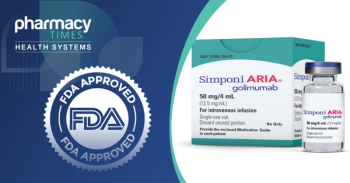
FDA approval clears interchangeable golimumab biosimilars for rheumatoid arthritis and ulcerative colitis, promising lower-cost TNF therapy.
As pharmacies expand into offering immunizations and other clinical services, the rules for the Part B medical side have moved away from the traditional pharmacy side.