

One molecule now carries both a prevention and a treatment indication, and the panel outlines how pharmacists serve as the critical checkpoint against dispensing errors and inadvertent monotherapy.
One molecule now carries both a prevention and a treatment indication, and the panel outlines how pharmacists serve as the critical checkpoint against dispensing errors and inadvertent monotherapy.
As people with HIV live longer, first-line decisions increasingly hinge on cardiovascular risk, comorbidities, and drug interactions — areas where the pharmacist's full view of the medication list matters most.
Pharmacists can help overcome influenza vaccine hesitancy by correcting common misconceptions, routinely asking every patient about vaccination, and leveraging their standing as trusted health care professionals.
Integrase inhibitors remain the clear first choice, yet prior long-acting PrEP exposure and the practical realities of same-day starts are reshaping when alternatives make more sense.
Before weighing new options, the panel resets the foundation: how antiretroviral classes work, what the 2026 DHHS update actually changed, and why therapy should start as soon as possible.
Bundibugyo Ebola spreads in DRC and Uganda as the WHO declares a public health emergency of international concern; learn the case counts, travel alerts, and pharmacist readiness steps.
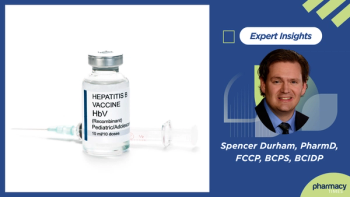
Spencer Durham, PharmD, FCCP, BCPS, BCIDP, discusses why hepatitis B remains an active public health threat.
Pharmacists can use immunization registry data, collaborative practice agreements, and evidence-based vaccine advocacy to close adult hepatitis B care gaps.
Expert highlights why hepatitis B vaccination remains an urgent priority for adult patients and why the 2-dose Heplisav-B regimen's faster seroprotection offers meaningful public health advantages over the traditional 3-dose series.
September 30th 2026


