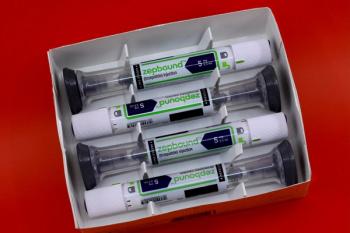
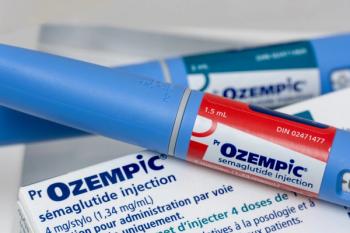
The rapid rise of glucagon-like peptide-1 (GLP-1) receptor agonists has transformed the treatment landscape for patients with obesity and type 2 diabetes. GLP-1 is an incretin hormone secreted by intestinal L-cells in response to nutrient intake.1 It promotes glucose-dependent insulin secretion, suppresses glucagon release, slows gastric emptying, and contributes to appetite regulation through central nervous system pathways.1
GLP-1 receptor agonists are designed to directly activate this pathway in a durable and clinically measurable way.1 Medications such as semaglutide (Wegovy, Ozempic; Novo Nordisk) and tirzepatide (Zepbound; Eli Lilly) have demonstrated clinically significant weight reduction and cardiometabolic benefits in large clinical trials.2-5 Newer agents are also expanding the field, including orforglipron (Foundayo; Eli Lilly), an oral small-molecule GLP-1 receptor agonist, highlighting continued innovation in this therapeutic class.6,7
As public awareness of GLP-1 therapy has increased, so has consumer interest in OTC products marketed as GLP-1 boosters. These supplements are often promoted in pharmacies, online, and through social media as natural alternatives that can increase satiety, improve metabolism, or support weight loss. Compared with GLP-1 receptor agonists, these supplements generally do not directly activate GLP-1 receptors to the same extent. For community pharmacists, this creates an important counseling opportunity for patients who ask about products similar to GLP-1 receptor agonists.
Supplements
Common ingredients found in OTC products marketed as GLP-1 boosters include berberine, chromium picolinate, resveratrol, dietary fiber, green tea extract, and probiotics. Some may have modest metabolic effects, but none should be considered equivalent to GLP-1 receptor agonists. This distinction is especially important because the FDA has warned that many weight loss products marketed as supplements may contain hidden drug ingredients, may be falsely advertised as natural products, and can pose serious health risks.8 The National Institutes of Health’s Office of Dietary Supplements also emphasizes that weight-loss supplements vary widely in ingredients, mechanisms, evidence, and safety profiles.9
Berberine
Berberine is one of the most promoted ingredients in “natural Ozempic” messaging.10 Evidence suggests that berberine may improve lipid parameters, with 1 systematic review and meta-analysis finding reductions in total cholesterol, low-density lipoprotein cholesterol, and triglycerides.11,12 However, the authors noted high clinical heterogeneity and generally low methodological quality among included trials, meaning the findings should be interpreted cautiously.12 From a safety perspective, berberine was generally associated with mild adverse effects such as constipation, flatulence, nausea, headache, and transaminase elevation, with no serious adverse events reported in the reviewed trials.11,12 Pharmacists should still screen for gastrointestinal intolerance, pregnancy status, liver disease, and potential drug interactions.
Chromium
Chromium picolinate is another common ingredient promoted for glucose metabolism and insulin sensitivity. A systematic review and meta-analysis in patients with diabetes found that chromium supplementation improved glycemic control and did not significantly increase adverse events compared with placebo.13 Reported adverse events included watery stool, dizziness, headache, nausea, constipation, and flatulence.14 However, this evidence is more relevant to glycemic outcomes in diabetes than to weight loss. Pharmacists should be cautious when patients use chromium alongside insulin or other glucose-lowering therapies because of the risk of additive glucose-lowering effects.
Resveratrol
Resveratrol is a polyphenol marketed for its effects on metabolic health, antioxidant activity, and weight management.15 However, human evidence for weight loss remains inconsistent. A review of resveratrol obesity trials found substantial heterogeneity in study design, including differences in dose, duration, delivery method, participant characteristics, and outcomes measured.15 Additionally, a literature review reported that resveratrol may have dose-related adverse effects, possible cytochrome P450 interactions, and potential interaction with drugs such as warfarin, which could increase bleeding risk.16 High doses have also been associated with gastrointestinal symptoms such as diarrhea and nausea.16
Fiber
Dietary fiber may be the most clinically reasonable ingredient to discuss as an adjunctive, nonprescription option, although not as a GLP-1 substitute. Fibers such as glucomannan, psyllium, and inulin may promote satiety, delay gastric emptying, and support modest weight reduction when combined with energy restriction.17 In a randomized controlled study of adults with overweight or obesity and traits of metabolic syndrome, fiber supplementation with energy restriction improved body weight, body mass index, fat mass, visceral fat, lipid profile, and inflammatory markers.17 Safety counseling should focus on bloating, flatulence, diarrhea, constipation, adequate water intake, and separation from other medications to reduce the risk of impaired absorption.17
Green Tea Extract
Green tea extract is often marketed for thermogenesis and “fat burning.” A Cochrane review found that green tea preparations produced a small, statistically nonsignificant weight loss in adults with overweight or obesity and that the amount of weight loss was unlikely to be clinically meaningful.18 Safety concerns include gastrointestinal symptoms, caffeine-related effects such as insomnia or palpitations, and hepatotoxicity, particularly with concentrated extracts.18 The same review noted that reported adverse events were generally mild to moderate, although adverse event reporting was inconsistent across studies.18