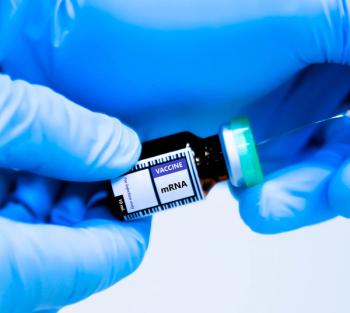
Despite the controversy surrounding mRNA's role in the COVID-19 response, the technology's broader promise—to prevent, treat, and even cure a host of diseases—is coming into focus.
Expert highlights why hepatitis B vaccination remains an urgent priority for adult patients and why the 2-dose Heplisav-B regimen's faster seroprotection offers meaningful public health advantages over the traditional 3-dose series.
In an interview with Pharmacy Times during Hepatitis Awareness Month, Spencer Durham, PharmD, FCCP, BCPS, BCIDP, associate clinical professor of pharmacy practice and director of professional affairs at Auburn University Harrison College of Pharmacy in Alabama, addressed the continued urgency of hepatitis B vaccination in adults and the evolving role pharmacists play in closing immunization gaps.
Durham challenged the perception that hepatitis B is no longer a public health threat. Although confirmed acute cases numbered approximately 2200 in 2023 according to CDC data, he emphasized that the true burden is far greater—estimated at roughly 14,000 new infections annually when accounting for cases that go undiagnosed or unreported. Notably, adults aged 40 to 59 years now have the highest rates of newly reported infections, a demographic that pharmacists are well-positioned to reach through routine immunization services and medication counseling encounters.
Beyond framing hepatitis B as an infectious disease concern, Durham underscored its direct link to primary liver cancer, arguing that pharmacists should reposition the vaccine in patient conversations as a cancer prevention tool. He drew a parallel to the human papillomavirus vaccination, noting that framing hepatitis B immunization in terms of cancer risk reduction—rather than infection avoidance—is likely to resonate more powerfully with adult patients who feel otherwise healthy and asymptomatic.
Durham also addressed the clinical and public health implications of the 2-dose recombinant hepatitis B vaccine, adjuvanted regimen (Heplisav-B, Dynavax Technologies), compared with the traditional 3-dose series administered over 6 months. He noted that the compressed timeline not only improves series completion rates—a long-standing challenge with the conventional schedule—but also confers earlier and more robust seroprotection. For pharmacists advising patients on vaccine selection, Durham emphasized that faster immunity translates to reduced transmission risk and a meaningfully lower likelihood of patients developing hepatic cancer over time.
Stay informed on drug updates, treatment guidelines, and pharmacy practice trends—subscribe to Pharmacy Times for weekly clinical insights.
Subscribe