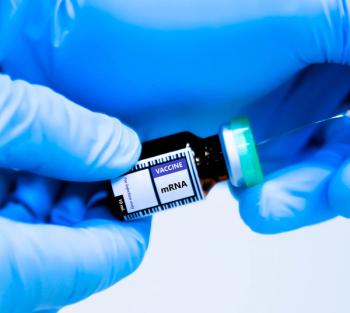
Despite the controversy surrounding mRNA's role in the COVID-19 response, the technology's broader promise—to prevent, treat, and even cure a host of diseases—is coming into focus.
Pharmacists can use immunization registry data, collaborative practice agreements, and evidence-based vaccine advocacy to close adult hepatitis B care gaps.
In an interview with Pharmacy Times, Spencer Durham, PharmD, FCCP, BCPS, BCIDP, associate clinical professor of pharmacy practice and director of professional affairs at Auburn University Harrison College of Pharmacy,
On the operational side, Durham identified incomplete vaccine series detection as the most actionable data trigger pharmacy teams should monitor within clinical decision support systems and state immunization registries. He noted that a single recorded hepatitis B dose—or a gap in documented follow-up doses—should prompt pharmacists to engage patients directly, acknowledging that records may be fragmented across state lines. He also highlighted the value of flagging high-risk clinical indicators, such as HIV infection or chronic hemodialysis, as natural entry points for hepatitis B counseling and broader vaccine eligibility conversations.
Durham then addressed the expanding scope of pharmacy practice through collaborative practice agreements, calling adult hepatitis B vaccination an accessible opportunity for pharmacies to demonstrate their value as longitudinal clinical partners rather than dispensing sites. He argued that reliably closing immunization care gaps reduces physician workload and builds the kind of trust that strengthens interprofessional relationships over time.
Durham closed with a pointed concern about vaccine misinformation, particularly the misconception that hepatitis B is solely a sexually transmitted infection and therefore irrelevant to infants. He cited CDC data showing that universal newborn vaccination, initiated around 1991, drove pediatric hepatitis B infections down by approximately 89% to 90% over the following decade, from an estimated 15,000 to 20,000 annual pediatric cases to fewer than 20 newborn infections per year. He called on pharmacists to serve as frontline advocates against misinformation and as broad champions of vaccination.
Stay informed on drug updates, treatment guidelines, and pharmacy practice trends—subscribe to Pharmacy Times for weekly clinical insights.
Subscribe