Key Takeaways
- Structured testing matters most for fingersticks, which capture single moments.
- Testing 2 hours after meals captures the body’s natural glucose response.
- Waking very late can make fasting readings look falsely elevated.
Waking too late after a long overnight fast can make morning readings look hyperglycemic when patients likely are not.
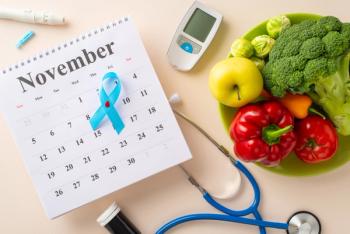
In an interview with Pharmacy Times, Nicole Albanese, PharmD, CDCES, BCACP, a clinical professor in the department of pharmacy practice at the University at Buffalo’s School of Pharmacy and Pharmaceutical Sciences, discussed what a structured blood glucose testing schedule looks like for patients who use fingerstick monitoring and why that structure makes readings more useful.
Albanese explained that structured testing applies mainly to fingersticks. Continuous glucose monitors (CGMs) collect data all the time, but a fingerstick captures a single point in time, and a reading can change within minutes. Food, physical activity, and hormones can all alter a result, so it is essential to know the context around each reading. She noted that blood glucose spikes about an hour after eating and settles by 2 hours, so testing 2 hours after a meal shows how the body naturally responds.
Activity matters too: she described patients who had low blood sugar after strenuous gardening. Depending on the patient’s medication, a schedule typically includes a fasting reading first thing in the morning, after 6 to 8 hours without food. Timing matters here as well. Patients who sleep very late may fast too long, which prompts hormones that raise blood glucose and can make morning readings look hyperglycemic when they likely aren’t. Albanese said most of her questions to patients are about timing, activity, and recent meals.