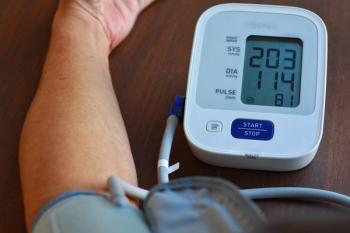
The first AHA endocarditis update in 11 years expands outpatient options, with a bigger role for pharmacists.
A large analysis found that measurable declines in processing speed, global cognition, and executive function began up to 8 years before a cardiovascular event.
Diminished cognitive function in older adults is frequently attributed to the aftermath of cardiovascular disease (CVD) events such as stroke, heart failure, or myocardial infarction (MI). But results of a new study published in JAMA Network Open suggest that the relationship between the heart and brain may be more complex and bidirectional than previously understood. Researchers found that cognitive decline among older adults often begins years before a cardiovascular event occurs, raising the possibility that cognitive changes could serve as an early signal of cardiovascular risk.1
In a comment to Pharmacy Times, corresponding authors Swarna Vishwanath, PhD, a research fellow at Monash University in Melbourne Australia, and Joanne Ryan, PhD, head of the Biological Neuropsychiatry and Dementia research unit in the School of Public Health and Preventive Medicine at Monash University, offered a key point for pharmacists and health care professionals: “The main practical takeaway is that early cognitive changes, particularly in processing speed, may serve as potential markers of underlying vascular health, although their clinical role is not yet established.”
The nested case-control study, which drew on data from the Aspirin in Reducing Events in the Elderly (ASPREE; NCT01038583) randomized clinical trial and its observational extension (ASPREE-XT; NCT07224347), followed more than 19,000 community-dwelling adults 65 and older in Australia and the United States for 11 years. Participants had no history of CVD or significant cognitive impairment at the time of enrollment. Over the study period, 1934 CVD events occurred. Researchers matched 1887 of those participants with 7548 control participants of similar age, sex, and educational background, yielding an analytic cohort of 9435 individuals.1
Using a comprehensive cognitive battery administered every 1 to 2 years, investigators tracked changes across 4 cognitive domains: global cognition (Modified Mini-Mental State Examination, or 3MS), episodic memory (Hopkins Verbal Learning Test–Revised), processing speed (Symbol Digit Modalities Test, or SDMT), and verbal fluency (Controlled Oral Word Association Test, or COWAT).1
The findings were strikingly consistent. Individuals who later experienced a CVD event showed significantly faster cognitive decline across all measured domains compared with matched controls, beginning between 3 and 8 years before the event. Importantly, processing speed diverged earliest, with statistically significant differences between the groups emerging approximately 8 years prior to the cardiovascular event. Global cognition and episodic memory differences became apparent around 5 years before the event, while verbal fluency differences emerged approximately 3 years prior.1
Among composite scores, global cognition and executive function declined faster in those who later experienced a CVD event, whereas the composite memory score showed a trend toward faster decline but did not reach statistical significance across the full trajectory.1
The association between pre-event cognitive decline and CVD was not uniform across all event subtypes. Patients who later experienced stroke, hospitalization for heart failure, or fatal coronary heart disease demonstrated the most pronounced and consistent cognitive trajectories in the years leading up to their events. By contrast, patients who experienced a nonfatal MI demonstrated cognitive trends largely comparable to those of control participants, a finding the researchers noted as a notable exception warranting further investigation.1
Sex-stratified analyses revealed that female participants showed steeper pre-event trajectories than male participants, particularly in processing speed, verbal fluency, and executive function.1
Subgroup analyses by comorbidity status, including hypertension, diabetes, and chronic kidney disease (CKD), showed similar patterns, with somewhat larger effect sizes among those with these conditions, which are known to independently affect both cardiovascular and cognitive health.1
The study's authors emphasized that their findings add important nuance to the established understanding of the relationship between CVD and dementia. Increased dementia risk following CVD events, especially stroke, has long been recognized, and longitudinal research has documented both short- and long-term declines in multiple cognitive domains following such events. What has remained unclear is whether cognitive changes reflect damage caused by the acute event itself or whether cognitive decline was already underway, potentially reflecting shared underlying pathology or serving as a pre-event risk marker.2,3
The ASPREE-based findings suggest that at least some cognitive deterioration precedes the CVD event rather than resulting from it, an observation consistent with the concept of a long prodromal phase shared by both conditions. Shared vascular risk factors, subclinical atherosclerosis, and chronic systemic inflammation may contribute to parallel neurological and cardiovascular deterioration long before either becomes clinically apparent.1,4
“Early declines in processing speed likely reflect subtle problems with cerebral perfusion (blood flow) and white matter integrity,” Vishwanath and Ryan noted. “Long-term exposure to cardiovascular risk factors may contribute to microvascular dysfunction and impaired neurovascular coupling, reducing blood flow to the brain and slowing information processing years before a major cardiovascular event.”
These findings carry practical relevance for pharmacists, who interact regularly with older adults managing cardiometabolic conditions and the polypharmacy burden that frequently accompanies them. Community pharmacists are particularly well-positioned to observe subtle functional and behavioral changes in patients during routine medication dispensing and counseling encounters.1,5,6
Research has supported the potential for community pharmacy-based cognitive screening as a feasible and impactful service. Pharmacists already treating patients for hypertension, dyslipidemia, diabetes, and CKD—conditions that were prominently featured in the ASPREE case population—should be attentive to signs of cognitive change that may precede, rather than merely follow, major cardiovascular events.6
“While routine cognitive testing is not currently part of cardiovascular risk assessment, simple tools like the SDMT could, in the future, complement existing prevention strategies by helping to identify individuals at higher risk,” Vishwanath and Ryan explained. “At present, tools like the MoCA [Montreal Cognitive Assessment] remain more relevant for assessing global cognitive function after a cardiovascular event rather than before.”
Clinical pharmacists on multidisciplinary care teams can contribute by identifying medications with cognitive adverse effects, flagging polypharmacy-related risks in patients with known cardiometabolic disease, and facilitating timely referrals when cognitive concerns arise. Medication therapy management services offer a structured opportunity to assess both cardiovascular risk factors and cognitive function in older adults simultaneously.6
As research continues to clarify the temporal and mechanistic relationship between cognitive decline and CVD, pharmacists who remain alert to early cognitive changes in their cardiovascular patient populations may be uniquely positioned to support timely intervention—whether through medication optimization, coordination with prescribers, or connection to appropriate screening and specialty care resources.
Stay informed on drug updates, treatment guidelines, and pharmacy practice trends—subscribe to Pharmacy Times for weekly clinical insights.
Subscribe