

The acquisition brings an autoinjector platform and a broad device portfolio into emmbecta's growing chronic care ecosystem.
The acquisition brings an autoinjector platform and a broad device portfolio into emmbecta's growing chronic care ecosystem.

FDA fast-tracks higher-dose weekly semaglutide, showing up to 20.7% weight loss.

Respiratory syncytial virus hits older adults hard and is often missed. Learn symptoms, testing, and how new vaccines and pharmacists help prevent severe illness.

In patients with diabetes, liver stiffness testing flags hidden MASLD fibrosis and sharply higher death risk.
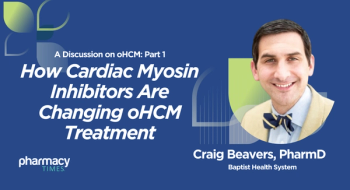
Craig Beavers, PharmD, FACC, FAHA, FCCP, BCCP, BCPS-AQ Cardiology, CACP, breaks down the key distinctions between obstructive and nonobstructive hypertrophic cardiomyopathy (oHCM) and explains how cardiac myosin inhibitors target the underlying disease mechanism.
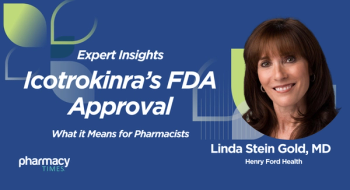
Icotrokinra, a first-in-class oral IL-23 receptor blocker, fills a long-standing gap in the treatment of moderate to severe plaque psoriasis.
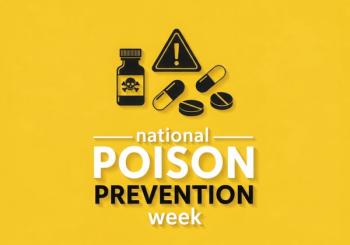
Review drug disposal options and discuss proper medication storage when dispensing.
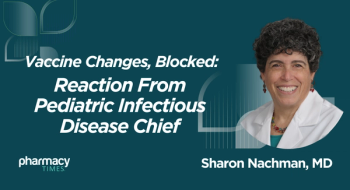
Sharon Nachman, MD, division chief for pediatric infectious disease at Stony Brook Children's Hospital, shares her reaction to the court ruling blocking the scaled-back childhood vaccine schedule.
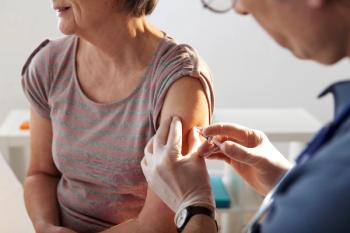
Dual-target flu immunity to HA and NA halves airborne spread in ferrets without escape mutations, reshaping next-generation vaccines and pharmacist counseling.
Pharmacists play a pivotal role in helping patients align healthy nutritional habits with consistent medication adherence to improve long-term chronic disease outcomes.
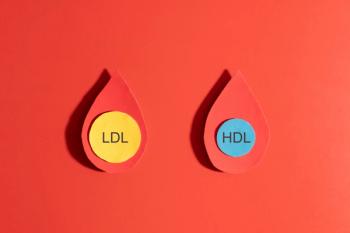
New American College of Cardiology/American Heart Association dyslipidemia guidelines reset LDL goals, add PREVENT risk scoring, and expand Lp(a)/apoB testing for earlier, tougher prevention.

Acquiring advanced certifications equips pharmacy technicians with a clear pathway to increased salary potential and long-term financial stability.

Olympic athlete Tabitha Peterson, PharmD, reveals how sports pharmacy helps athletes avoid antidoping risks, manage supplements safely, and stay competition-ready.

New once-daily oral peptide blocks IL‑23 receptor, delivering high skin clearance and strong safety for moderate-to-severe plaque psoriasis in ages 12+.
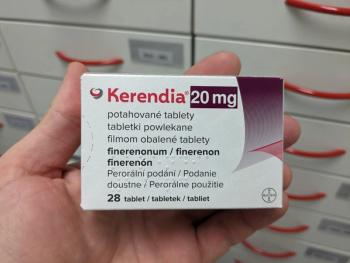
Finerenone slows nondiabetic chronic kidney disease, improving eGFR slope and signaling a possible FDA expansion.

Analysis reveals critical price volatility patterns affecting pharmacy inventory management.

A Response to “We Can Do Better: Educating on Perimenopause and Menopause Is a Good Thing,” Published in November 2025

PharmD and Olympian Tabitha Peterson reveals how pharmacy analytics, teamwork, and constant learning fuel elite curling strategy and Olympic-level performance.

The VIVID trial finds high-dose vitamin D3 doesn’t cut COVID care visits but hints at fewer long COVID symptoms.
Explore how pharmacists elevate electrophysiology care and get a preview of ACC 2026 trials on AF, HFpEF, pulmonary embolism, and hypertension.

A federal judge halted HHS Secretary Robert F. Kennedy Jr's rollback of childhood vaccines, freezing ACIP's overhaul and immunization votes amid a medical society lawsuit.

Stopping weight management medications drives rapid weight regain and metabolic rebound—making long-term treatment key to optimal outcomes.
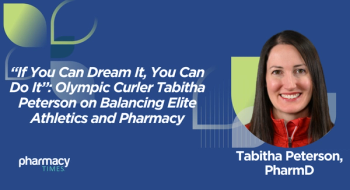
Tabitha Peterson, PharmD, discusses how teamwork, strategy, and antidoping expertise sharpen patient care and athlete safety.

Despite persistent gaps in cardiovascular risk management, pharmacists are proving essential in improving LDL control, guiding statin use, and supporting evidence-based care across clinical settings.

Build financial confidence by making strategic money decisions all year.

Mass-produced compounded GLP-1 drugs bypass FDA safeguards, raising sterility, quality, and supply-chain risks—putting patients at risk despite ending shortages.
FDA approves secukinumab for adolescents 12 years and older with moderate to severe hidradenitis suppurativa, offering the first IL-17A option and new hope for earlier relief.

FDA expands Arexvy RSV vaccine to at-risk adults 18-49, backed by phase 3b data—what it means for patients and pharmacists.
Pharmacists have become central to titration, access, patient education, and logistics as GLP-1 use grows and cardiometabolic management evolves.

Rapid RSV testing in pediatrics cuts unnecessary antibiotic use in young children with viral lung infections.