Pharmacists are central to optimizing chronic kidney disease (CKD) diagnosis and monitoring long-term adherence to disease-modifying therapies.

Pharmacists are central to optimizing chronic kidney disease (CKD) diagnosis and monitoring long-term adherence to disease-modifying therapies.

Shifting federal vaccine guidance fuels parent confusion and uneven care, as clinicians lean on scientific consensus.

The Break Up Big Medicine Act aims to address structural conflicts of interest.

Pharmacists can use collaborative practice agreements in neurology to manage multiple sclerosis medications, labs, and expand care beyond disease-modifying therapies.

The FDA targets mass-marketed compounded GLP-1 drugs, warning of safety risks and deceptive ads as enforcement ramps up for weight-loss injectables.

The FDA declines to review Moderna’s mRNA flu vaccine filing over comparator choice, despite positive phase 3 results.

The updates allow for patients of reproductive age to complete pregnancy tests at home during or after treatment.

Vitamin B12 supports cognitive health, corrects deficiency in pills or shots, and helps pharmacists guide smart vitamin and supplement choices.

Learn how pharmacists cut GLP-1 costs, streamline prior authorizations, guide safe switches, and bust social media myths for lasting adherence.

Real-world FAERS data reveal venlafaxine’s known risks plus rare late-onset events and subgroup patterns, guiding long-term prescribing.

The most pronounced association was observed when individuals consumed 2 to 3 cups of caffeinated coffee per day.

Host Craig Beavers explores why US blood pressure control still lags despite proven treatments.

The Medications Optimizing Maternal Safety (MOMS) program offers vital support to pregnant patients through community pharmacies.

Ann Marie Navar, MD, PhD, explains how enlicitide’s sustained LDL-C lowering, favorable tolerability, and structured dosing may improve adherence and expand oral add-on options for patients not at goal on statins.

Pharmacists are critical in supporting GLP-1 therapy success through proactive expectation setting.

Sarah Nelson, PharmD, explains how pharmacists can simplify cardiovascular treatment regimens through personalized education, shared decision-making, and cross-sector collaboration to improve adherence and close care gaps in heart disease prevention.

Bangladesh reports fatal Nipah case linked to raw date palm sap; experts say spread stays limited as vaccines and rapid tests advance.

Although historically conceptualized as a childhood condition, it is now well established that ADHD frequently continues across the life span, with symptoms evolving rather than resolving.

The HHS secretary overstated preliminary research showing the benefits of a keto diet in patients with schizophrenia who remain adherent to medications.

Learn how workplace triggers, long flares, and new therapies reshape pharmacist-led care for chronic hand eczema.

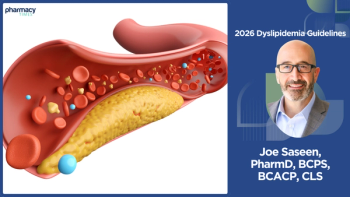
The VESALIUS-CV trial demonstrates that adding evolocumab to maximally tolerated statin therapy significantly reduces major cardiovascular events in both high-risk primary and secondary prevention patients.

Pharmacists drive American Heart Month action by improving adherence, prevention, and equity.

Incremental, plant-based dietary changes can improve glycemic control, weight, and lipid outcomes while complementing cardiometabolic pharmacotherapy in routine pharmacy practice.

Embedded pharmacy experts in neurology strengthen multiple sclerosis care through education, therapy selection, lab monitoring, and collaborative practice agreements that close gaps.

The platform offers uninsured patients discounted drug prices, though it is important to note that the platform does not sell drugs, and only a small number are currently available.

The scientific statement underscores obesity as a complex, socially driven condition and positions pharmacists as key partners in reducing stigma, improving access to care, and supporting equitable weight management.

Sodium-glucose co-transporter-2 (SGLT2) inhibitors in patients with type 2 diabetes (T2D) were found to reduce the risk of chronic kidney disease (CKD) and key associated factors, like eGFR and albuminuria.

Pharmacists play a vital role in countering GLP-1 misinformation.

Pharmacist-owners occupy a unique position in health care. Unlike shareholder-driven corporate structures, pharmacist-led enterprises are uniquely positioned to balance financial health with professional obligation.

Full results detailing the safety and efficacy of enlicitide decanoate, an oral PCSK9 inhibitor, were published in The New England Journal of Medicine.