As earning years peak, so do spending and responsibility—here’s where midcareer pharmacists should focus their financial decision-making.
New once-daily oral GLP‑1 agonist cuts hemoglobin A1c and drives 5% to 10% weight loss—with no fasting rules—expanding options for obesity and diabetes care.
The FDA recently approved orforglipron (Foundayo; Eli Lilly), a novel, nonpeptide glucagon-like peptide-1 (GLP-1) receptor agonist for the treatment of adults with obesity or overweight, marking the first oral agent in its class that can be taken without fasting or water restrictions. The approval introduces a potentially more convenient alternative to existing GLP-1 therapies, which may improve adherence and expand patient access to incretin-based treatments.1
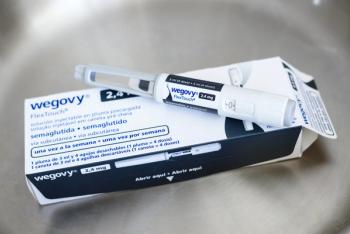
GLP-1 receptor agonists have become a cornerstone in the management of type 2 diabetes (T2D) and obesity due to their efficacy in glycemic control and weight reduction. However, currently available oral GLP-1 therapies, such as semaglutide (Wegovy; Novo Nordisk), require strict administration conditions, including fasting and delayed food intake, to ensure adequate absorption. These limitations have posed challenges for patient adherence.1,2
Orforglipron is a small-molecule, nonpeptide GLP-1 receptor agonist designed for oral administration without such restrictions. Its pharmacokinetic profile allows for consistent absorption regardless of food or water intake, distinguishing it from peptide-based oral GLP-1 therapies.1
In addition to chronic weight management, orforglipron is being studied as a potential treatment for T2D, obstructive sleep apnea, osteoarthritis knee pain, hypertension, peripheral artery disease, and stress urinary incontinence.1
The FDA approval was supported by results from multiple phase 3 clinical trials evaluating the efficacy and safety of orforglipron in adults with T2D. In these studies, orforglipron demonstrated statistically significant reductions in hemoglobin A1c (HbA1c) compared with placebo, with mean reductions ranging from approximately 1.2% to 1.6% depending on dose and study population.1,3
In addition to glycemic control, patients receiving orforglipron experienced clinically meaningful weight loss. Across trials, weight reductions averaged 5% to 10% of baseline body weight, consistent with outcomes observed with injectable GLP-1 receptor agonists.1,3
The safety profile of orforglipron was consistent with the GLP-1 class. The most reported adverse events were gastrointestinal, including nausea, vomiting, and diarrhea, which were generally mild to moderate in severity and occurred primarily during dose escalation.1
From a clinical perspective, pharmacists play a key role in educating patients about proper medication use, managing adverse effects, and supporting adherence. The simplified administration of orforglipron may reduce counseling complexity while still requiring monitoring for gastrointestinal tolerability and glycemic response.
Additionally, the availability of a nonpeptide oral GLP-1 receptor agonist may broaden treatment options for patients who are unwilling or unable to use injectable therapies. As demand for incretin-based treatments continues to grow, orforglipron may help address gaps in access and convenience.
As with other GLP-1 receptor agonists, orforglipron carries class-related safety considerations. It is contraindicated in patients with a personal or family history of medullary thyroid carcinoma or in those with multiple endocrine neoplasia syndrome type 2. Warnings and precautions include the potential risk of pancreatitis, and patients should be monitored for signs such as persistent severe abdominal pain. Gastrointestinal adverse effects may lead to dehydration, which can worsen renal function, particularly in patients with preexisting kidney disease.2,3
Additional precautions include the risk of hypoglycemia when used in combination with insulin or insulin secretagogues, necessitating potential dose adjustments of concomitant therapies. As with other agents in this class, delayed gastric emptying may affect the absorption of concomitantly administered oral medications.2,3
Orforglipron offers a novel, patient-friendly option within the GLP-1 receptor agonist class, combining robust efficacy with simplified administration. Its approval underscores ongoing innovation in diabetes care and highlights the evolving role of oral therapies in chronic disease management.
Stay informed on drug updates, treatment guidelines, and pharmacy practice trends—subscribe to Pharmacy Times for weekly clinical insights.
Subscribe