
Brandon Welch, PharmD, highlights the expanding role of sports pharmacists in medication safety, anti-doping, and personalized athlete care.
Brandon Welch, PharmD, highlights the expanding role of sports pharmacists in medication safety, anti-doping, and personalized athlete care.
Joseph Saseen, PharmD, addresses statin intolerance and misinformation and provides a look at aggressive new LDL targets and emerging therapies not yet captured in the 2026 guidelines.
Pulse by NABP is revolutionizing drug supply chain oversight and patient safety.
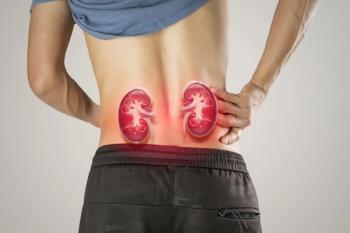
AHA Epidemiology Sessions 2026 show that chronic kidney disease (CKD) proteinuria drops of 30% or more cut heart failure, major adverse cardiovascular events, and death, a key prevention signal.
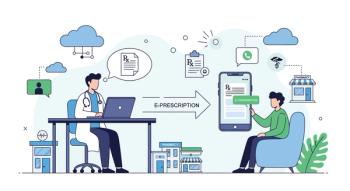
As pharmacy technology consolidates under a few powerful platforms, independent pharmacies risk losing control of the data—and leverage—they generate every day.
Deucravacitinib offers a targeted, well-tolerated oral option for patients with psoriatic arthritis, with efficacy comparable to biologics and meaningful benefits in patient-reported outcomes.
The approval is supported by clinical data from the ATTAIN-1 and ATTAIN-2 trials.

The updated dosing schedule for nusinersen offers increased drug exposure and may further improve outcomes for patients with spinal muscular atrophy.

There was limited evidence supporting additional clinical benefits.
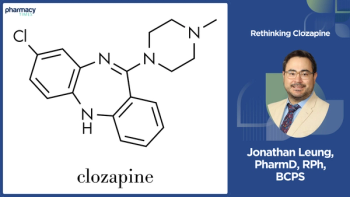
Jonathan Leung, PharmD, RPh, BCPS, discusses the ongoing underutilization of clozapine despite its efficacy, highlighting clinician concerns, lingering perceptions, and the key role pharmacists play in improving its use through education and monitoring.
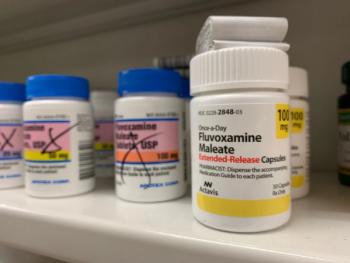
Fluvoxamine significantly reduced fatigue in adults with long COVID, with a 99% probability of outperforming placebo.

At APhA 2026, Callan Bleick, PharmD, MSc, laid out a stark picture of antimicrobial resistance, vaccine-preventable disease resurgence, and updated treatment guidelines.

Explore OTC case studies focused on pain management.

NABP weighs OET and best-section scoring to ease FPGEE path while boosting pass rates and safeguarding patient care.
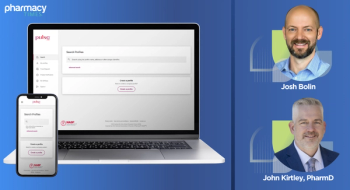
Experts from NABP and the Arkansas State Board of Pharmacy explain how Pulse by NABP equips pharmacists and regulators with real-time drug supply chain verification tools.
Pharmacists' role in lipid management takes center stage with the 2026 dyslipidemia guideline update.
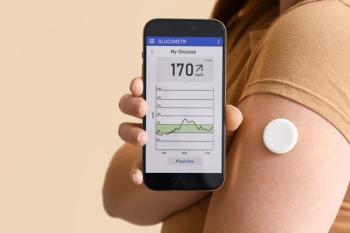
Clinical pharmacist specialists emphasized the pharmacist's role closing the gap between guideline recommendations and patient access to CGMs and automated insulin delivery.

In a phase 2a trial, the oral NLRP3 inhibitor VTX3232 significantly reduced systemic and liver inflammation markers—including hsCRP and IL-6—independent of weight loss, suggesting a promising new approach to lowering cardiovascular risk in patients with obesity.
A phase 3 trial found that the oral PCSK9 inhibitor enlicitide significantly outperformed existing oral therapies in lowering LDL cholesterol.
Learn how NABP’s FPGEC verifies foreign pharmacists and why TOEFL English proficiency standards remain central to US patient safety.
From a pipeline exploding with oral and injectable options to emerging evidence in liver disease, substance use disorder, and kidney disease, Emily Eddy, PharmD, laid out the full scope of incretin therapy's expanding reach at APhA2026.

New data show that pharmacist-led interventions in independent community pharmacies can move the needle on A1C, blood pressure, and stroke risk, even in rural and underserved settings.
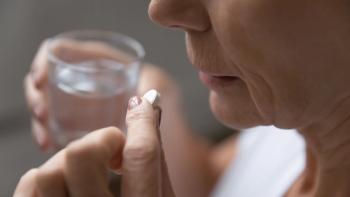

The trial's success offers the first robust evidence for targeted pharmacologic intervention in adolescent oHCM.

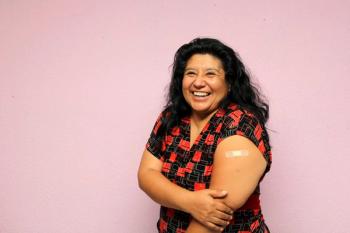
At APhA 2026, Damika Walker, PharmD, RPh, argued that closing stubbornly low adult vaccination rates requires a shift in how pharmacists approach every patient encounter.
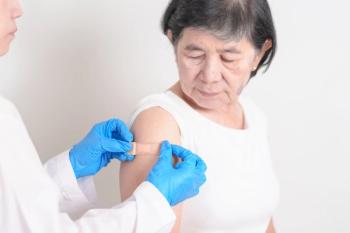
With updated recommendations for adults aged 50 and older, pharmacy teams are uniquely positioned to bridge gaps in care through community engagement and proactive clinical assessments.
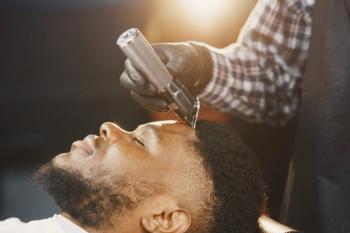
A community-based initiative is proving that the path to heart health for Black men may not start in a physician’s office, but in the barber’s chair.

The RECOVER-AUTONOMIC trial underscores the necessity of better clinical end points to assess interventions in the long COVID population.