
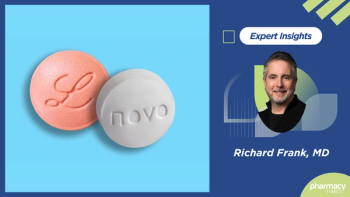
A new oral GLP-1 therapy could reshape obesity treatment by improving access, convenience, and patient uptake compared with injectable options.
A new oral GLP-1 therapy could reshape obesity treatment by improving access, convenience, and patient uptake compared with injectable options.

New findings presented at the World Congress of Nephrology detail how chronic kidney disease (CKD) drives progressive muscle loss and cognitive decline.
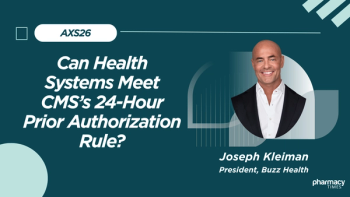
New CMS prior authorization timelines highlight major infrastructure gaps while underscoring the link between access, affordability, and medication adherence.

A hantavirus outbreak aboard a cruise ship is raising urgent concerns about the dangers of this rare but deadly rodent-borne virus.
The FDA approved the supplemental biologics license for the expansion of IVIG (immune globulin, intravenous) use to children 2 years and older with primary humoral immunodeficiency, enabling earlier treatment and infection protection.
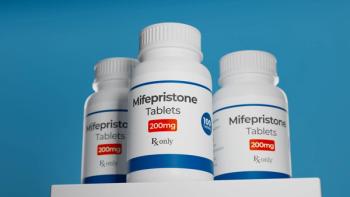
The temporary order will allow patients to continue receiving mifepristone via mail or at the pharmacies without an in-person visit to a doctor.
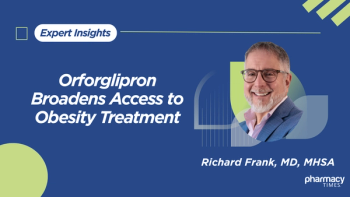
FDA approval of orforglipron may expand access to obesity treatment by offering a more convenient oral GLP-1 therapy option.
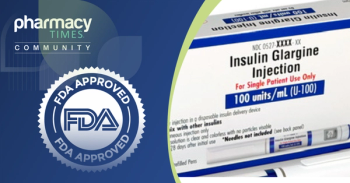
The interchangeable designation allows pharmacists to substitute Langlara for Lantus at the point of dispensing without prescriber intervention, a distinction that carries significant clinical and operational implications for pharmacy practice.
During Hepatitis Awareness Month, learn why hepatitis B vaccination and one-time screening help prevent silent infection and cut liver cancer risk.

Over a 10-year duration, these key elements have made a tremendous difference throughout a residency program.

Social media has allowed us to connect with generations of pharmacists and provide advice to students on a larger scale.
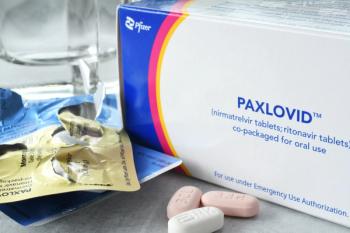
New trials show Pfizer’s Paxlovid (nirmatrelvir-ritonavir) speeds COVID-19 recovery in vaccinated patients, while hospitalization benefits fade.
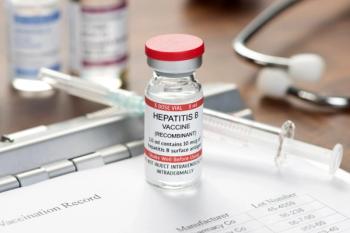
Delaying hepatitis B vaccination beyond birth increases preventable infections, liver cancer deaths, and costs.
Andel's direct-to-employer model partners with Eli Lilly and other pharma companies to offer flexible, insurance-free GLP-1 access that benefits employers, patients, and manufacturers.
The agency's proposal to exclude semaglutide, tirzepatide, and liraglutide from the 503B Bulks List signals that large-scale compounding of these agents has no regulatory future, and carries immediate implications for pharmacy practice.

The dextromethorphan-bupropion combination therapy targets NMDA and sigma-1 receptors, offering a first-in-class mechanism distinct from the only other approved agent for this indication.

Advanced therapy innovations are transforming cancer care but are outpacing delivery systems and community providers with specialty pharmacy support are the key to bridging the gap.
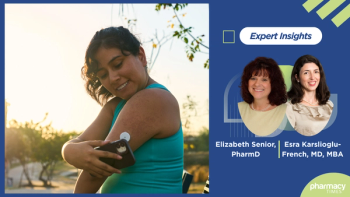
Coordinated pharmacist-led outreach, e-consults, and continuous glucose monitoring support improve diabetes outcomes, increase guideline-based therapy use, and impact total cost of care.
Cardinal Health’s 2026 Advanced Therapies Report found strong provider momentum for expanding advanced therapy administration into community settings.

For student pharmacists, patient advocacy begins long before graduation.
Fran Gregory, PharmD, outlines the expanding landscape of advanced therapies and the pivotal role specialty pharmacies play in bringing these complex treatments to community-based providers and patients.
Integrated health plan–provider collaboration enables pharmacists to drive proactive diabetes management, improve adherence, and expand access to CGM and lifestyle support.
2026 dyslipidemia guideline updates highlight earlier risk-based lipid management, expanded biomarker use, and a growing pharmacist role in cardiovascular prevention.
Craig Beavers and Kyle Fischer debrief on key late-breaking cardiovascular trials from the 2026 American College of Cardiology Scientific Sessions.

Cannabis use is common among patients receiving medications for opioid use disorder and is associated with higher rates of anxiety and other comorbid symptoms.
Combining AI-driven insights with human-first outreach can overcome the emotional and behavioral barriers driving specialty medication nonadherence.
The FDA expands teplizumab-mzwv use to ages 1+ with stage 2 type 1 diabetes, detailing PETITE-T1D safety, EBV/CMV precautions, and pharmacist support to delay onset.

Two studies presented at the World Congress of Nephrology 2026 highlight nonpharmacological strategies that may help preserve kidney function in at-risk populations.
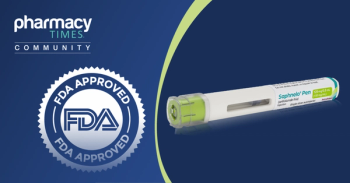
The once-weekly Saphnelo Pen offers adult patients with systemic lupus erythematosus a new, at-home alternative to monthly intravenous infusions, supported by robust phase 3 data.

Large real-world analysis supports potential renal and survival benefits of urate-lowering therapy in patients with chronic kidney disease and hyperuricemia.