
Insights from the American Diabetes Association 85th Scientific Sessions.
Insights from the American Diabetes Association 85th Scientific Sessions.

Eugene Przespolewski, PharmD, BCOP, DPLA, shares insights from his presentation at the 2025 OPC meeting in Austin, Texas.
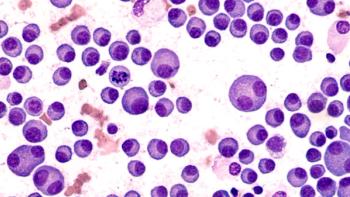
Sundar Jagannath, MD, discusses how prophylactic tocilizumab reduced cytokine release syndrome incidence and severity with talquetamab in relapsed or refractory (R/R) multiple myeloma.
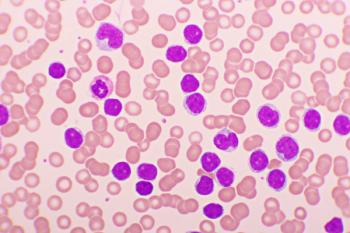
Andrew H. Wei, PhD, discusses phase 1b findings on the safety, pharmacokinetics, and preliminary efficacy of combining the menin inhibitor bleximenib with venetoclax and azacitidine in patients with newly diagnosed or relapsed/refractory acute myeloid leukemia (AML) harboring NPM1 mutations or KMT2A rearrangements.

Challenges faced by individuals living with HIV include weight gain, cardiovascular risks, and healthy aging strategies.

Omolola (Lola) Adeoye-Olatunde, PharmD, MS, discusses findings from a multi-year analysis of American Association of Colleges of Pharmacy (AACP) institutional data on faculty and graduate student representation in pharmacy education, highlighting persistent disparities and offering actionable strategies to improve equity and inclusion in the academic pipeline.
Nikita Dahake, MD; Hossein Borghaei, DO, MS; and Yasmine Baca, MS, PhD candidate, MB(ASCP)CM, explore how distinct HER2-alteration subtypes in non-small cell lung cancer (NSCLC) impact survival outcomes, co-mutation profiles, and treatment response to immunotherapy-based regimens.
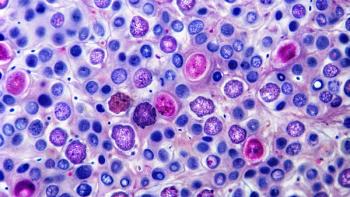
Franck Morschhauser, MD, PhD, discusses the novel cereblon-dependent bifunctional degrader BMS-986458, highlighting its selective targeting of BCL6, promising early efficacy in relapsed/refractory lymphoma, favorable safety profile, and future potential in combination regimens and earlier treatment lines.
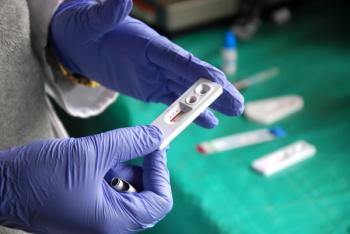
Pharmacists play a vital role in translating global health news into actionable knowledge for their communities.

Dave’s Pharmacy in Alliance, Nebraska, was named the Pharmacy of the Year for cutting-edge patient care.

Independent pharmacy owners Raj Chhadua and Marc Ost are turning to AI-powered tools to streamline operations, improve efficiency, and enhance patient engagement—without sacrificing the personal touch.

From vaccine drives and prescriber dinners to YouTube education and automated workflows, these pharmacy owners are finding innovative, hands-on ways to expand services, boost revenue, and stay connected to the communities they serve.

Laura R. Bobolts, PharmD, BCOP, shares actionable strategies for oncology pharmacists to navigate biosimilar and 505(b)(2) drug implementation, manage payer and formulary complexities, and optimize cost-effective care delivery across oncology service lines.
Keri Bates, PharmD, shares how the nomination validates years of hard work, highlights the deep relationships built with the community, and inspires continued growth and innovation.

Pharmacy-based clinical services demonstrate both public health impact and financial sustainability.

Innovative pharmacist-led care models—from tech-enabled Afib screenings and HPV immunizations to Medicare-supported diabetes prevention—demonstrate how pharmacies are redefining their role in team-based clinical care.
Empowering pharmacy technicians enhances team efficiency, improves patient care, and fosters a positive work culture, driving pharmacy success in a competitive landscape.

Dalpiciclib combined with endocrine therapy significantly enhances progression-free survival in HR+/HER2– breast cancer, as shown in the DAWNA-A trial.

The long-term outcomes from the CARTITUDE-1 trial in multiple myeloma and durable complete response data from the STARGLO trial in diffuse large B-cell lymphoma can be significant for these disease states.
Bates' insights offer a roadmap for creating a sustainable pharmacy workforce while strengthening patient care and operational efficiency.
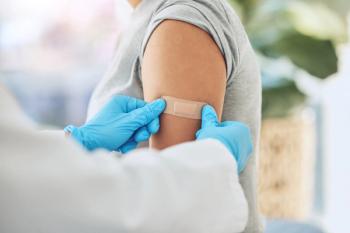
Annie Eisenbeis, PharmD, MBA, showcased how Missouri’s Pharmacy Vaccine Gap Closure Program is transforming pharmacy-based immunization services through scalable workflows, team training, and a redefined role for pharmacy technicians as community health workers.

Lara Zakaria, PharmD, introduced the topic of pharmaconutrition, urging pharmacists to integrate food, lifestyle, and gut health into patient care through evidence-based, practical interventions.

Kirollos S. Hanna, PharmD, BCPS, BCOP, FACCC, FAPO, discusses how oncology pharmacists can lead value-based care efforts under the Enhanced Oncology Model (EOM) by improving care coordination, managing costs, aligning with performance metrics, and leveraging clinical data systems to enhance patient outcomes.

Kirollos S. Hanna, PharmD, BCPS, BCOP, FACCC, FAPO, discusses the value of the 2025 ATOPP Summit in advancing oncology pharmacy through collaboration, innovation, and actionable strategies aligned with evolving value-based care models.

The 2025 National Lipid Association (NLA) Scientific Sessions highlighted a strategic shift toward early, aggressive cardiometabolic intervention, underscoring the vital role of pharmacists in implementing emerging therapies and optimizing cardiovascular risk reduction.