

Packed with CE sessions, interactive learning, expert insights, and a vibrant expo floor, McKesson ideaShare 2025 aims to equip independent pharmacists with the tools and strategies to elevate patient care and drive pharmacy innovation.
Packed with CE sessions, interactive learning, expert insights, and a vibrant expo floor, McKesson ideaShare 2025 aims to equip independent pharmacists with the tools and strategies to elevate patient care and drive pharmacy innovation.
The conference offers immersive, peer-driven education tracks designed to help independent pharmacies innovate, adapt, and thrive in a changing health care landscape.
Real-world data show that patients switching from Humira to biosimilars Hadlima and Hyrimoz achieve similar outcomes without hospitalization.
Obecabtagene autoleucel shows promising efficacy and safety in treating relapsed/refractory B-ALL, benefiting patients of all ages, including older adults.

Christopher Danes, PhD, discusses how discrete choice experiment data reveal key differences in patient and caregiver treatment preferences for ALK-positive (ALK+) non–small cell lung cancer (NSCLC) and how pharmacists can use these insights to guide shared decision-making, optimize supportive care, and personalize adherence strategies.

Gayathri Namasivayam, PhD, discusses how large language models are being used to extract structured oncology data from unstructured electronic health records to improve clinical efficiency, support real-world evidence generation, and enhance oncology pharmacy workflows.

Pharmacy experts share the benefits of the annual Oncology Pharmacists Connect meeting.

Combining benmelstobart and anlotinib shows promise for patients with squamous non-small cell lung cancer.
Kevin Chen, PharmD, MS, BCOP, CPP, highlighted key thoracic cancer advances from the 2025 ASCO Annual Meeting.
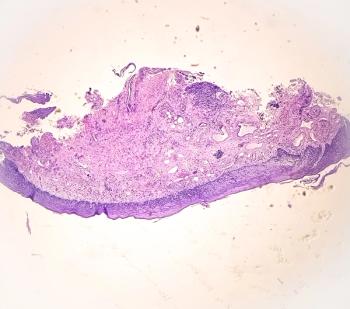
Jaume Capdevila, MD, PhD, discusses phase 1 data showing promising efficacy and manageable safety for obrixtamig in patients with high DLL3-expressing extrapulmonary neuroendocrine carcinomas, along with ongoing trials evaluating its use in both monotherapy and combination settings.
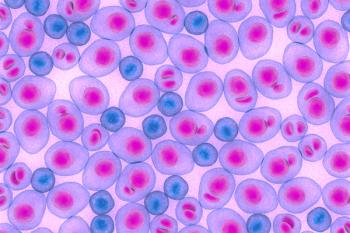
Data from a phase 1b study showed significantly reduced toxicity compared with conventional oral dosing.
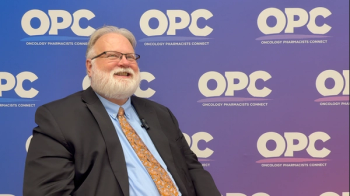
Scott Soefje, PharmD, MBA, BCOP, shares insights about the evolving role of pharmacists at the 2025 OPC meeting.
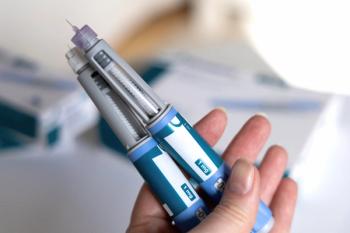
New research reveals that combining bimagrumab and semaglutide enhances fat loss while preserving muscle mass, revolutionizing obesity treatment strategies.
Gabe Hinojosa, PharmD, BCOP, shares key data for pharmacists from the 2025 American Society of Clinical Oncology Annual Meeting.
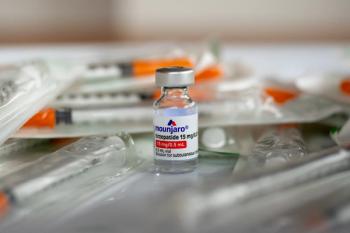
The session highlighted tirzepatide’s unique mechanism of action, based on comprehensive clinical data and real-world evidence.
Continuous glucose monitoring (CGM) is poised to transform type 2 diabetes management.
These changes are creating operational challenges for oncology infusion centers.
Continuous glucose monitors provide individuals with type 2 diabetes with real-time, actionable insights about their health.
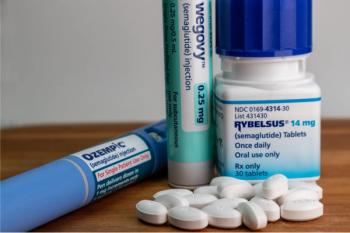
Oral semaglutide shows promising cardiovascular benefits for type 2 diabetes patients, reducing major adverse events by 14% in the SOUL trial.
CagriSema shows promising weight loss and metabolic benefits in recent trials, offering new hope for obesity and type 2 diabetes management.
Experts discuss the low prescription rates of ready-to-use glucagon for individuals with diabetes.
Expert shares insights on advancing diabetes care in community pharmacies.
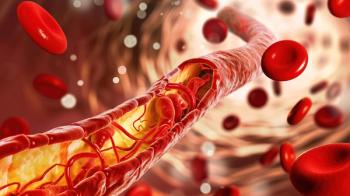
Semaglutide shows promise in enhancing walking ability and reducing disease progression in patients with type 2 diabetes and peripheral artery disease.
The expert discusses the evolving landscape of diabetes treatment, emphasizing the importance of comprehensive care beyond glucose management.

Oncology pharmacists are increasingly shaping patient care by integrating remote care, medication reconciliation, and artificial intelligence (AI), as well as by addressing drug shortages.
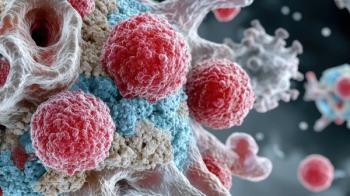
At the 2025 Oncology Pharmacists Connect (OPC) meeting, Kevin Chen, PharmD, MS, BCOP, CPP, reviewed several key studies from the 2025 American Society of Clinical Oncology (ASCO) Annual Meeting, highlighting significant advancements in the treatment of small cell and non–small cell lung cancer.
Heidi Finnes, PharmD, BCOP, FHOPA, discusses the evolving landscape of treatment of cutaneous malignancies.
Jolynn Sessions, PharmD, BCOP, FHOPA, shares her experience as a clinical pharmacist and the value of the Oncology Pharmacists Connect meeting.
Expert shares key upcoming sessions at the American Diabetes Association 85th Scientific Sessions.
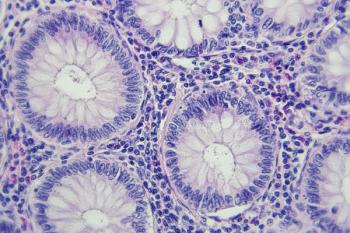
At the 2025 Oncology Pharmacists Connect (OPC) meeting, Courtney Cavalieri, PharmD, BCOP, presented clinical trial findings in gastrointestinal (GI) cancers—including colon, gastric, pancreatic, and metastatic colorectal cancer—that highlight the expanding role of immunotherapy and targeted treatments.