

A recent study reveals imlunestrant plus abemaciclib shows superior efficacy over fulvestrant plus abemaciclib in treating advanced ER+, HER2- breast cancer.
A recent study reveals imlunestrant plus abemaciclib shows superior efficacy over fulvestrant plus abemaciclib in treating advanced ER+, HER2- breast cancer.
Megan Dulohery Scrodin, MD, discusses COPD management challenges and the need for accessible care and cost reduction.

From embedded PrEP care to rapid outbreak response logistics, new models are showing how pharmacists can establish successful public health partnerships to enhance patient access and equity.

Elinzanetant was effective in women with low vasomotor symptom (VMS) burden and those with endocrine therapy-caused VMS.

Compared with late postmenopausal women, menopausal hormone therapy (MHT) may influence certain Alzheimer disease-related biomarkers in early postmenopausal women.
Subcutaneous amivantamab demonstrated robust activity in patients with recurrent or metastatic head and neck squamous cell carcinoma previously treated with checkpoint inhibitors and platinum chemotherapy.
The combination significantly improved event-free and overall survival compared with surgery alone, marking the first study to show an overall survival benefit in this patient population.
The phase 3 trial demonstrated significant improvements in overall and progression-free survival, reinforcing the combination as a standard-of-care option across MMR subgroups.

Sara Assaf, MD, shares insights on selecting biologic therapies for severe asthma, including biomarkers, patient factors, and managing nonresponders effectively.

The FDA's approval of GLP-1 for obstructive sleep apnea enhances treatment options, emphasizing pharmacists' vital role in patient care and management.

New findings reveal the Ki-67 index's crucial role in predicting breast cancer recurrence post-chemotherapy, while abemaciclib benefits all patient subgroups.

Increasing vaccine confidence demands that pharmacists move beyond simply sharing facts to utilizing effective communication strategies.

Olomorasib shows promising intracranial efficacy in treating KRAS G12C-mutant NSCLC with brain metastases, highlighting a potential shift in treatment strategies.
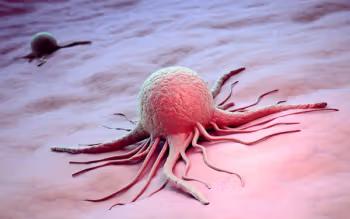

Long-term findings from the REASSURE study confirm Radium-223’s acceptable hematologic safety profile and reinforce the importance of early use alongside bone-protecting agents to minimize fracture risk and optimize outcomes.
Balazs Halmos, MD, discusses how the COPERNICUS trial aims to build on previous amivantamab studies.
In the ARANOTE trial, darolutamide combined with ADT significantly delayed disease progression and maintained quality of life for patients with metastatic hormone-sensitive prostate cancer, supporting its use as a chemotherapy-free option.

Personalized cancer vaccines target tumor heterogeneity, enhancing immune responses and improving treatment outcomes in diverse cancer types.

Experts at ESMO 2025 highlight antibody-drug conjugates in HER2-positive metastatic breast cancer treatment.

Emerging biomarkers and targeted therapies are reshaping the landscape of lung cancer treatment and drug development.
Nicoletta Colombo, MD, PhD, discusses why metronomic chemotherapy dosing and careful regimen design may have driven the success of the KEYNOTE-B96 trial.
Datopotamab deruxtecan-dlnk improved duration of response by roughly 5 months compared with chemotherapy in first-line mTNBC.
At ESMO 2025, Felix Guerrero-Ramos, MD, discussed SunRISe-1 data showing durable responses and low toxicity with TAR-200, the importance of training in device management, and how future biomarker research may refine patient selection and combination strategies.
Andrea Necchi, MD, shared SunRISe-4 primary results demonstrating higher pathologic response and relapse-free survival rates with TAR-200 plus sacituzumab compared with checkpoint inhibitor monotherapy, with no new safety signals observed.
Stephen Freedland, MD, highlighted data showing significant overall survival benefits in the EMBARK trial and discussed the continued role of monotherapy in preserving quality of life for select patients.
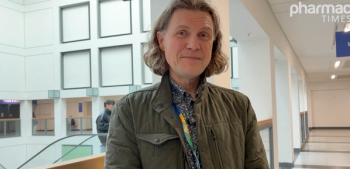
Thor Halfdanarson, MD, discussed early results showing favorable response rates and manageable safety with ^212Pb-VMT-α-NET, along with the role of PET imaging in optimizing patient selection for future trials.

Advances in targeted therapies, combination approaches, and novel treatment strategies are shaping the management of drug-resistant lung cancer.
Insights from ESMO 2025 highlight advancements in non-small cell lung cancer treatment, focusing on novel therapies and molecular diagnostics.
Felix Guerrero-Ramos, MD, outlines molecular and pharmacologic findings from SunRISe-1, including the high prevalence of TP53 alterations and the extended drug exposure achieved with the TAR-200 intravesical delivery system.
Oncologist Thor Halfdanarson reviews dose-finding data for the targeted α radioligand therapy [^212Pb]VMT- α-NET, highlighting manageable toxicity, stable renal function, and plans for phase 2 evaluation.