

Compared with fulvestrant, vepdegestrant significantly extended progression-free survival and improved response rates.
Compared with fulvestrant, vepdegestrant significantly extended progression-free survival and improved response rates.

Experts discuss BiTE therapy in treating lung cancers, focusing on innovative agents like tarlatamab and amivantimab, and their toxicity management.

MRD testing transforms multiple myeloma treatment, guiding personalized strategies and improving patient outcomes through innovative testing methods.
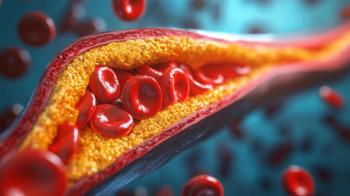
Kausik K. Ray, MD, discussed the importance of early, aggressive, and sustained LDL-C lowering for atherosclerotic cardiovascular disease prevention, highlighting that the magnitude of cardiovascular risk reduction is independent of the specific lipid-lowering therapy used.
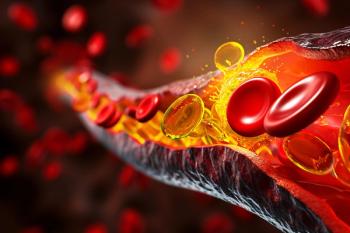
Børge G. Nordestgaard, MD, DMSc, discussed the role of remnant cholesterol as an independent risk factor for atherosclerotic cardiovascular disease and the emerging therapies that may help manage residual cardiovascular risk beyond low-density lipoprotein cholesterol reduction.

Incretin-based therapies, including GLP-1 and dual GLP-1/GIP receptor agonists, are transforming the management of type 2 diabetes, obesity, and cardiovascular risk.

Frank Qian, MD, MPH, discusses clinical considerations for omega-3 fatty acid therapy, such as the patient populations who may benefit most and important safety concerns.


Frank Qian, MD, MPH, discusses the clinical indications, dosing strategies, and cardiovascular outcomes data for prescription omega-3 fatty acids, including the ongoing debate about EPA vs EPA-DHA formulations and the implications of recent trial findings.

Explore how the gut microbiome influences cancer therapy responses, resistance mechanisms, and the potential of microbiota-focused strategies for improved outcomes.

GLP-1 receptor agonists, including semaglutide and tirzepatide, significantly reduce cardiometabolic risk factors such as dyslipidemia, type 2 diabetes, metabolic dysfunction-associated steatohepatitis, obstructive sleep apnea, chronic kidney disease, and cardiovascular events, with evidence suggesting that some of these benefits may occur independently of weight loss.

Gurjyot K. Doshi, MD, discusses key updates to medically integrated pharmacy standards, which reflect the evolving landscape of oral oncolytic therapy.

Emerging therapies targeting apolipoprotein C-III (ApoC3) are demonstrating significant promise in lowering triglycerides and reducing cardiovascular risk for patients with severe hypertriglyceridemia and rare disorders, such as familial chylomicronemia syndrome.

Building on positive low-density lipoprotein cholesterol (LDL-C)-lowering seen in patients with atherosclerotic cardiovascular disease, inclisiran was found to induce meaningful and sustained LDL-C reductions following recent acute coronary syndrome.

Enhanced dermatologic management reduces skin rash and improves quality of life for patients with EGFR-mutant non-small cell lung cancer.

A study of early-onset colorectal cancer found significant racial disparities, with younger patients more frequently diagnosed at advanced stages.


Zongertinib shows significant benefits in managing symptoms and improving quality of life for patients with HER2-mutated non-small cell lung cancer.

Sander Kersten, PhD, discusses the distinct roles of ANGPTL3 and ANGPTL4 in lipid metabolism, their interactions with key enzymes, the therapeutic potential of targeting these pathways in lipid-lowering strategies, and important considerations for pharmacists counseling patients on emerging ANGPTL-targeted therapies.

Katherine H. Saunders, MD, DABOM, explores the role of pharmacists in supporting long-term weight management with GLP-1 therapies, including strategies for counseling on lifestyle interventions, managing adverse effects, and ensuring patients receive individualized, evidence-based care.

Two abstracts from the American Society of Clinical Oncology (ASCO) annual meeting demonstrate that pretreatment DPYD genotyping improves the safety and cost-effectiveness of fluoropyrimidine chemotherapy, with oncology pharmacists playing a pivotal role in implementing and optimizing genotype-guided dosing strategies.

Hope Rugo, MD, discusses a multi-institutional real-world analysis showing that rechallenging trastuzumab deruxtecan after grade 1 interstitial lung disease (ILD) is generally safe and effective.

Elranatamab shows promising efficacy and manageable safety in transplant-ineligible newly diagnosed multiple myeloma patients, highlighting its potential as a treatment option.

Daratumumab combined with VRd significantly improved outcomes in transplant-ineligible/transplant deferred patients with newly diagnosed multiple myeloma.

Epcoritamab shows impressive long-term remission rates in relapsed large B-cell lymphoma, highlighting its potential as a key treatment option.

Alice H. Lichtenstein, DSc, emphasizes the importance of whole-food dietary patterns over macronutrient percentages for improving lipid profiles and cardiovascular health.

Pre-treatment DPYD genotyping significantly reduces hospitalizations and costs for patients with cancer, enhancing safety and efficiency in oncology care.

Grace Nguyen, PharmD, BCPS, provides real-world experiences with DPYD genotype-guided fluoropyrimidine dosing, highlighting how pharmacist-led interventions and tailored dose adjustments can help mitigate toxicity risks and optimize treatment in variant carriers.

The data from the phase 3 SEQUOIA study are to be presented at the 2025 ASCO Annual Meeting.

Imetelstat shows promise in treating myelofibrosis, enhancing survival, and modifying disease biology in patients resistant to JAK inhibitors.