
Expert highlights the benefits of early combination therapy in hypertension management, emphasizing improved blood pressure control and reduced side effects.
Expert highlights the benefits of early combination therapy in hypertension management, emphasizing improved blood pressure control and reduced side effects.
New research highlights the benefits of combining lutetium PSMA 617 with standard treatments, showing improved outcomes for prostate cancer patients.
Expert reveals ongoing disparities in heart valve disease care, stressing the need for improved diagnosis and treatment equity for vulnerable populations.
Boehringer Ingelheim showcases its commitment to cardio-kidney-metabolic research, highlighting innovative therapies and advancements at AHA 2025.

Discover how emerging therapies in cardio-kidney-metabolic health reshape disease management at AHA 2025, highlighting interconnected health pathways.
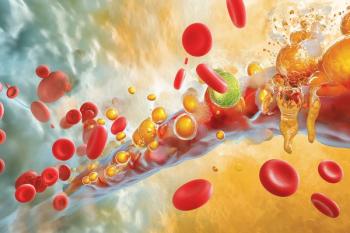
Integrating a pharmacist into multidisciplinary settings allowed for more thorough low-density lipoprotein cholesterol lowering in unique settings.
A new wrist-worn accelerometer device effectively monitors activity levels in heart failure patients, revealing critical insights into cardiovascular health.

Inclisiran significantly enhances LDL-C goal attainment in patients post acute coronary syndrome, improving lipid management outcomes.

New data from AHA 2025 demonstrate the benefits of pharmacist-led hypertension management in reducing hemoglobin A1c (HbA1c) and blood pressure in minority patients with type 2 diabetes.

Explore the critical role of pharmacists in improving cardiovascular health and addressing mortality trends in underserved communities.

A new drug, DR10624, shows promise in reducing triglycerides and liver fat, offering hope for patients with severe hypertriglyceridemia and fatty liver disease.
Shoa Clarke, MD, PhD, discusses the need for improved cholesterol testing and treatment in young adults, emphasizing the vital role of primary care teams and pharmacists in early intervention and adherence.
Explore the link between chronic kidney disease and cardiovascular risk, highlighting the importance of GFR and albuminuria in patient care.

Explore the need for integrated approaches in cardiovascular and kidney health to combat rising mortality rates and improve patient outcomes.
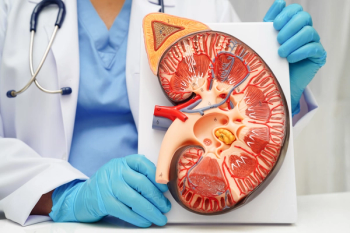
Experts at AHA 2025 advocate for integrated care in T2D and CKD, emphasizing cardiovascular risk management to enhance patient outcomes.
Discover how Sotatercept impacts cardiovascular health and its potential benefits for patients with pulmonary arterial hypertension (PAH) in this insightful article.

Pharmacists play a vital role in managing cardiovascular health, addressing medication adherence, and educating patients, said Zia Ul Haq, MPH, MBBS.
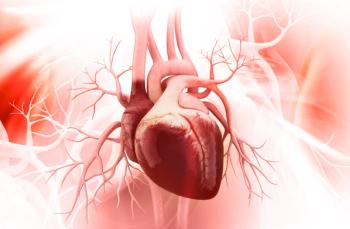

SGLT2 inhibitors significantly reduce atrial fibrillation risk and improve heart failure outcomes, outperforming GLP-1 agonists in cardiovascular benefits.

SHR-A1811 shows significant antitumor activity in early-stage HER2+ breast cancer, both alone and with pyrotinib, promising improved treatment outcomes.

Gedatolisib shows promise in enhancing progression-free survival for HR+/HER2– breast cancer patients resistant to standard therapies, as revealed in ESMO 2025.

Multiplex respiratory virus testing enhances clinical decision-making for RSV in community hospitals.

Long-term melatonin use for insomnia raises heart failure risks, highlighting the need for careful evaluation of sleep aids and underlying health issues.

These findings are from the WAYFINDER clinical trial and were presented at the CHEST 2025 Annual Meeting.
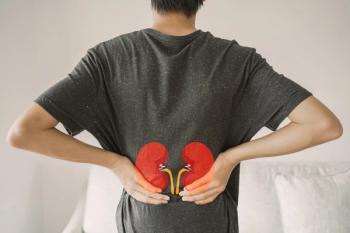
Although the incidence of vascular assess-associated infections (VAIs) was low, the incidence caused by noncuffed catheters (NCC) was high.

Two experts discuss sessions that covered perimenopause, premature ovarian insufficiency, GLP-1–based treatments, and the health needs of Indigenous and Hispanic women.

Research reveals a notable risk of invasive fungal infections in multiple myeloma patients undergoing BCMA-targeted CAR T-cell therapy, highlighting the need for vigilant monitoring.

Influenza significantly impacts agricultural workers in the Americas, highlighting urgent vaccination needs for public health and food security.
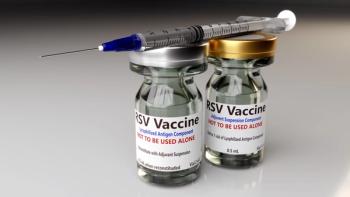
Low RSV vaccination rates among older adults in the US highlight missed opportunities for reducing hospitalizations and health care costs.

Explore the impact of GLP-1 medication on weight loss in menopausal women, highlighting the need for personalized treatment approaches.