

The authors said these data support the safety of current coadministration practice.
The authors said these data support the safety of current coadministration practice.

Cyclospora cases surge nationwide; learn symptoms, testing pitfalls, treatment, and smart food-water precautions as investigators search for the source.
Wendy St Peter, PharmD, explains how the new cardio-kidney-metabolic (CKM) syndrome guideline supports pharmacist-led medication management, staging tools, and deprescribing.

As cannabis evolves, pharmacists must recognize emerging risks from high-potency products, drug interactions, and use-related syndromes to improve patient safety.
The FDA expanded Casgevy’s indication to include children 2 years and older with sickle cell disease with recurrent VOCs or transfusion-dependent β-thalassemia, making it the first gene therapy approved for patients as young as 2 years with SCD.

By targeting aldosterone synthesis directly, baxdrostat offers a novel mechanism for addressing resistant hypertension.

AZA Allsop, MD, PhD, outlines what REMS-style safety monitoring could look like for psychedelic therapies and why top institutions are investing heavily.

In modernizing sunscreen options, the FDA has added the first new organic active ingredient, bemotrizinol, to the OTC sunscreen monograph.

Because influenza outbreaks follow a humidity‑temperature curve, climate change may shift flu epidemics and reshape risk from tropics to temperate regions.

Pharmacists who understand both the clinical and the contractual dimensions of these policies are positioned to translate between the payer's cost logic and the provider's patient safety argument.

A study found worsening chronic kidney disease (CKD) severity was independently associated with increased mortality risk and exponentially higher rates of kidney replacement therapy initiation following ICU admission.

Messenger RNA vaccines were effective against any documented SARS-CoV-2 infection, against hospitalization, and against mortality within 14 to 42 days of vaccination.

The POSEIDON clinical trial shows that high-sensitivity C-reactive protein levels remain elevated in approximately 2 in 5 patients with CVD, pointing to a gap in residual inflammatory risk management.
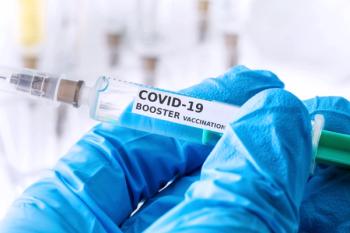
COVID-19 boosters can also neutralize certain bat and pangolin coronaviruses, while immune "imprinting" from a person's first viral exposure limits how well that protection adapts to newer variants.
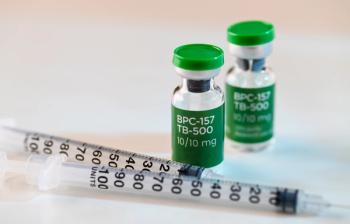
Only 3 uncontrolled pilot studies with a combined sample size of 30 participants have been reported for BPC-157.

A randomized clinical trial found that both family-based therapy and individual psychoeducational motivational therapy improved symptoms of avoidant/restrictive food intake disorder.
Yale's AZA Allsop, MD, PhD, on psychedelics as medicine vs wellness tools, and why naturalistic research settings matter for the field.

As OTC drink-spiking detection products become more widely available, pharmacists can play a critical role in counseling patients on their benefits, limitations, and appropriate response to suspected drink tampering.
The FDA clears roflumilast, a PDE4 inhibitor, for once-daily steroid-free plaque psoriasis care in kids ages 2+.

Findings from a multicenter cohort study suggest glucagon-like peptide-1 (GLP-1) receptor agonist therapy may be associated with an elevated risk of sensory disturbances.
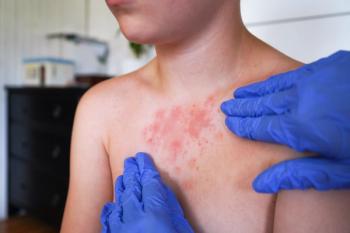
The approval adds a 55-mg prefilled syringe for weight-based dosing and makes risankizumab the first IL-23 inhibitor cleared for pediatric patients weighing less than 40 kg.

AML and menin inhibitors transform acute myeloid leukemia treatment: FDA-approved choices, MEN1 protein target, and bedside toxicity monitoring.

PCOS becomes PMOS, spotlighting metabolic and endocrine risks.

Be confident that you have researched all avenues and feel secure in making your recommendations.
Veligrotug-vvze is the first FDA-approved thyroid eye disease treatment with data in both active and chronic disease.
A compliance expert outlines what's next for GLP-1 compounding oversight and how pharmacists can stay audit-ready.

Biosimilars are equally safe and cut costs. Pharmacists can ease patient fears at the counter.
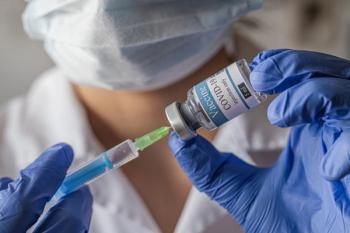
Interim data, briefly held back from the CDC’s weekly report, show the reformulated shot added meaningful protection even among adults with substantial existing immunity.

Compared with placebo, adult patients with ADHD and comorbid anxiety had greater change from baseline in AISRS total score at week 8.
Timothy Clifford, PharmD, outlines how quality-of-life impact, comorbid conditions, and prior therapy failures guide biologic selection for CRSwNP.