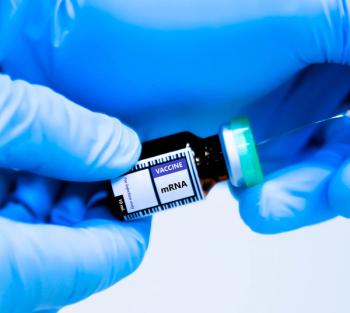
The data helps pharmaicts predict who will react strongly to mRNA vaccines—giving them a science-backed talking point during respiratory season.
FDA clears ensitrelvir oral postexposure pill to prevent symptomatic COVID-19 after close contact, cutting infections in household trial with comparable safety.
The FDA approved the oral antiviral ensitrelvir (Xocova; Shionogi & Co, Ltd) for postexposure prophylaxis (PEP) of COVID-19 in adults and adolescents 12 years and older following contact with an individual who has COVID-19. The approval marks the first and only oral option available to help prevent symptomatic COVID-19 after known exposure, addressing a meaningful gap in the current US therapeutic landscape. The drug was approved ahead of its Prescription Drug User Fee Act action date of June 16, 2026, and is now authorized in both the US and Japan.1
Ensitrelvir is an oral, selective inhibitor of the SARS-CoV-2 main protease, an essential enzyme for viral replication. By blocking this protease, ensitrelvir suppresses SARS-CoV-2 replication before symptomatic infection can become established. The regimen consists of 3 tablets (375 mg total) taken on day 1, followed by 1 tablet (125 mg) once daily on days 2 through 5, for a total treatment duration of 5 days.1
Unlike therapeutic antivirals that target existing infection, ensitrelvir's approval in the PEP setting is intended for individuals who have been exposed to a confirmed case but have not yet developed symptomatic illness. The drug's mechanism is well-suited to this window of opportunity.1
The approval was supported by the SCORPIO-PEP trial (NCT05897541), a randomized, double-blind, placebo-controlled phase 3 study evaluating ensitrelvir in household contacts of individuals with symptomatic COVID-19. Participants were enrolled and randomly assigned within 72 hours of symptom onset in the index patient. A total of 1030 patients received ensitrelvir and 1011 received placebo.1,2
The primary end point was the development of COVID-19, defined by a centrally confirmed positive reverse transcription polymerase chain reaction (RT-PCR) test and the presence of at least 1 of 14 prespecified COVID-19 symptoms lasting 48 hours or longer, by day 10 in the modified intention-to-treat population (participants who had a confirmed negative baseline RT-PCR and received at least 1 dose of study drug or placebo). Results were published in the New England Journal of Medicine.3
The incidence of COVID-19 was markedly lower in the ensitrelvir group (2.9%) than in the placebo group (9.0%), with a risk ratio of 0.33 (95% CI, 0.22–0.49; P < .001). No hospitalizations or deaths specifically attributed to COVID-19 were reported in either arm. The safety profile was comparable between groups, with adverse events occurring in approximately 15.1% of the ensitrelvir group vs 15.5% with placebo, and serious adverse events reported in only 0.2% of patients in each group.3
Pharmacists are well-positioned to counsel patients and caregivers on the appropriate use of ensitrelvir following a known COVID-19 exposure. Key counseling points include the importance of initiating treatment promptly—ideally within 72 hours of exposure—and the proper dosing schedule. Patients should also understand that ensitrelvir was effective regardless of prior vaccination status or immunity from prior infection, broadening its potential utility across diverse patient populations.1
The approval is particularly relevant in congregate settings such as nursing homes, long-term care facilities, and acute care environments, where outbreak management is critical and rapid oral prophylaxis may be especially valuable.1
Ensitrelvir is a potent inhibitor of CYP3A and has significant potential for drug interactions. Coadministration with drugs that are highly dependent on CYP3A for clearance and for which elevated plasma concentrations may result in serious or life-threatening adverse reactions is contraindicated. Prescribers and pharmacists should conduct thorough medication reconciliation prior to initiating therapy.1
Patients should be assessed for potential interactions with immunosuppressants, certain antifungals, statins, and other commonly used medications metabolized via CYP3A. As with other direct-acting antivirals, monitoring for emerging resistance patterns over time will also be clinically relevant.1
about 2 months ago
Vaccine Guidance Is Rapidly Changing—Here's What You Need to Knowabout 2 months ago
Think Like a Millionaire2 months ago
Medicine for Migraine: Moving Closer to Relief2 months ago
Charting a Responsible Course for AI