
New SYNCHRONIZE data signal broad metabolic and hepatic benefits.
New SYNCHRONIZE data signal broad metabolic and hepatic benefits.

A pilot survey presented at ADA Scientific Sessions found that although health care professionals reported high awareness of DSMES, important gaps in actual understanding remain.

Dave Dixon, PharmD, examines why SGLT2 inhibitor and GLP-1 uptake remain low and how pharmacists can bridge the gap between evidence and implementation.
Expert Lance Sloan, MD, MSE, FACE, FASN, FACP, FEAA, FASPC, discusses CATALYST trial data on mifepristone, glucagon-like peptide-1 receptor agonist (GLP-1 RA) resistance, and screening for hypercortisolism in uncontrolled type 2 diabetes (T2D).
Adding semaglutide to existing regimens in older adults with inadequately controlled T2D significantly reduced HbA1c, fasting blood glucose, body weight, and blood pressure.
Targeted diabetes education improved pharmacists' confidence and competence in addressing clinical inertia, with survey data identifying leading causes of delayed treatment intensification in type 2 diabetes.
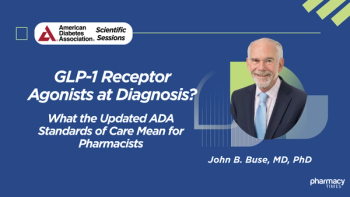
John Buse, MD, PhD, breaks down the 2026 American Diabetes Association (ADA) hyperglycemia guidance update, including earlier glucagon-like peptide-1 (GLP-1) receptor agonist and sodium-glucose cotransporter 2 (SGLT-2) inhibitor use and a broader holistic care framework.

Real-world ADA 2026 data shows bempedoic acid add-on lowers major heart risks in type 2 diabetes more than ezetimibe, despite smaller LDL drops.

Jillian Fetzner, MSN, APRN-CNP, described how integrating pharmacists into a collaborative practice agreement processed 3750 diabetes refill requests without provider involvement.
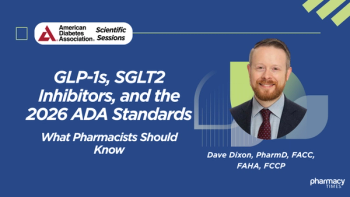
Dave Dixon, PharmD, breaks down the key cardiovascular and kidney risk management updates in the 2026 ADA Standards of Care and what they mean for pharmacy practice.

Both slow and fast transition periods were safe and effective, with minimal adverse events.

A pharmacist-led refill authorization program in endocrinology eliminated 3750 refill requests from provider in-baskets in 2025.

PET scans show long COVID mood and brain fog link to limbic activity, not widespread brain inflammation, reshaping COVID-19 treatment targets.

ADA data show CGM plus pharmacist groups helps seniors with type 2 diabetes prevent hypoglycemia, boost confidence, and prompt safer meds.

The policy direction is clear, but the regulatory mechanics are still working their way through the system.

Recent developments reflect a broader shift toward individualized, biologically informed care.

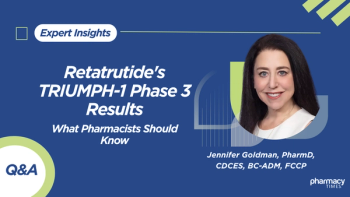
As retatrutide moves toward FDA submission, Jennifer Goldman, PharmD, breaks down the TRIUMPH-1 data—and what they mean for patient selection, dose escalation counseling, and positioning within the antiobesity pipeline.
The FDA approved the oral antiviral ensitrelvir (Xocova; Shionogi & Co, Ltd) for post-exposure prophylaxis (PEP) of COVID‑19 in adults and adolescents 12 years and older.

Emerging evidence suggests that some individuals develop nutritional deficiencies during treatment, whereas others experience biologically driven GLP-1 resistance.

Pharmacists guide summer safety with sun protection, heat-illness counseling, and travel health tips—quick advice that prevents serious risks.

Disparities in education access and quality, income level, and race and ethnicity are SDoH that make a major impact on diabetes and its management in the US.
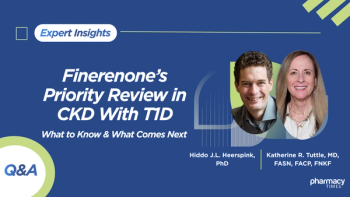
With no new kidney-protective therapies approved in T1D for over 3 decades, experts break down the clinical significance of finerenone's FDA priority review and what pharmacists need to know.
Afrezza is the only ultra rapid-acting inhaled insulin approved by the FDA to improve glycemic control in children, adolescent, and adult patients with diabetes.

A cross-sectional analysis of nearly 30,000 US adults found that economic instability, food insecurity, limited education, and poor social context each independently elevated the odds of advanced cardiovascular-kidney-metabolic (CKD) syndrome—but not equally across all groups.
The ability to anticipate access delays, navigate benefit changes, and protect continuity of care has become a defining role of modern pharmacy practice.

Dermatology care for skin of color can be improved by understanding inflammation-driven hyperpigmentation, safer treatments, and addressing education gaps that delay diagnosis and worsen outcomes.
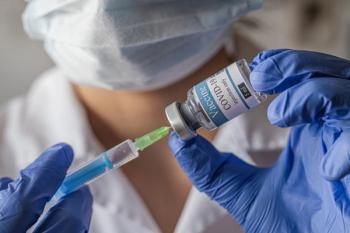
New household data show recent COVID-19 shots cut at-home spread by 43%, strengthening pharmacist counseling on staying up to date.

Tim Casey addresses what this means for health care providers and pharmacists, and why this may represent a rare window for meaningful, bipartisan reform.
Joe DePinto of McKesson outlines the workflow barriers slowing CGT migration to community oncology, the reimbursement reforms needed to scale access, and the pharmacist’s pivotal role in making it all work.