
The approval clears the way for a new vaccine option for older adults ahead of the 2026-2027 flu season.
The approval clears the way for a new vaccine option for older adults ahead of the 2026-2027 flu season.

Reflections on the 2025-2026 AACP Argus Commission Forecast
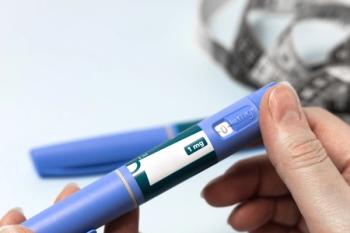
In adults with alcohol use disorder and diabetes or obesity, semaglutide or tirzepatide lowered hospitalization risk across 4 target trial emulations.

Orzeyful is the first orexin-restoring therapy for NT1, backed by the phase 3 FirstLight and RadiantLight trials.
Craig Beavers, PharmD, discusses a new American College of Cardiology expert consensus decision pathway that shifts HFpEF management from ejection fraction alone toward phenotype-driven diagnosis and treatment.
Schwartz must immediately address a measles crisis that has reached a 35-year high in the US, as well as a growing Cyclospora outbreak

Pharmacists are well positioned to clear the confusion on treatments for menopause through evidence-based counseling and individualized symptom management.
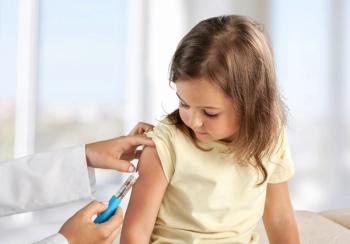
The findings point to persistent vaccine hesitancy and access gaps in the years since the COVID-19 pandemic, with authors calling for stronger clinician recommendations and school-based vaccination sites.
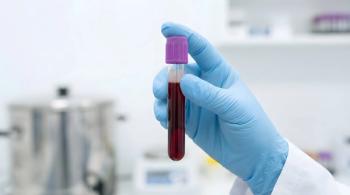
FDA-approved colorectal cancer blood tests—Shield, Epi proColon, SimpleScreen—expand blood-based screening, but positives still need colonoscopy.

A randomized trial found that medically tailored groceries cut hemoglobin A1C by 0.40 points and sharply improved food security in adults with type 2 diabetes.
A new machine learning version of the Martin-Hopkins equation matches the original's accuracy while making implementation easier for laboratories.

FDA-cleared HPV self-collection kits like Teal Wand expand cervical cancer screening; pharmacists support follow-up, HPV education, and Gardasil.

Oral liposomal vitamin C dietary supplementation demonstrates improved pharmacokinetics and pharmacodynamics, but a difference on immunity is inconclusive.
Jerry P. Abraham, MD, MPH, CMQ, discusses why COVID-19 prevention strategies, including ensitrelvir for postexposure prophylaxis, remain essential for protecting vulnerable patients amid persistent summer transmission.
Jerry P. Abraham, MD, MPH, CMQ, discusses how ensitrelvir's new post-exposure prophylaxis indication gives pharmacists a critical 72-hour window to help prevent COVID-19 in high-risk patients.
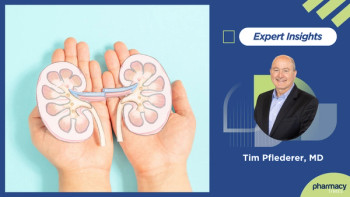
A nephrologist makes the case that value-based care is team-based care—with pharmacists, care managers, and dietitians in the loop.

In the first episode of Pharmacy Focus: Financial Wellness, host Tim Ulbrich, PharmD, introduces the podcast’s mission to help pharmacy professionals manage their finances confidently and build a life aligned with their values.
Traveler’s diarrhea (TD) is a digestive tract disorder typically characterized by 3 or more unformed stools within a day, with at least 1 of the following symptoms: fever, nausea, vomiting, abdominal cramps, constant urge to defecate, or bloody stools. TD is associated with travel to areas with poor sanitary conditions and is caused by ingestion of food or water contaminated with viruses, protozoal parasites, or, most commonly, bacteria such as E coli, Campylobacter jejuni, Shigella spp, and Salmonella spp. It is estimated that TD affects 30% to 70% of travelers during a 2-week trip to high-risk regions, depending on the destination and season of travel. The management of TD involves extensive hydration and the use of antimotility agents, such as loperamide and diphenoxylate for mild cases. Antibiotics such as azithromycin, rifaximin, and fluoroquinolones are typically reserved for moderate or severe cases.2 Notably, antimotility agents alone should be avoided in patients with bloody diarrhea or fever. Antibiotics are effective in reducing the duration of diarrhea by approximately 1 to 2 days. Challenges associated with antibiotic use include rising antibiotic resistance and the adverse effects associated with these agents. Moreover, overuse of antibiotics disrupts beneficial gut flora and may increase susceptibility to other infections.2 Ideally, however, TD should be prevented before it even starts. Strategies for prevention include making careful food and beverage choices and carefully washing or sanitizing hands before eating. Drugs used prophylactically include bismuth subsalicylate or, rarely, antibiotics for short-term travelers who are high-risk hosts.2 Study findings have shown that bismuth subsalicylate reduces the incidence of TD by approximately 50%.2 An alternative strategy that has been explored for prophylaxis of TD is the use of probiotics. Probiotics Probiotics are non-infection–causing microorganisms of various strains that are consumed through foods such as yogurt or taken as supplements.3 Probiotics are believed to possess therapeutic effects stemming primarily from their ability to compete with pathogenic bacteria in the host tissue. Although primarily known for their potential use in gastrointestinal-related conditions, there has also been interest in exploring the benefits of probiotics in the management of other conditions, such as depression, diabetes, and as immune modulators.3 According to NatMed Pro, probiotics are “possibly effective” in alleviating antibiotic-associated diarrhea, irritable bowel syndrome, radiation-induced diarrhea, rotaviral diarrhea, ulcerative colitis, and unspecified forms of diarrhea. NatMed Pro’s category of “possibly effective” indicates the presence of limited clinical evidence that precludes strong recommendations due to insufficient high-quality evidence. As for TD, NatMed Pro notes that there is “insufficient evidence” to rate probiotics for this use.3 Search of the Literature To assess the benefit of probiotics in the prevention of TD, we have conducted a PubMed search restricted to the past 5 years, using the terms “traveler’s diarrhea” and “probiotics.” To obtain the highest level of evidence, we limited our search to meta-analyses. Our search yielded 2 relevant articles specific to the use of probiotics for preventing TD. Review of Studies Alharbi and Alateek conducted a systematic review and meta-analysis to assess the overall effects of probiotics in the prevention of TD.4 Databases searched included PubMed, Embase, and the Cochrane Library. The search was unrestricted to language or publication year. The reviewers pooled data from 10 randomized controlled trials, which included between 50 and 7300 participants. The studies examined 10 different formulations of probiotics as both single and mixed strains.4 The reviewers reported that the incidence of TD in the probiotic groups ranged from 3.9% to 53.2%, while in the placebo groups it ranged from 7.6% to 70.7%. Several strains of probiotics, including L acidophilus, L rhamnosus, L fermentum, S cerevisiae, and S boulardii, demonstrated potential effectiveness in reducing the incidence of TD. Notably, L acidophilus was only efficacious when mixed with other strains.4 Although labeled as a meta-analysis, a single statistical analysis of the pooled data was not reported by the reviewers. While not explicitly stated by the authors, this might be the result of the heterogeneity among the included studies and variations in probiotic strains, dosages, durations, and participant characteristics. The reviewers also noted that some of the studies included in this review were from nonindexed publications, possibly impacting the quality of the individual studies included in this review. Overall, the reviewers concluded that this analysis suggests that probiotics have the potential for preventing TD, but further studies are needed.4 Fan et al. conducted a systematic review and network meta-analysis to compare the efficacy of probiotics with that of rifaximin for prevention of TD.5 Seventeen randomized controlled trials were retrieved via MEDLINE, Embase, the Cochrane Central Register of Controlled Trials, and clinical registries, from database inceptions up to November 30, 2021. The studies’ populations were healthy adults aged 18 years or older without comorbidities who planned to travel and took preventative treatments. The total number of subjects included in the meta-analysis was 6012.5 The reviewers reported that compared with placebo, both probiotics and rifaximin were associated with lower incidence of TD (probiotics RR 0.85, 95% CI 0.76-0.95; rifaximin RR 0.47, 95% CI 0.35-0.63). Furthermore, rifaximin was more effective than probiotics (RR 0.56, 95% CI 0.4-0.78). The analysis showed that the most effective probiotic formulation was a combination of L acidophilus, L bulgaricus, B bifidum, and Strept thermophilus. The reviewers concluded that both rifaximin and probiotics are more effective than placebo in preventing TD but rifaximin showed better efficacy than probiotics.5 Clinical Implications The aforementioned literature suggests that probiotics may be useful in decreasing the likelihood of TD; however, definitive recommendations for their use cannot be made. While the research suggests that several strains or combinations of strains may be effective in preventing TD, further studies are needed to establish their place in therapy. Considering the above, a sound approach to preventing TD would be taking dietary precautions while traveling to endemic areas, maintaining proper hygiene, possibly using bismuth subsalicylate prophylactically, and using antibiotics prophylactically only when the traveler is at high risk.2 Patients seeking to use probiotics for this purpose should be counseled about the limited evidence to support their use and their limited efficacy, while acknowledging that probiotics are generally considered safe. When used concomitantly with antibiotics, the effects of probiotics may be diminished, and caution should be exercised in patients who are immunocompromised.3 REFERENCES 1. Yates J. Traveler’s diarrhea. Am Fam Phys. 2005;71(11):2095-2100. 2. Travelers’ diarrhea. CDC. March 24, 2026. Accessed July 28, 2026. https://www.cdc.gov/yellow-book/hcp/preparing-international-travelers/travelers-diarrhea.html 3. Probiotics. NatMed Pro. Accessed July 28, 2026. https://naturalmedicines.therapeuticresearch.com/Data/ProMonographs/Probiotics 4. Alharbi BF, Alateek AA. Investigating the influence of probiotics in preventing Traveler’s diarrhea: meta-analysis based systematic review. Travel Med Infect Dis. 2024;59:102703. doi:10.1016/j.tmaid.2024.102703 5. Fan H, Gao L, Yin Z, Ye S, Zhao H, Peng Q. Probiotics and rifaximin for the prevention of travelers’ diarrhea: a systematic review and network meta-analysis. Medicine (Baltimore). 2022;101(40):e30921. doi:10.1097/MD.00000000030921

As options expand, pharmacists play an increasingly important role in working collaboratively with prescribers and patients to deliver individualized, evidence-based care.
Morning appointments don't appear to offer any immunologic edge over afternoon ones, new data from more than 15 million patients suggest.

Modern pharmacists increasingly serve as translators, helping patients navigate health care complexity, reduce confusion, and improve understanding through meaningful conversations.
An FDA advisory vote boosts access hopes for peptide supporters, but compounding remains illegal pending rulemaking.
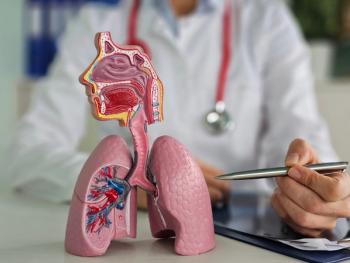
Preclinical data show a GLP-1 receptor agonist reprogrammed lung macrophages and prevented post-COVID pulmonary fibrosis in diabetic mice.
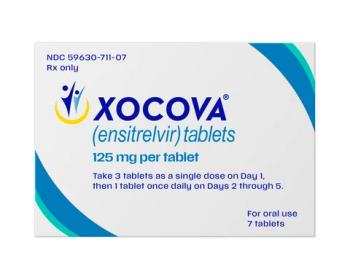
FDA clears ensitrelvir oral postexposure pill to prevent symptomatic COVID-19 after close contact, cutting infections in household trial with comparable safety.
Although the FDA committee's vote does not change what is currently legally available, it signals where the regulatory landscape is heading in the future.
Tim Pflederer, MD, of Evergreen Nephrology, explains why proteinuria, diabetes, and heart failure all point toward the same 2 drug classes.

Food as Medicine programs that do not include pharmacist-led food-drug interaction screening are clinically incomplete.

Taking a new medication is a step toward healing, but danger may lie in how different drugs, supplements, and even foods and drinks react behind the scenes.
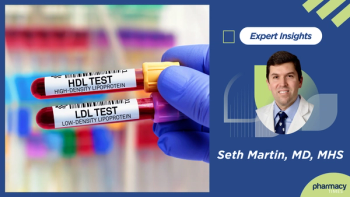
Seth Martin, MD, MHS, discusses a simplified machine-learning equation that helps labs deliver more accurate LDL-C results at no cost.

Most websites selling GLP-1 receptor agonists prescribed medication with minimal clinical vetting, raising safety concerns pharmacists should be aware of.