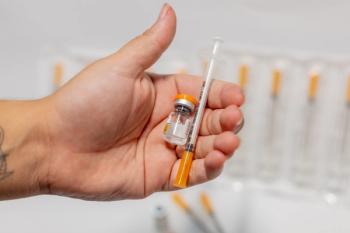
VAX-31 met all primary end points against PCV20 and PCV21 in the pivotal phase 3 OPUS-1 trial.
Flu vaccine rates are lagging as hesitancy rises, but community pharmacists boost vaccination with trusted counseling, easy access, and outreach.
Influenza continues to be a significant public health challenge in the United States, causing millions of illnesses, hundreds of thousands of hospitalizations, and thousands of deaths annually.1 Annual influenza vaccination remains the most effective strategy for reducing influenza-related morbidity and mortality. Despite long-standing recommendations from public health organizations, influenza vaccination rates in the United States have declined in recent years, raising concerns among health care professionals and public health officials.2 As one of the most accessible health care providers, community pharmacists are uniquely positioned to address this decline and restore vaccine uptake.
According to the CDC, influenza vaccination coverage during the 2024-2025 influenza season was 43.8% among individuals 6 months and older.2 Coverage among children declined to 50.2%, representing a decrease of more than 13% compared with just 5 years prior.2 Adult vaccination coverage was similarly low at 41.9%.2 These findings continue a concerning trend that has been observed over the past decade and has accelerated since the COVID-19 pandemic.
Several factors likely contribute to declining influenza vaccination rates, including increasing vaccine hesitancy. The World Health Organization has identified vaccine hesitancy as a major global health threat, and many studies have demonstrated that concerns regarding vaccine safety, effectiveness, and trust in health care institutions are among the primary reasons individuals decline vaccination.3,4 The COVID-19 pandemic amplified public discourse surrounding vaccines and facilitated the spread of misinformation, potentially influencing attitudes toward routine immunizations, including influenza vaccination.4 Additionally, many patients who have negative opinions of or who experienced an adverse reaction to the COVID-19 vaccine have translated those sentiments to the influenza vaccine.
Another contributing factor is vaccine fatigue. Following multiple years of COVID-19 vaccination campaigns, changing booster recommendations, and vaccine mandates, many individuals report feeling overwhelmed by vaccine-related messaging and may be less inclined to receive annual influenza vaccination.5 This phenomenon appears particularly prevalent among younger adults and individuals who perceive themselves to be at low risk for severe influenza infection.
Misunderstanding vaccine effectiveness also contributes to reduced vaccine acceptance. Influenza viruses undergo frequent antigenic changes and mutations, necessitating annual vaccine reformulation and leading to variable effectiveness from season to season.1 Some patients mistakenly interpret less-than-perfect effectiveness as evidence that influenza vaccines are ineffective or unnecessary. However, evidence consistently demonstrates that influenza vaccination reduces the risk of infection, severe disease, hospitalization, and death.1 The CDC estimates that influenza vaccination during the 2023-2024 season prevented approximately 9.8 million illnesses, 4.8 million medical visits, 120,000 hospitalizations, and nearly 8000 deaths in the US.6
The public health implications of declining vaccination rates are substantial. Reduced vaccine coverage increases susceptibility to seasonal outbreaks and places vulnerable populations (eg, older adults, young children, pregnant individuals, and patients with chronic medical conditions) at greater risk of influenza-related complications.1 Increased influenza transmission also contributes to health care system strain through higher rates of emergency department visits, hospitalizations, and absence from work and school.
Community pharmacists are well positioned to combat the declining influenza vaccine rates and can play a critical role in reversing this trend. Pharmacists are among the most accessible health care professionals, with approximately 90% of Americans living within 5 miles of a community pharmacy.7 This accessibility provides frequent opportunities to assess immunization gaps and recommend vaccination. Additionally, pharmacists remain among the most trusted health care professionals, and since the pandemic, they have become vaccine experts in the eyes of most patients.
One of the most effective interventions pharmacists can implement is proactive patient education. Study findings consistently demonstrate that health care provider recommendation is one of the strongest predictors of vaccine acceptance.8 Pharmacists should engage patients in individualized discussions, address concerns regarding vaccine safety and effectiveness, show empathy and acknowledge patient concerns, and provide evidence-based information to counter misinformation. Personalized recommendations may be particularly effective among vaccine-hesitant individuals. Explaining why a patient may be more susceptible to serious influenza-related complications (older age, underlying conditions, etc) can help patients understand their personal risk.
Pharmacists can also identify and target high-risk populations through medication therapy management services, chronic disease consultations, and routine prescription encounters. Patients with conditions such as diabetes, cardiovascular disease, chronic obstructive pulmonary disease, and asthma face increased risks of influenza-related complications and should be prioritized for vaccination counseling.1 One of the most underused tools in community pharmacies is the practice of coadministration. Patients who are receiving 1 vaccine are often candidates for other vaccines as well. Offering multiple vaccines in a single visit provides the same protection, is more convenient, and only slightly increases the risk of mild adverse effects, which dissipate quickly.9
Improving convenience is another strategy pharmacists can employ. Community pharmacies frequently offer online scheduling options, walk-in immunization services, extended evening and weekend hours, and minimal wait times. Reminder systems, including text messages, mobile applications, and automated phone calls, have also been shown to improve vaccination rates by reducing missed opportunities for immunization.10 Many larger retail chains have robust systems to enhance convenience, but smaller chains may also have opportunities to improve vaccine uptake. Community outreach initiatives further expand pharmacists’ impact and provide convenience by offering immunizations at a location closer to the patient. Partnerships with schools, employers, senior centers, faith-based organizations, and local public health agencies can increase vaccine accessibility and awareness by offering on-site health fairs or vaccine clinics staffed by a pharmacist. Such initiatives may be particularly beneficial in medically underserved communities where access to traditional health care services is limited.
Perhaps most importantly, pharmacists can foster trust. Building trusting relationships through respectful, patient-centered communication is essential when addressing vaccine hesitancy. Rather than dismissing concerns, pharmacists should listen actively, acknowledge uncertainties when appropriate, and provide clear, evidence-based guidance. Trust in health care providers remains one of the most influential factors in vaccine decision-making.10
Declining influenza vaccination rates represent a growing public health concern with significant consequences for patients and health care systems. However, community pharmacists are uniquely positioned to address barriers to vaccination through education, accessibility, outreach, and trust-building efforts. By leveraging their accessibility and expertise, pharmacists can help improve influenza vaccine uptake and contribute to better health outcomes within their communities.
3 months ago
Influenza Vaccine Preparation Checklist