
The gap is not a paperwork inconvenience—it is a cash flow problem with clinical consequences.

Mohammed Chammout, PharmD, BCMTMS, is a Clinical Access and Reimbursement Specialist and founder of MKC Strategic Solutions, a consulting practice focused on specialty drug access, benefit verification, and PBM policy. He also serves on the Dispense Times Editorial Advisory Board.
The gap is not a paperwork inconvenience—it is a cash flow problem with clinical consequences.

Eight Humira biosimilars have been launched, but payer formularies and interchangeability rules decide what dispenses.

Independent pharmacies should build documentation, watch rulemaking, and press for transparency terms in every contract renewal.

When a PA is incomplete or missing the right documentation, the rejection lands at the pharmacy counter, not the prescriber's desk.

An FDA advisory vote boosts access hopes for peptide supporters, but compounding remains illegal pending rulemaking.

The first 2 weeks have produced a specific, recurring set of counter-level problems that have nothing to do with clinical appropriateness.

Patients with cancer on semaglutide or tirzepatide face hidden drug-drug interactions such as slowed absorption and nausea, requiring antiemetics and pharmacist coordination.

Pharmacists who understand both the clinical and the contractual dimensions of these policies are positioned to translate between the payer's cost logic and the provider's patient safety argument.

Biosimilars are equally safe and cut costs. Pharmacists can ease patient fears at the counter.

Pharmacists who understand the workflow before July 1 will be the ones patients and prescribers depend on when the program launches.

On GLP-1s like semaglutide or tirzepatide, weight loss can mean muscle loss; encourage patients to use protein and resistance training to stay strong.
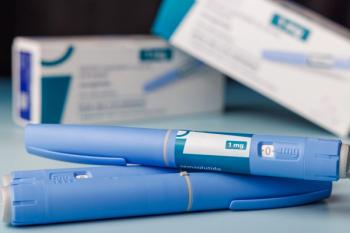
The misinformation is rampant, the adverse effect expectations are wildly off, and the patient psychology is complex.

The policy direction is clear, but the regulatory mechanics are still working their way through the system.

Hidden payer site-of-care restrictions delay specialty infusions, driving administrative burden and patient harm—and show why transparent criteria and better coordination matter.